

When Do Pitbull Puppies Stop Growing?
TrendReactTees.STORE TeamMany medium-sized pitbull-type puppies reach most of their adult height around 12 to 15 months. Their weight, muscle, and body shape may continue changing until roughly 15 to 18 months.
"Pitbull" can describe several breeds and mixes, so your puppy may follow a different schedule. A growth estimate is useful context, not a deadline your dog needs to meet.
While you're keeping up with puppy meals, vet visits, and the occasional stolen sock, you can make dog-parent life part of your wardrobe too. Our My Therapist Is A Dog Tee and Best Dog Mom Tee are ready for the assignment. First, let's look at what your puppy's growth can tell you.
This post may contain affiliate links. If you make a purchase through these links, I may earn a small commission at no extra cost to you.
Key Takeaways
- Many medium-sized pitbull-type dogs reach most of their adult height around 12 to 15 months.
- Weight and muscle can continue changing into roughly 15 to 18 months, even after height growth slows.
- Breed mix, parent size, health, and individual development all affect your puppy's growth schedule.
- Regular weight checks and veterinary body-condition assessments tell you more than a generic online chart.
- Complete puppy food, moderate activity, and rest support steady growth without pushing your dog to get bigger faster.
When Do Pitbull Puppies Stop Growing?
Your puppy's first birthday doesn't trigger an instant transformation into a fully developed adult. For many medium-sized pitbull-type dogs, height is close to its adult point around 12 to 15 months, while body composition can keep changing into roughly 15 to 18 months.
These are broad size-based estimates, not a proven schedule for every pitbull-type dog. A smaller or larger mix may develop on a different timeline.
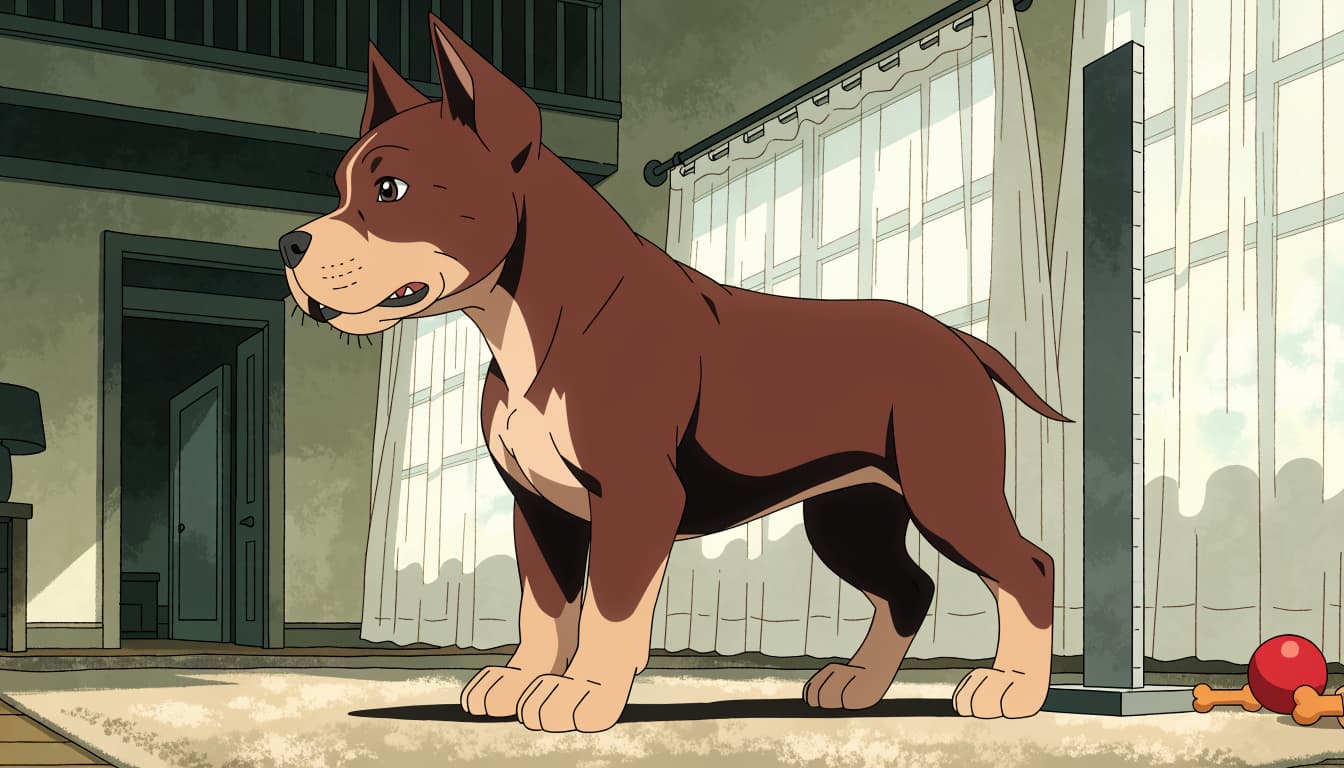
Height usually settles before weight and muscle
Your puppy may look nearly full height while still rocking the lanky teenage-dog build. Over time, its chest, muscle, and overall shape may change, even if its legs aren't getting noticeably longer.
Growth-plate closure, adult height, scale weight, and a mature appearance are different milestones. Growth plates are areas of developing tissue near the ends of bones. Their closure is one part of skeletal development, but you can't determine it by looking at your dog.
A lean appearance alone doesn't prove that something is wrong. Your veterinarian can help you distinguish a naturally youthful build from a body-condition concern.
A simple month-by-month growth guide
General estimates suggest a medium-sized dog may reach about two-thirds of its adult size at 6 months and around 85% by 9 months. By 12 to 15 months, many are close to adult size.
Treat those figures as context, not a guaranteed pitbull growth chart. They don't let you calculate your puppy's final weight with precision, and an individual dog may reach milestones earlier or later.
Growth also tends to slow after the rapid early months. A smaller change between weigh-ins doesn't automatically mean your puppy has stopped developing.
Why Your Pitbull Puppy May Grow on a Different Schedule
Your puppy didn't download a universal pitbull growth template. Its family background, expected adult size, and health all influence how it develops.
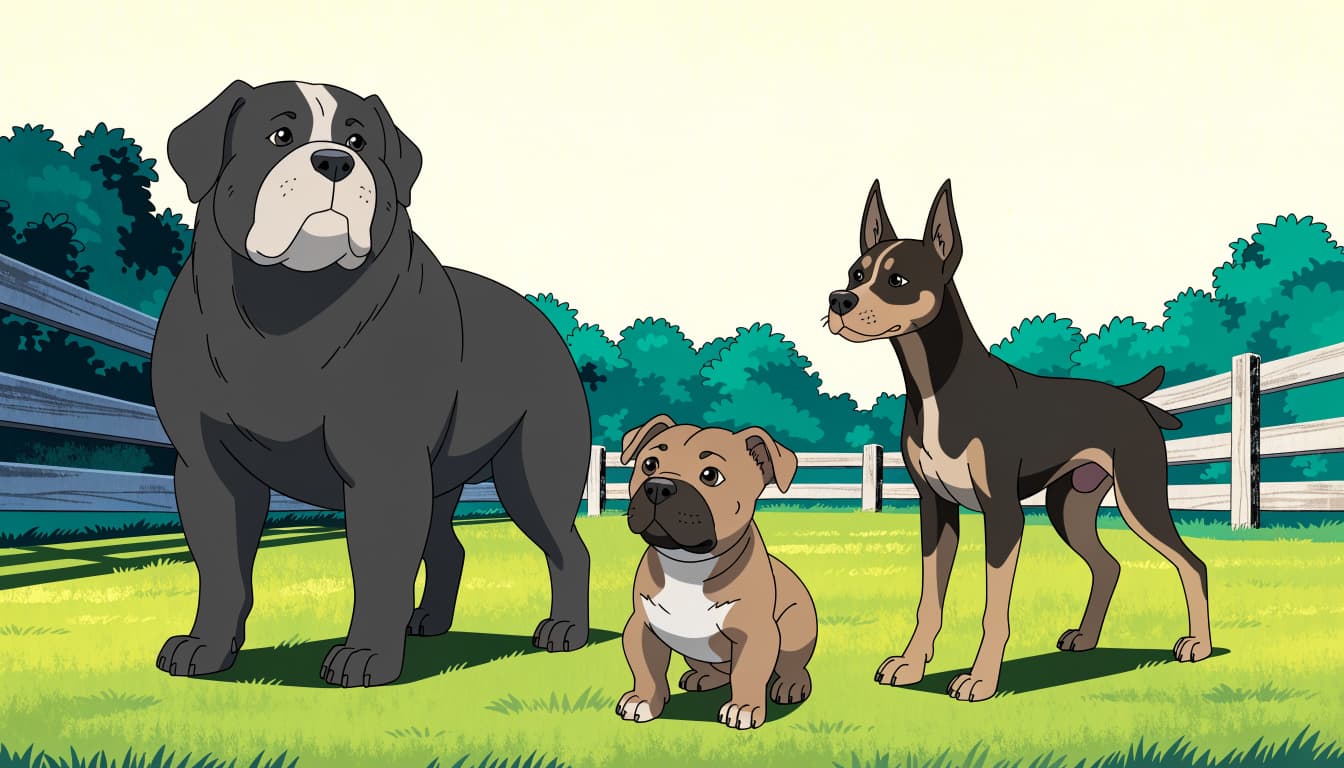
Breed mix, parents, and body size matter
"Pitbull" is a common label for several breeds and mixes, rather than one breed with a single adult size. Your dog might have an American Pit Bull Terrier background, another breed in the mix, or an ancestry that isn't clear.
If you know the parents, their adult size and build can offer useful clues. They still won't tell you exactly how your puppy will look or when it will finish growing. As this mixed-breed growth overview explains, both parents can affect a dog's eventual size.
That matters when you're comparing online charts. A weight range attached to a breed label is rough orientation, not a health target. Your puppy doesn't need to match a stranger's dog at nine months to be growing well.
Sex and individual health add more variation
Males may be heavier than females on average in some breed estimates, but that doesn't predict your individual puppy's adult weight. It also doesn't establish a universal rule that one sex grows for longer.
Health and nutrition can affect the growth pattern too. Illness, feeding difficulties, or an unsuitable diet may change how a puppy gains weight. Two puppies of the same age can look different and still need different care plans.
Bring your puppy's history to veterinary visits, including any information you have about its parents and food. Your vet can use that context alongside physical exams and repeated measurements.
How to Tell Whether Your Puppy Is Growing Well
The scale is useful, but it doesn't deliver a complete character profile. Follow your puppy's trend over time and pair it with veterinary checks and an assessment of body condition.
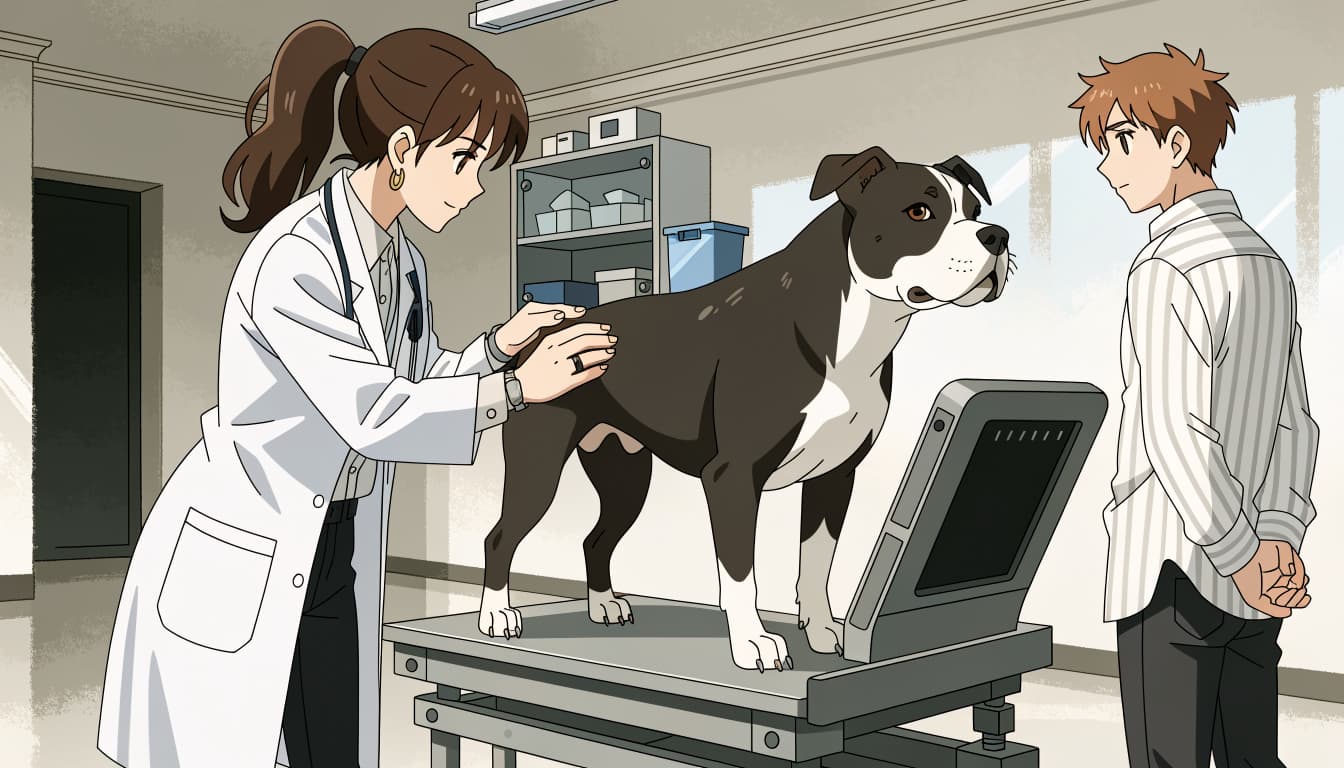
Track weight and body condition over time
Record your puppy's weight at regular intervals and bring those notes to appointments. Using the same scale when practical can make your records easier to compare. Your veterinary team can interpret the pattern alongside age, build, and health.
Body condition matters too. You should generally be able to feel your dog's ribs without pressing hard, while seeing a waist when viewed from above. Your veterinarian can show you how to assess your particular dog's shape.
A generic chart can't diagnose whether your puppy is too small, too large, or growing normally. This puppy growth chart overview describes the broad pattern of rapid early growth followed by a slower pace.
For a visual introduction to body-condition assessment, watch this demonstration from Purina Institute:
Know when a growth concern needs a vet visit
Contact your veterinarian if growth seems stalled or unusually fast, or if your puppy loses weight without an obvious explanation. Persistent limping, joint or bone pain, and reluctance to move also deserve veterinary attention.
Share when you first noticed the change and whether it appears after activity or rest. Your notes can help the vet assess what needs attention.
Don't try to fix a suspected growth problem with extra food, calcium, or supplements before getting professional guidance. A bigger serving isn't a substitute for finding the cause, no matter how persuasive your puppy's snack negotiations become.
Support Healthy Growth With Food, Exercise, and Rest
Your goal is steady development, not a speedrun to maximum muscle. A consistent routine gives your puppy room to grow while you and your veterinarian monitor its progress.
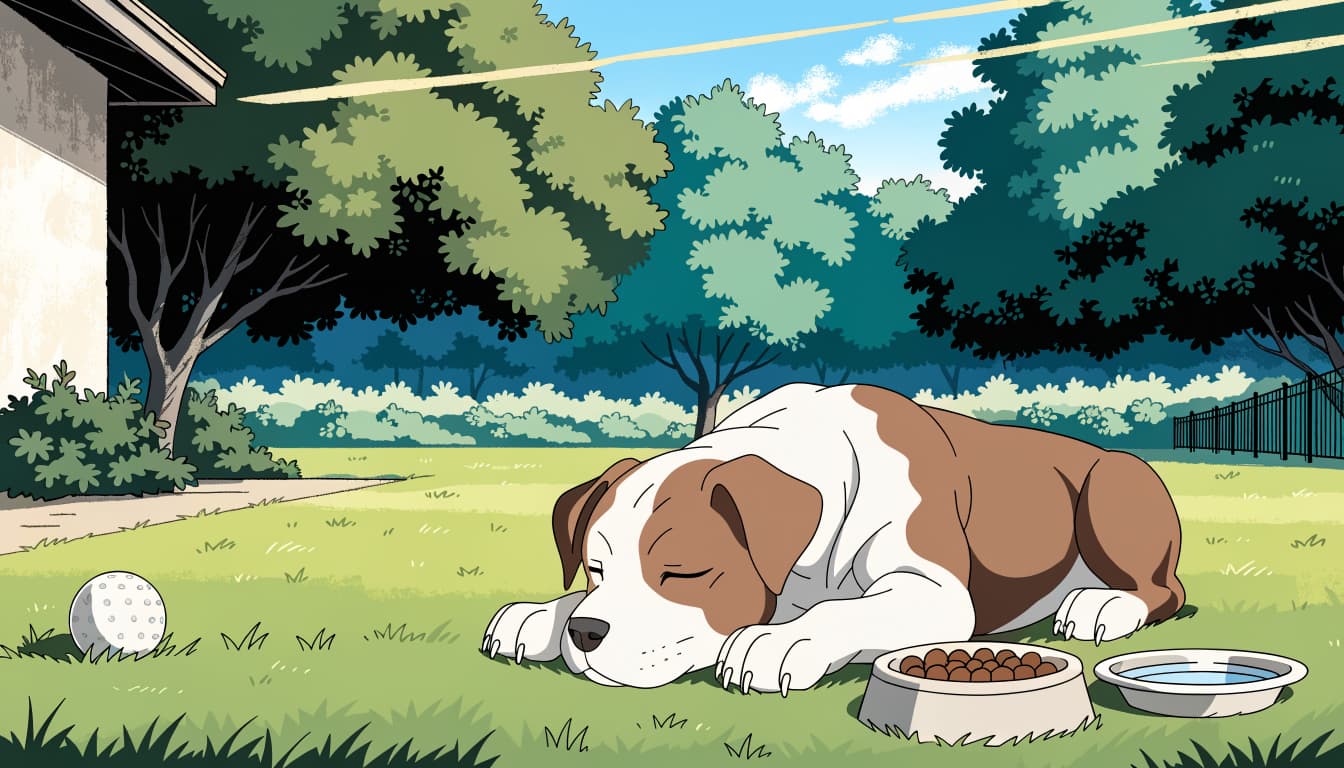
Feed for steady growth, not rapid weight gain
Choose a complete, balanced food appropriate for puppies, and measure portions rather than guessing. Your puppy's likely adult size matters when choosing a food, so discuss the choice and feeding amount with your veterinarian.
Count treats as part of daily intake. Excess weight can add strain to developing joints, and rapid weight gain isn't a shortcut to a healthier adult dog.
Ask your vet before adding supplements or making major diet changes. A veterinary supplement guide notes that puppies eating complete, balanced food generally don't need extra supplements.
Choose moderate activity while joints develop
Give your puppy regular, age-appropriate play and self-paced movement, with time to rest. A sniff-filled walk or gentle play session can fit into the day without turning exercise into a training montage.
Avoid forced running, repeated high jumps, hard twisting, and long strenuous sessions while bones and joints develop. Watch how your puppy moves and recovers afterward.
There's no single high-impact exercise cutoff that fits every dog. Ask your veterinarian before adding more demanding activity, particularly if your puppy is large-framed or has shown signs of discomfort.
Streetwear & Casual Styling
Puppy care has its own equipment list. Your outfit can handle the personality part.
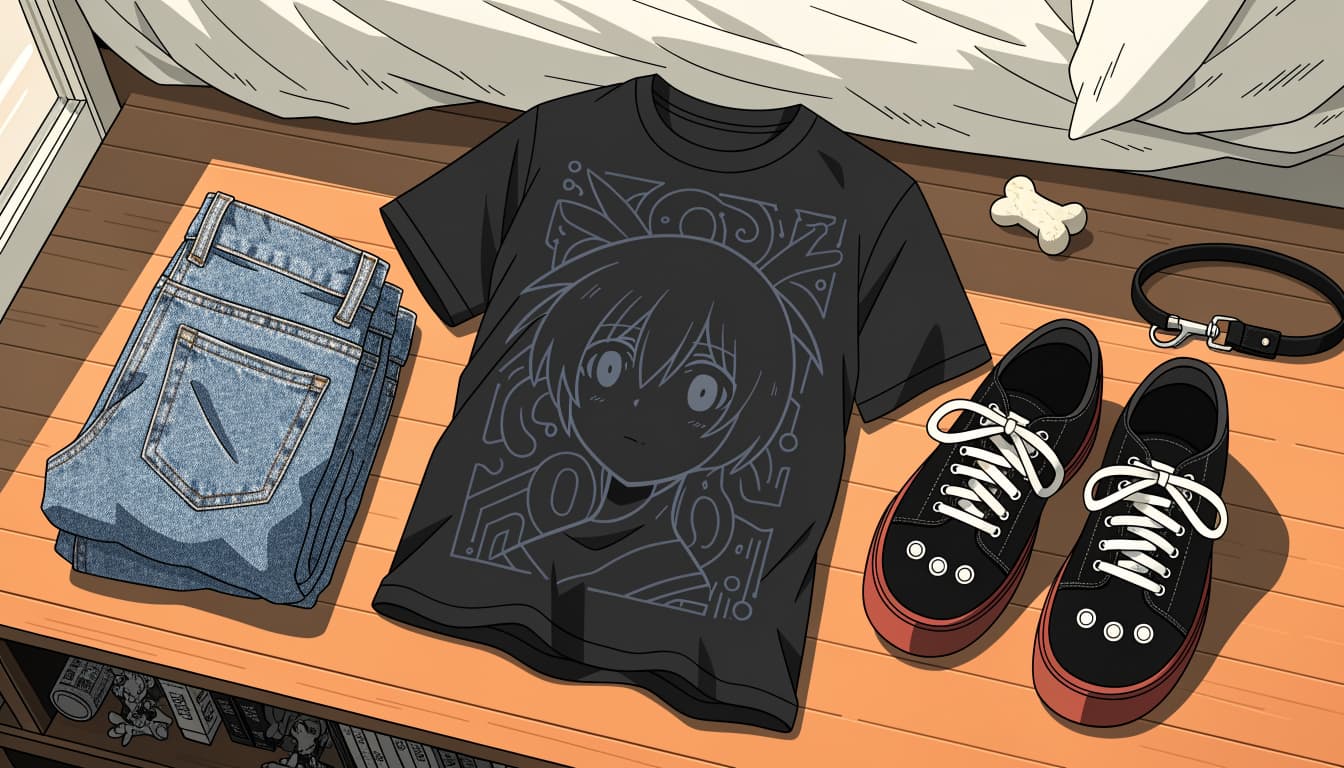
Pair our Dog Eats Custom Kibble Tee with relaxed jeans and skate shoes for a Cyber-Brutalist anime look. The If Dogs Could Use the Internet Tee works with a simple jacket when you want the graphic to do the talking.
Choose comfortable shoes for walks, and keep suitable dog gear separate from the outfit. Your puppy's leash has an actual job.
Frequently Asked Questions
Can a pitbull still gain weight after its first birthday?
Yes. Some dogs continue to gain muscle and body mass after their first birthday, even when most height growth has slowed. Your veterinarian can help you judge whether that change fits your dog's body condition rather than relying on the scale alone.
Do male pitbull puppies grow for longer than females?
There isn't a reliable age rule that applies to every male or female pitbull-type puppy. Your dog's expected adult size, family history, health, and individual development offer better context than sex alone.
Can you predict a pitbull puppy's adult weight?
You can make an estimate using parent size, breed mix, and repeated weight checks. No puppy-age calculation guarantees a final number, especially when ancestry is uncertain. Ask your veterinarian to interpret the growth trend alongside body condition.
Should you keep feeding puppy food until your dog is fully grown?
The right time to switch depends on your dog's age, expected adult size, and the food's directions. Ask your veterinarian when to change diets, especially if your puppy's growth or body condition is a concern.
Do large paws predict how big a puppy will get?
Paw size can be tempting to interpret, but it can't give you a precise adult weight or height. Parent measurements and your puppy's growth trend are more useful clues. Even those leave room for individual variation.
Does spaying or neutering mean a puppy has finished growing?
No. Spaying or neutering doesn't tell you that your puppy has reached adult height or finished developing. Discuss the timing with your veterinarian, who can consider your dog's size, health, and individual circumstances.
Give Your Puppy Time to Grow
Many medium-sized pitbull-type puppies reach most of their height around 12 to 15 months. Weight and body shape may continue changing into roughly 15 to 18 months.
Your dog's breed mix, parent size, health, and individual development all matter. Keep meals measured, activity appropriate, and veterinary check-ins on the calendar.
Your puppy doesn't need to match an online chart's idea of the perfect build. Pay attention to the dog in front of you, and let its growth trend guide the conversation with your vet.