

When Do Pitbull Puppies Stop Teething?
TrendReactTees.STORE TeamMost Pitbull puppies stop teething at around 6 to 7 months, though the timing varies. Veterinary sources use a general puppy timeline and don't establish a separate schedule for Pitbulls.
This post may contain affiliate links. If you make a purchase through these links, I may earn a small commission at no extra cost to you.
If your puppy has turned your living room into a chew-toy testing facility, you're not alone. You can wear your dog-parent status with the My Therapist Is A Dog Tee or the Dog Eats Custom Kibble Living On Ramen Tee.
Here's how to recognize normal teething, make chewing safer, and spot a reason to call your veterinarian.
Key Takeaways
- Most Pitbull puppies have their adult teeth by around 6 to 7 months, but individual timing varies.
- Baby teeth typically begin falling out around 12 weeks, with adult teeth appearing in stages.
- Chewing, drooling, and mild gum irritation can be part of teething. A tiny blood spot on a toy can happen too.
- Offer flexible puppy-safe chews under supervision, and avoid hard items that can fracture teeth.
- Contact your veterinarian about retained baby teeth, an abnormal bite, injury, or ongoing mouth pain.
When do pitbull puppies stop teething?
You can expect most Pitbull puppies to finish teething around 6 to 7 months, when their adult teeth have come in and their baby teeth have been shed. Think of that as a useful range, not a birthday deadline.
VCA Animal Hospitals describes a general puppy teething timeline. The same guidance applies when you're watching a Pitbull puppy's teeth develop; veterinary sources don't establish a different breed-specific schedule.
From baby teeth to a full adult set
Puppies are born without erupted teeth. Their baby teeth start coming through at about 3 weeks and are generally in place by around 6 weeks. A complete baby set has 28 teeth.
Those little teeth don't stick around for long. They can begin loosening and falling out around 12 weeks, while the transition to permanent teeth often gets underway between roughly 3½ and 5 months. You may notice gaps as the baby teeth disappear and adult teeth make their entrance.
How adult teeth come in
Permanent teeth arrive in stages rather than all at once. Incisors and canines generally appear earlier, with premolars and molars following as your puppy grows. An adult dog has 42 teeth, including molars that weren't part of the baby set.
You don't need to track every tooth like a limited-edition collectible. Get familiar with your puppy's mouth during calm moments, and bring up anything unusual at a veterinary visit. If a baby tooth remains beside an emerging adult tooth, call your veterinarian promptly.
How can you tell your puppy is teething?
Your puppy's interest in chewing can go into overdrive during teething. That enthusiasm is normal, even when your favorite shoes are suddenly the main target.
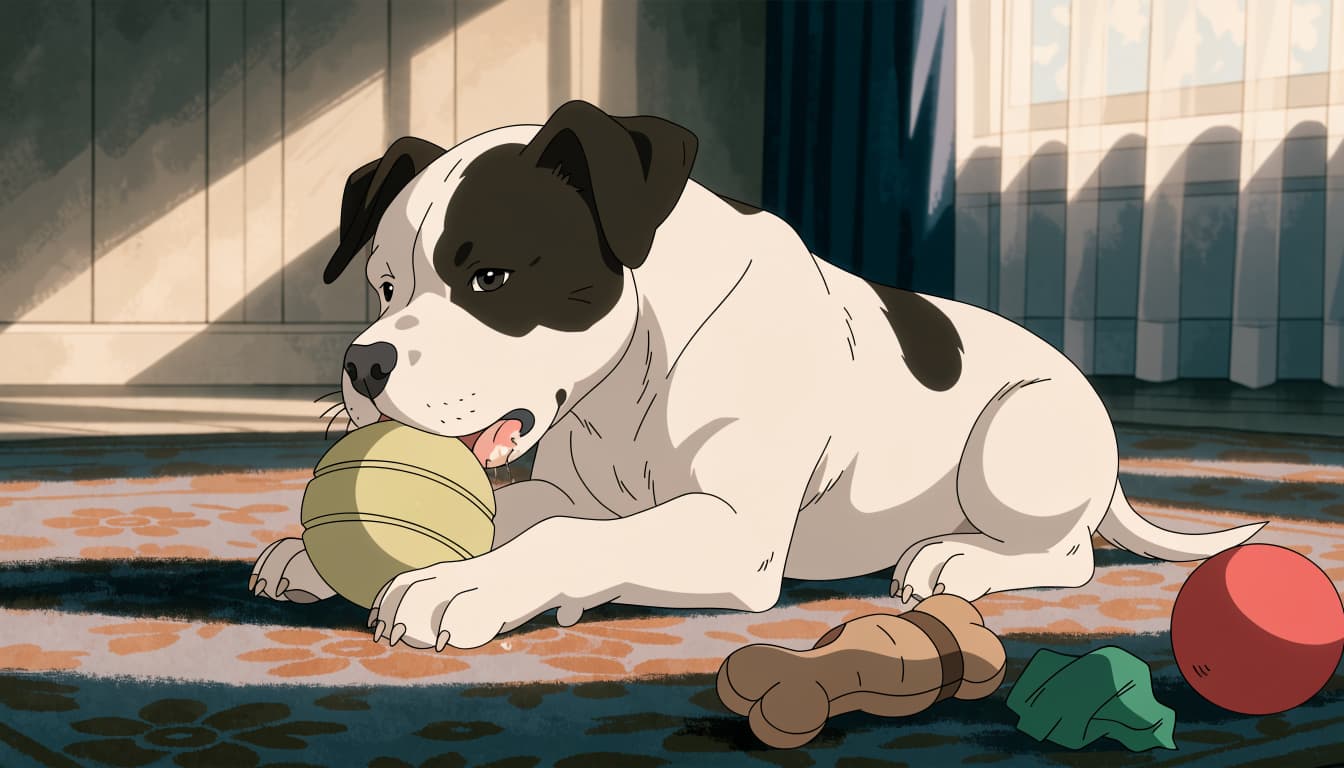
Chewing, drooling, and tender gums are common
You may notice more mouthing, extra drool, mildly irritated gums, or a puppy who's briefly fussier than usual. Tenderness can also make your puppy less enthusiastic about eating for a short time.
Keep suitable chew toys within reach so you can redirect chewing away from your hands, clothing, shoes, and furniture. Calmly offer the toy when your puppy grabs something off-limits, then give attention when they choose it.
Chewing is normal puppy behavior, so you may still see it after the teething stage. The goal is to give your puppy an appropriate outlet while protecting your fingers and your furniture.
When a loose tooth or sore mouth needs attention
You might find a tiny baby tooth on the floor, but you may never see one. Puppies often swallow shed teeth, and VCA describes that as common and harmless. A small trace of blood on a chew toy can also appear when a tooth falls out.
Look beyond the occasional spot, though. If you see a baby tooth beside an emerging adult tooth, notice an unusual bite, or suspect an oral injury, contact your veterinarian. Ongoing pain deserves a professional look too.
The American Kennel Club's puppy teething guide also describes how small teeth may turn up around your home during the transition.
How to help your Pitbull puppy through teething safely
Your puppy needs something satisfying to chew. Your job is to make sure that something is suitable, supervised, and not your phone charger.
Choose flexible puppy-safe chews and supervise
Look for a puppy-appropriate chew toy with some give. VCA suggests a toy that bends or can be indented with a fingernail. Ask your veterinarian which options suit your puppy's size and chewing habits.
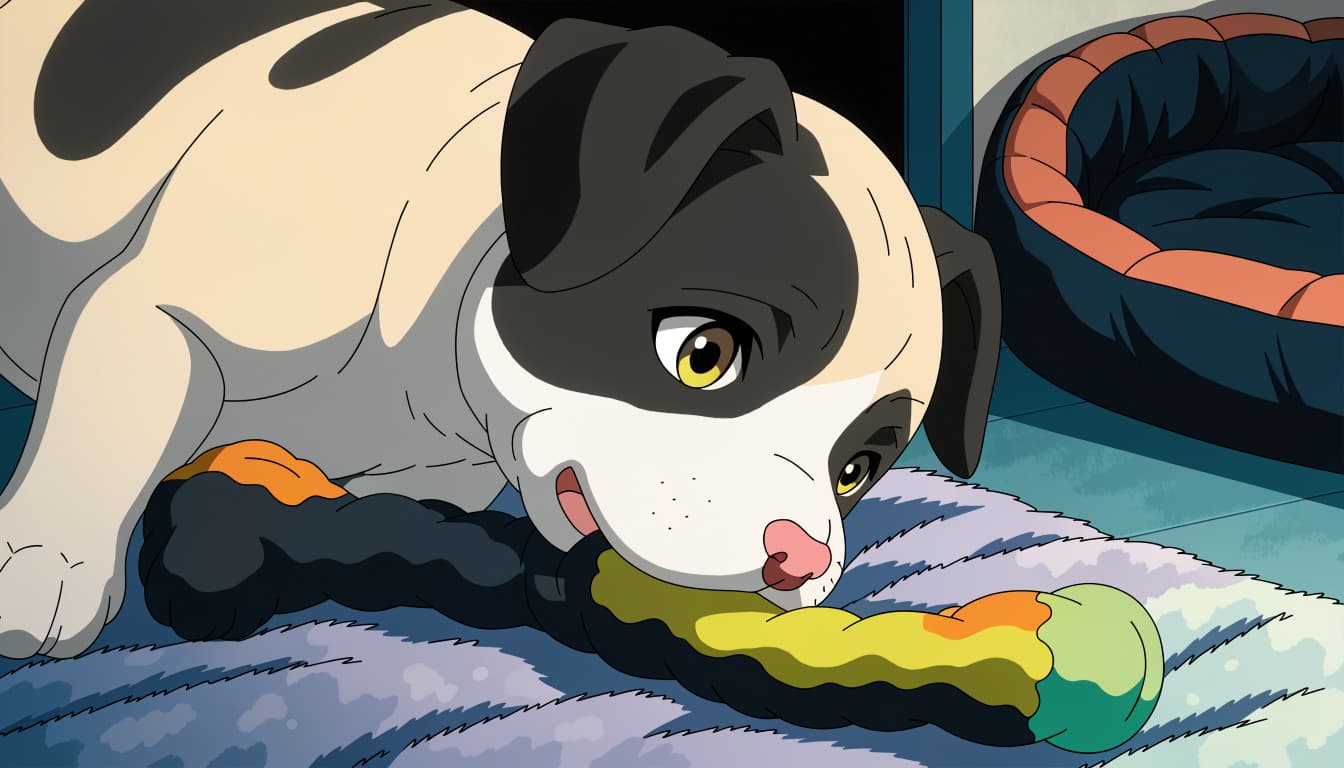
A suitable toy can also be chilled or frozen to help soothe tender gums. Follow the toy's instructions, and watch your puppy while they use it. Cooling a flexible toy is different from handing over an ice cube, which is hard enough to damage teeth.
Inspect toys for damage before and after chewing. Take a toy away if it breaks apart or pieces come loose. Swallowed pieces can create choking or intestinal blockage risks.
The VCA guide to puppy teething toys offers more guidance on choosing toys and supervising play. A chew can provide comfort, but it doesn't replace your attention or veterinary advice.
Skip hard chews that can damage teeth
Avoid bones, cow hooves, ice cubes, and hard nylon chews. These items can fracture teeth, including the adult teeth your puppy is working so hard to grow. Cooked and uncooked bones can also create risks if fragments are swallowed.
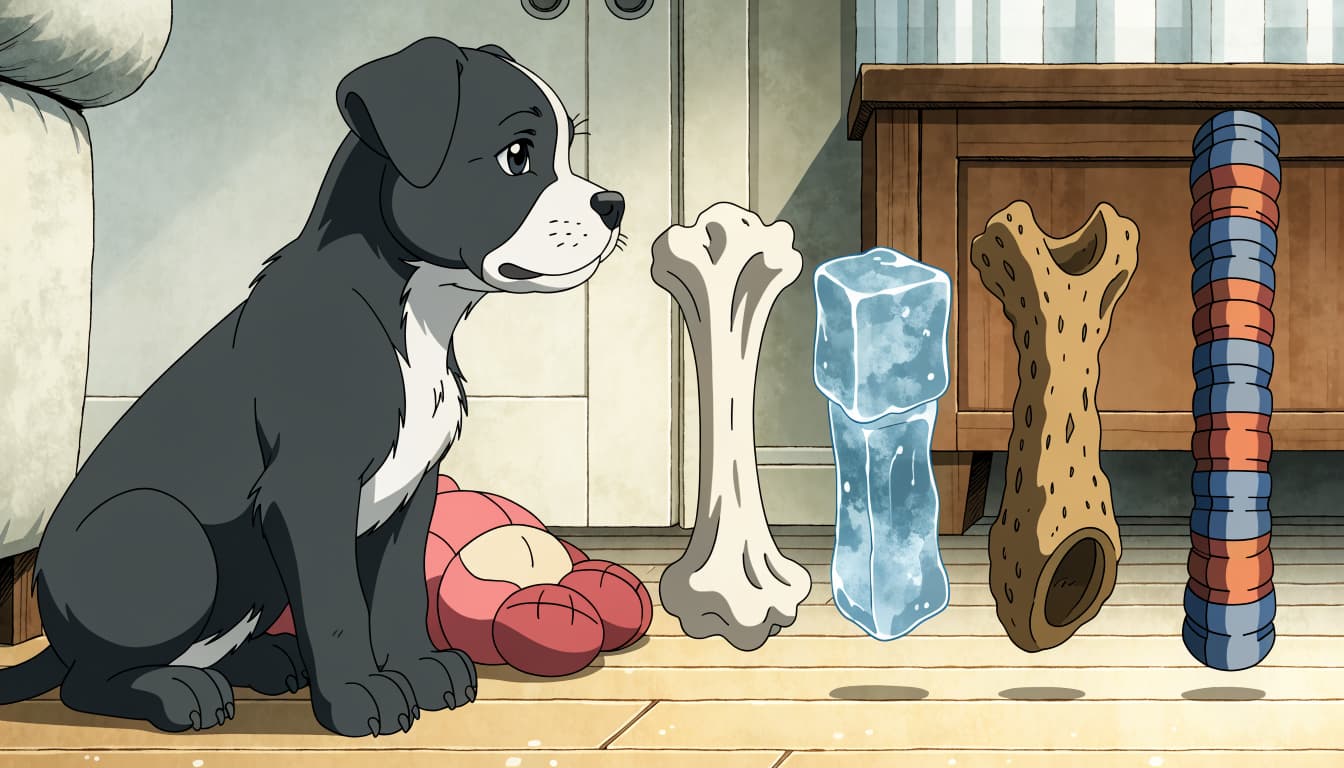
A toy advertised as tough isn't automatically safe for teeth. Your puppy needs a chew that holds up without being so hard that it risks damage. Check it regularly, and retire it when it starts to fall apart.
How do you know teething is over, and when should you call the vet?
Most puppies have their full adult set by around 6 to 7 months. The exact timing varies, so look at your puppy's mouth and comfort rather than waiting for one date on the calendar.
A puppy who still enjoys chewing hasn't necessarily got a dental problem. Pay attention to the teeth themselves, the way the mouth closes, and whether chewing seems comfortable.
Check for retained baby teeth as adult teeth appear
When your puppy is calm, gently lift the lip for a quick look. Avoid forcing the mouth open or turning the check into a wrestling match. If your puppy resists or seems uncomfortable, let your veterinarian examine the mouth.
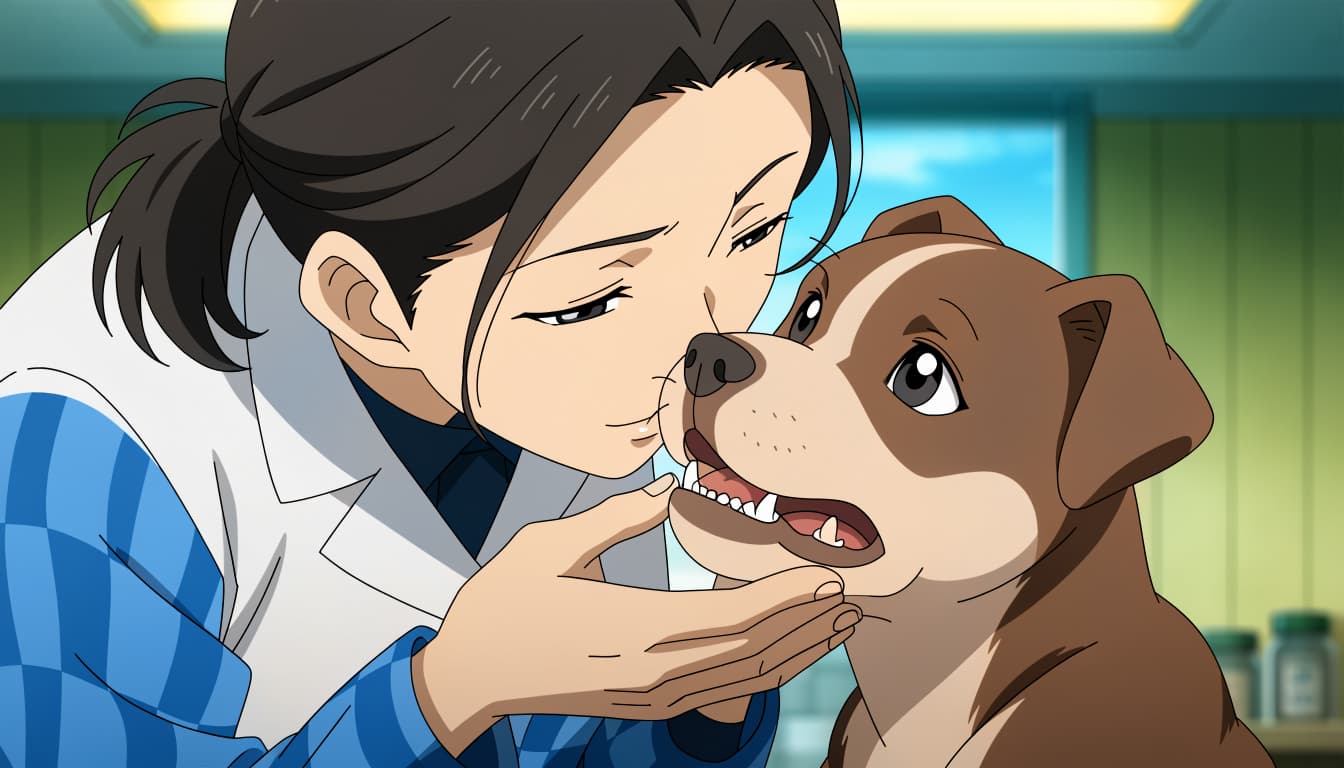
Contact your veterinarian promptly if a baby tooth remains alongside its adult successor. A retained tooth can crowd or redirect the permanent tooth and affect the gums or bite. VCA explains these concerns in its guidance on persistent baby teeth in dogs.
Ask your veterinarian about pain or bite changes
Arrange an examination if your puppy's bite looks misaligned, a tooth appears to contact another tooth or the gums unusually, or you suspect an injury. Pain that doesn't settle also deserves a call.
You don't need to diagnose the problem yourself. Tell your veterinarian what you've noticed, including any change in chewing or eating. That gives them useful context for examining your puppy's mouth.
Streetwear & Casual Styling
Puppy care and outfit choices are separate missions, but you can still bring some dog-parent personality to your everyday look.

Pair the Best Dog Mom Tee with relaxed jeans and sneakers for an easy walk-ready fit. Want a little more internet humor? Style the If They Could Use Internet We'd Be In Trouble Tee with dark cargo pants and a casual jacket.
Our Cyber-Brutalist Anime Graphic Tees let your outfit make the fandom-adjacent statement while you handle the actual puppy-parent duties.
Frequently Asked Questions
Do Pitbull puppies have baby molars?
No. Puppies have 28 baby teeth, but their baby set doesn't include molars. Molars arrive as part of the 42-tooth adult set, so you won't see a baby molar fall out first.
What should you do if you find a baby tooth?
You can pick it up and dispose of it, or save it if you're the sentimental type. Check that your puppy seems comfortable, but don't pull on another loose tooth. Let it come out naturally and ask your veterinarian about anything that concerns you.
Should you brush your puppy's teeth during teething?
You can introduce gentle toothbrushing as part of your puppy's routine, using toothpaste made for dogs. Start slowly when your puppy is relaxed, and ask your veterinarian for guidance if their mouth seems sore. Chew toys don't replace brushing or dental checks.
Can you soften your puppy's food during teething?
A sore mouth can make your puppy less eager to eat. Ask your veterinarian about suitable food adjustments if your puppy seems uncomfortable eating or the change continues. You shouldn't assume every appetite change is caused by teething.
A calmer teething phase for you and your puppy
Most Pitbull puppies finish teething around 6 to 7 months, with some variation in the timing. Your puppy may keep chewing after that, so a suitable outlet is still useful.
Offer flexible chews, supervise their use, and replace damaged toys. If you notice a retained baby tooth, an unusual bite, or ongoing pain, contact your veterinarian. Your puppy's teeth deserve better than a guess.