

When Do Puppies' Ears Stand Up? A Realistic Timeline
TrendReactTees.STORE TeamThere's no single age when every puppy's ears stand up. The timing depends on breed and individual development, and naturally floppy ears are completely normal for plenty of dogs.
If you're watching one ear perk up while the other stays folded, you're not necessarily looking at a problem. Breed traits and teething can both affect ear position as your puppy grows. For a little dog-parent outfit energy while you wait, our My Therapist Is A Dog Tee and If They Could Use Internet We'd Be In Trouble Tee keep the puppy fandom going.
This post may contain affiliate links. If you make a purchase through these links, I may earn a small commission at no extra cost to you.
Key Takeaways
- There's no universal age when puppy ears stand; breed and individual growth matter.
- German Shepherds and Yorkies can have different timelines, and examples aren't deadlines.
- Ear position may change during teething, often around 3 to 6 months.
- Don't tape ears or use supplements to change their shape without veterinary guidance.
- Odor, redness, discharge, pain, or repeated scratching call for a vet's advice.
When do puppies' ears stand up? A realistic timeline
In puppies whose adult ears are naturally erect, they often begin to rise during the first few months. Some ears lift gradually, some seem to pop up quickly, and some change position more than once. There's no universal deadline for every breed or puppy.
German Shepherd ears may begin rising anywhere around 8 to 24 weeks, with some taking longer. Yorkie ears often rise between 3 and 6 months, though individual timing varies. These are examples, not a promise that your puppy's ears will stand by a certain week or a veterinary cutoff.
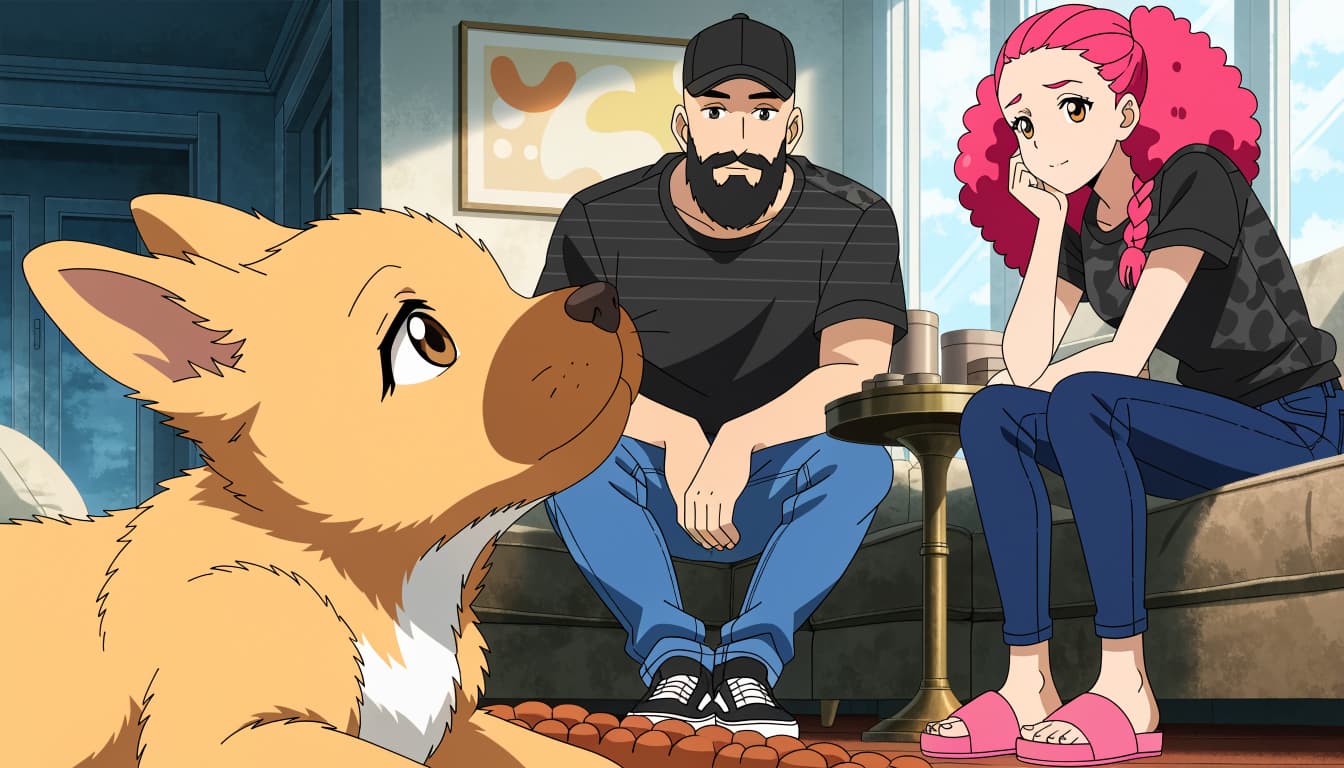
A puppy can also have one upright ear and one floppy ear for a while. That uneven look can shift as your dog matures. If your puppy's breed typically has hanging ears, those ears may stay that way into adulthood. The useful question isn't only "When will they stand?" It's also "What ear shape is normal for this breed?"
Why your puppy's breed and teething affect ear position
Adult ear shape is largely breed-dependent. Some breeds are known for erect ears, while others naturally have folded or hanging ears. In a mixed-breed puppy, the final look can be less predictable, because inherited traits don't arrive in neat little order forms.
Genetics, cartilage development, and individual growth all play a part in how an erect ear develops. Even puppies of the same breed can mature on different schedules. A sibling's ears standing early doesn't mean yours is behind, and one floppy ear doesn't settle the question of what your puppy will look like as an adult.
Teething commonly happens between 3 and 6 months, which overlaps with the period when many puppies' ears are changing. During that stretch, an ear that had started to lift may droop again, or one ear may stand before the other. The timing varies by puppy; temporary changes in posture alone don't prove anything is wrong or predict the final result.
Teething and ear changes can happen at the same time. That doesn't make a floppy ear, by itself, a diagnosis.
Your puppy's overall behavior and comfort matter more than a single ear position. If the ears change without other signs of discomfort, the shift may simply be part of growing up.
What you can do while your puppy's ears develop
Mostly, give it time. Handle your puppy gently during regular care, and avoid repeatedly bending, pulling, or testing the ears to see whether they'll stay up. You can notice changes as you pet or groom your dog, but there's no need to turn ear watching into a daily inspection quest.

Taping isn't routine puppy care. Skip DIY taping and don't give calcium supplements to try to change ear shape. If you have a breed-specific concern, ask your puppy's veterinarian and a reputable breed expert before trying any intervention. The right advice depends on your dog, not a random internet hack with a suspiciously confident caption.
The video below follows a White Swiss Shepherd puppy and offers a breed-specific anecdote about ear changes. Its observations aren't veterinary guidance, so treat it as one puppy's story rather than a timetable or instructions for your own dog.
When ear changes mean you should call your veterinarian
Ear position alone isn't the same as an ear problem. Repeated head shaking or scratching, a bad odor, redness, swelling, unusual discharge or dark debris, visible wounds, pain, or a head tilt are different. Those signs can point to irritation, injury, or infection, so contact your veterinarian promptly.
VCA Animal Hospitals advises veterinary care when ear-infection symptoms appear, since infections can worsen quickly. Its guidance on ear infections in dogs describes signs such as head shaking, scratching, redness, and discharge. If your puppy seems unwell along with ear symptoms, don't wait for an ear to change position before calling.
A floppy ear without other symptoms isn't automatically an emergency. If you're unsure what's typical for your puppy's breed, bring it up at a routine veterinary visit. Your vet can consider the whole dog, rather than grading one ear like it's taking a final exam.
Streetwear & Casual Styling
Puppy ears are a health-and-growth question. Your outfit is a separate side quest. For a casual look, pair one of our Cyber-Brutalist Anime Graphic Tees with relaxed jeans and skate shoes, then let the shirt carry the visual chaos. The Dog Eats Custom Kibble Living On Ramen Tee brings the dog-parent joke, while the Scream At Void My Human Understands Tee goes full husky energy.
Frequently Asked Questions
Is it normal for one puppy ear to stand before the other?
Yes. Uneven ear posture can happen as a puppy grows, and the ears may shift before settling. Watch for other symptoms, such as pain, odor, redness, discharge, or frequent scratching, rather than judging by posture alone.
Can teething make a puppy's ears droop again?
Some puppies' ears temporarily droop during the teething months, which commonly fall around 3 to 6 months. Timing differs by breed and individual, and a temporary change doesn't tell you exactly what the adult ears will look like.
Will my puppy's ears stay floppy forever?
You can't reliably predict the final ear shape from one stage of puppyhood. Breed traits and genetics offer clues, but individual outcomes vary, especially in mixed-breed dogs.
Should I tape my puppy's ears or give supplements?
Don't try DIY taping or supplements intended to change ear posture. Ask your veterinarian before attempting an intervention, and discuss any breed-specific concerns with a reputable breed expert.
Can floppy ears mean my puppy has an ear infection?
Ear posture alone can't diagnose an infection. Contact your veterinarian if you notice pain, odor, discharge, redness, swelling, frequent scratching, or repeated head shaking.
Let Your Puppy Grow at Their Own Pace
Puppy ear timing varies, breed expectations matter, and teething may overlap with temporary changes. A floppy ear on its own isn't a reason to panic, and unproven fixes aren't worth the gamble.
Keep an eye on your puppy's comfort, skip attempts to force an ear shape, and call your veterinarian if symptoms appear or you remain concerned. The ears can take their time; your job is to notice when the rest of your puppy needs help.