

When Do Yorkies Lose Their Puppy Coat?
TrendReactTees.STORE TeamYorkies don't lose their puppy coat in one sudden, predictable molt. Their coat changes gradually, and there's no confirmed age when every Yorkie finishes the transition.
If you're watching a tiny black-and-tan puppy grow up, you may notice color changes, a different-looking coat, and the occasional tangle. You can also celebrate your dog-parent status with our My Therapist Is A Dog Tee or If They Could Use the Internet We'd Be in Trouble Tee.
Here's what to watch for, how to keep grooming manageable, and when a coat change deserves a vet's attention.
This post may contain affiliate links. If you make a purchase through these links, I may earn a small commission at no extra cost to you.
Key Takeaways
- Your Yorkie's puppy coat changes gradually, with no single confirmed finish age for every dog.
- Black-and-tan puppy coloring can shift toward an adult steel-blue-and-tan appearance as your dog matures.
- Long coats often need brushing and combing daily or every other day to help prevent mats.
- Bald patches, worsening thinning, itching, and skin changes deserve veterinary attention.
- A shorter clip can make upkeep easier, but your grooming routine should fit your individual dog.
When Do Yorkies Lose Their Puppy Coat? What You Can Expect
Your Yorkie doesn't come with a coat-transition countdown timer. Puppy coloring and coat appearance change as your dog matures, but breed and veterinary sources don't establish one precise age when every Yorkie finishes.
The color change happens gradually
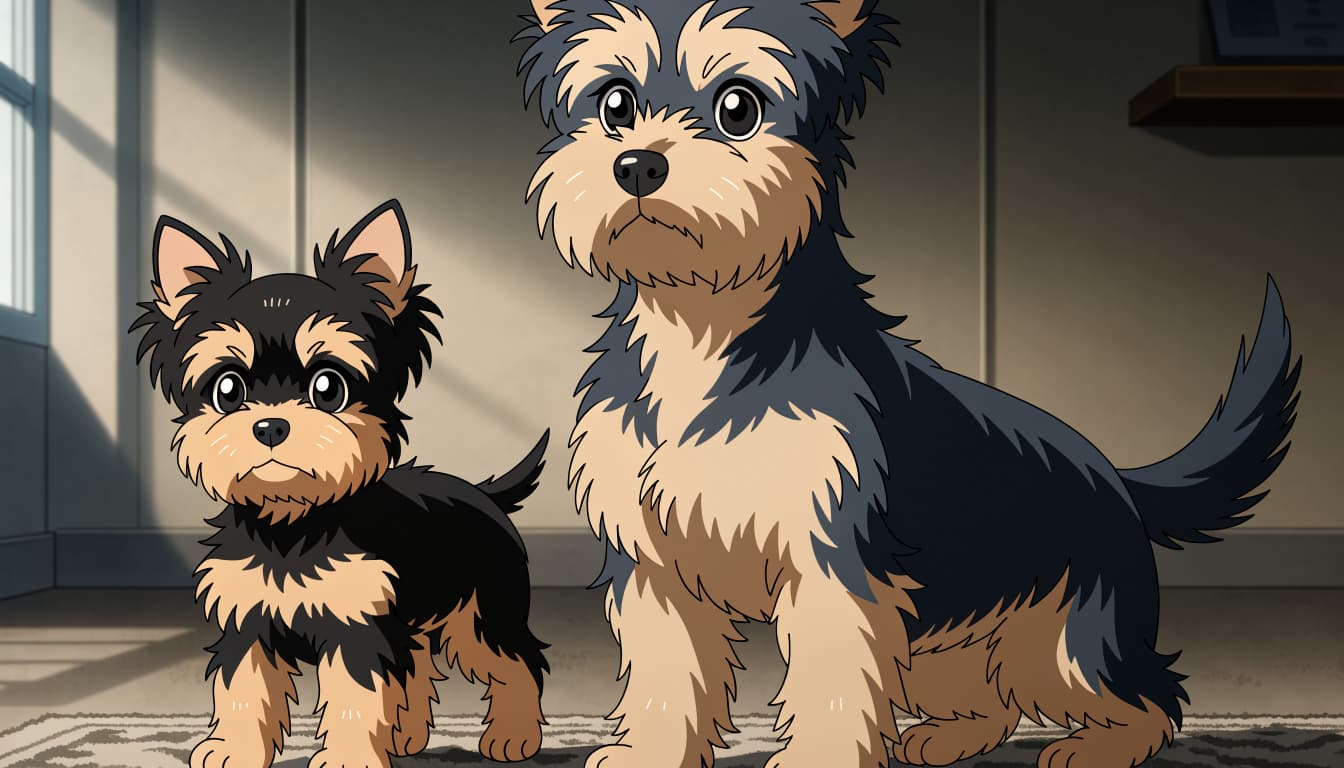
Young Yorkshire Terriers are typically black and tan. According to VCA Animal Hospitals' Yorkie guide, the black gradually changes to gray and then blue as the dog becomes an adult.
The adult appearance is commonly described as dark steel blue with tan points. The AKC's Yorkshire Terrier breed standard describes a long, straight blue-and-tan coat. That's a breed-standard description, not a deadline your puppy has to meet.
Your dog's timing is individual
The American Kennel Club's grooming guidance describes a broad adolescent coat transition between 6 and 18 months. That estimate isn't a promise that every Yorkie will finish changing in that window, and it doesn't establish a universal finish date for color.
Your dog's appearance may change at a different pace from another puppy's. A puppy photo taken months apart can help you notice gradual differences without inspecting the coat like it's a daily software update.
Keep your attention on the whole dog, too. A gradual shift in color is one thing; discomfort or obvious hair loss calls for a different response.
How to Spot the Change From a Yorkie Puppy Coat to an Adult Coat
The easiest clue is often the color you see across your Yorkie's back and body. You might notice the dark puppy coloring looking lighter over time, while the tan areas remain part of the picture.
Watch the coat, not the calendar
Take occasional photos in similar natural light if you're curious about the change. Lighting, hair length, and a fresh haircut can all affect how the coat looks in a picture, so compare over time rather than judging one snapshot.
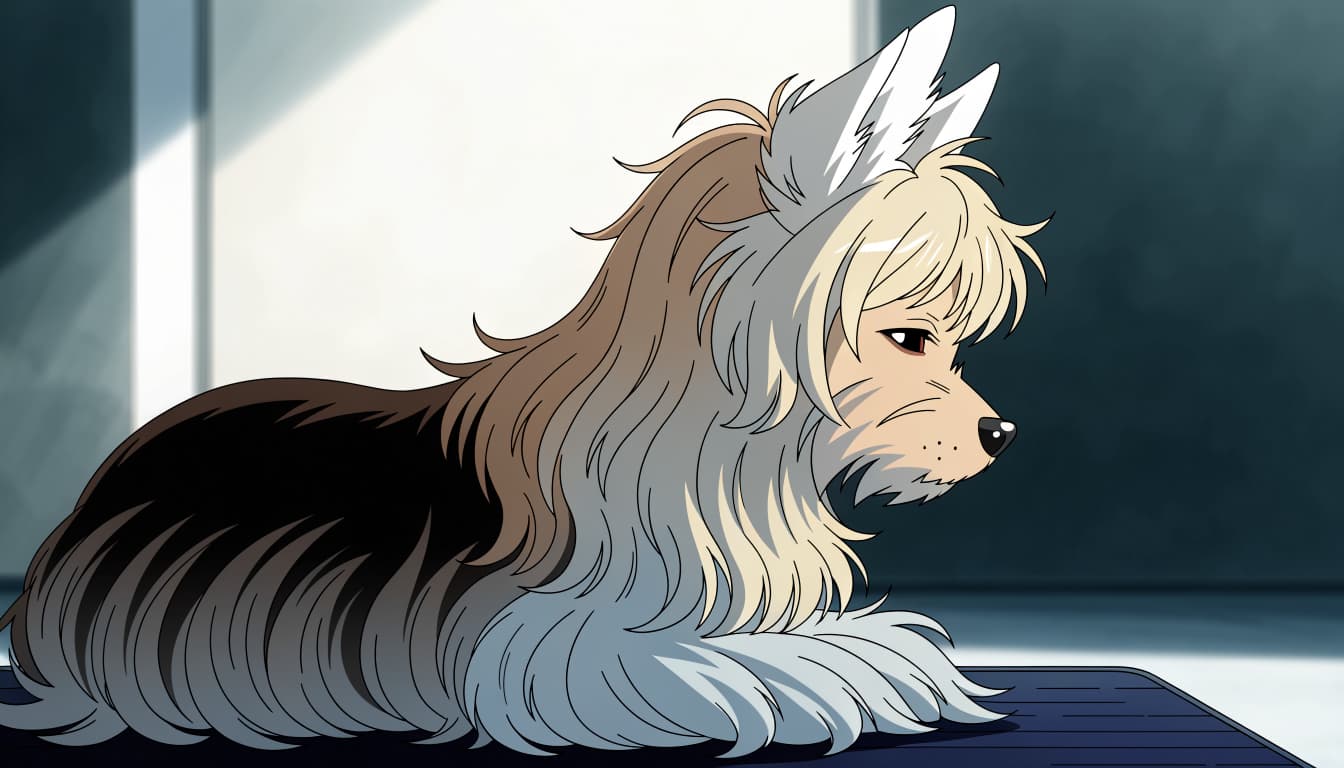
The Royal Kennel Club's breed description also describes black-and-tan puppies developing steel-blue-and-tan coloring with maturity. Your dog's eventual appearance may differ from another Yorkie's, even when both are healthy.
Texture and shedding aren't exact markers
Your puppy's coat may look different as it grows longer and develops. Adult Yorkie coats are described as silky, but there's less support for assigning a precise age to a texture change than for describing the gradual color shift.
You may find some loose hair during grooming. Yorkies aren't shed-free, and there's no reliable amount of transition shedding to promise for every dog. A brush full of hair also doesn't tell you, by itself, whether the coat is developing normally.
For a visual look at Yorkie coat changes, the video below covers color and common coat concerns. Treat any specific timeline as a general estimate, not a guarantee for your puppy.
A sudden bald spot, spreading thinning, or irritated skin deserves a call to your veterinarian rather than a spot on your puppy-coat calendar.
How to Groom Your Yorkie While the Coat Is Changing
A manageable routine beats a heroic detangling session after the coat has already knotted. For a longer coat, brushing and combing daily or every other day can help prevent mats.
Brush gently and check the trouble spots
Work in small sections and use a comb to check that you haven't left tangles beneath the surface. Pay attention behind the ears, under the legs, and wherever a harness or collar rubs. Those spots can collect knots while the top layer still looks perfectly presentable.
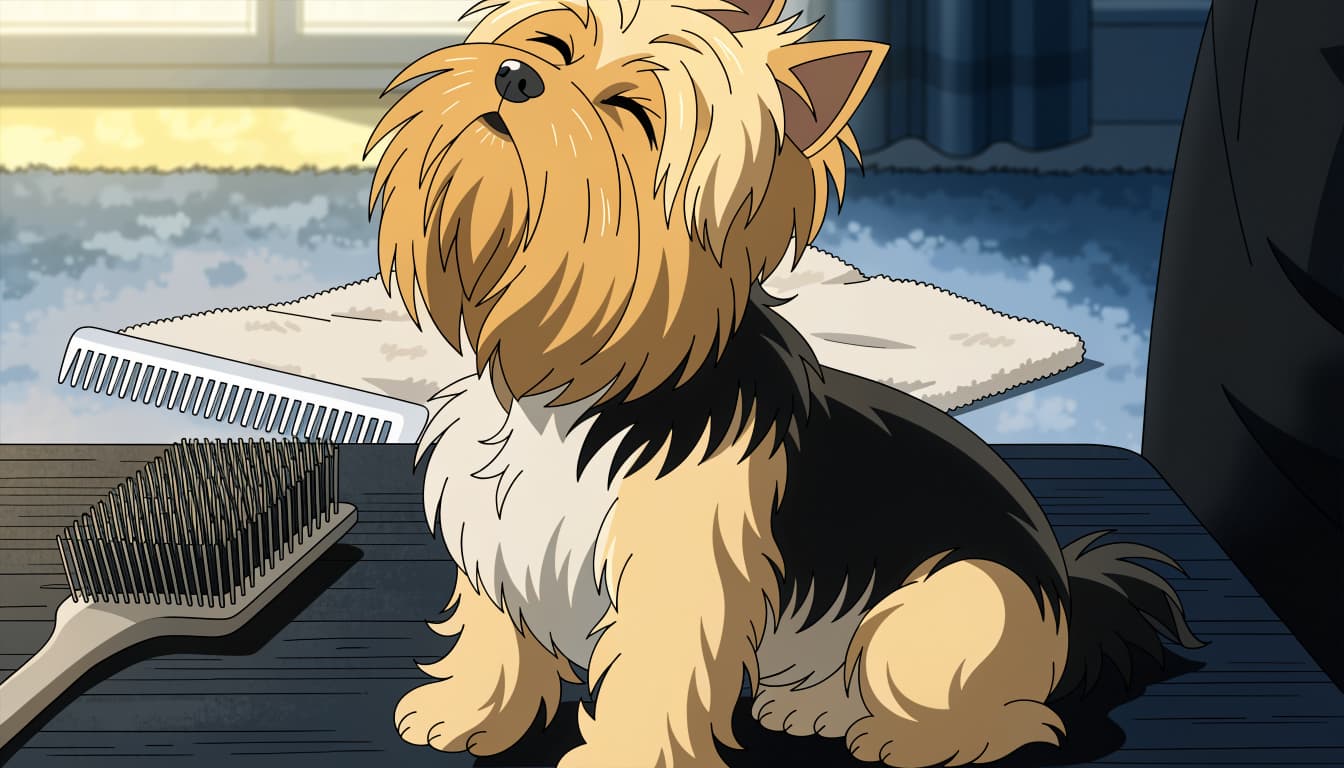
Keep sessions short if your puppy is learning to tolerate grooming. Praise calm behavior, take breaks, and avoid pulling through a stubborn mat. A qualified groomer can help with difficult tangles; scissors close to the skin can cause injury.
After muddy walks or a trip through vegetation, check for debris caught in the hair. Your routine can change with your dog's coat length and how quickly tangles form.
Keep bathing and trims practical
Use a dog-appropriate shampoo and bathe gently when your dog needs it. The AKC's Yorkie grooming advice gives different bathing schedules for pet trims and long show coats, so one schedule won't fit every dog.
Keep hair away from the eyes with a suitable trim or a comfortable topknot. Check the hair around the rear for trapped messes, too. Many owners choose professional grooming or a shorter clip to make daily care easier.
If irritation affects product choice or handling, ask your veterinarian for guidance. Have another terrier at home? Our Jack Russell coat-care guide compares the upkeep of rough and smooth coats.
When Hair Loss Is More Than a Normal Coat Change
A gradual color shift doesn't explain every change in your Yorkie's coat. If you notice a bald patch, worsening or widespread thinning, or unusual heavy shedding, contact your veterinarian.
The same applies when hair loss comes with itching, redness, scaling, changes in skin color or texture, pain, or other discomfort. Your puppy shouldn't have to wait for a supposed coat transition to pass before getting help.
Notice the pattern and progression
Hair loss is a sign with different possible causes, not a diagnosis you can make from a photo. Your veterinarian will consider where the hair is missing, how the change developed, and whether your dog is scratching or uncomfortable.
Make a note of when you first noticed the problem and whether it has spread. Photos can help show how the area has changed. Tell your veterinarian about grooming products, recent trims, and any other changes you've observed.
Don't pull, pick, or cover the problem
If an area looks sore, avoid aggressive brushing or trying a new product to hide it. Keep your normal handling gentle and follow your veterinarian's advice about bathing or grooming until your dog has been assessed.
There's room for curiosity about your Yorkie's adult look. Visible discomfort or progressive hair loss belongs in the vet's inbox, not in the "probably a growth phase" folder.
Streetwear & Casual Styling
Your Yorkie's grooming needs and your outfit are separate decisions. Once your dog is comfortable and ready for a walk, you can keep your own look easy.
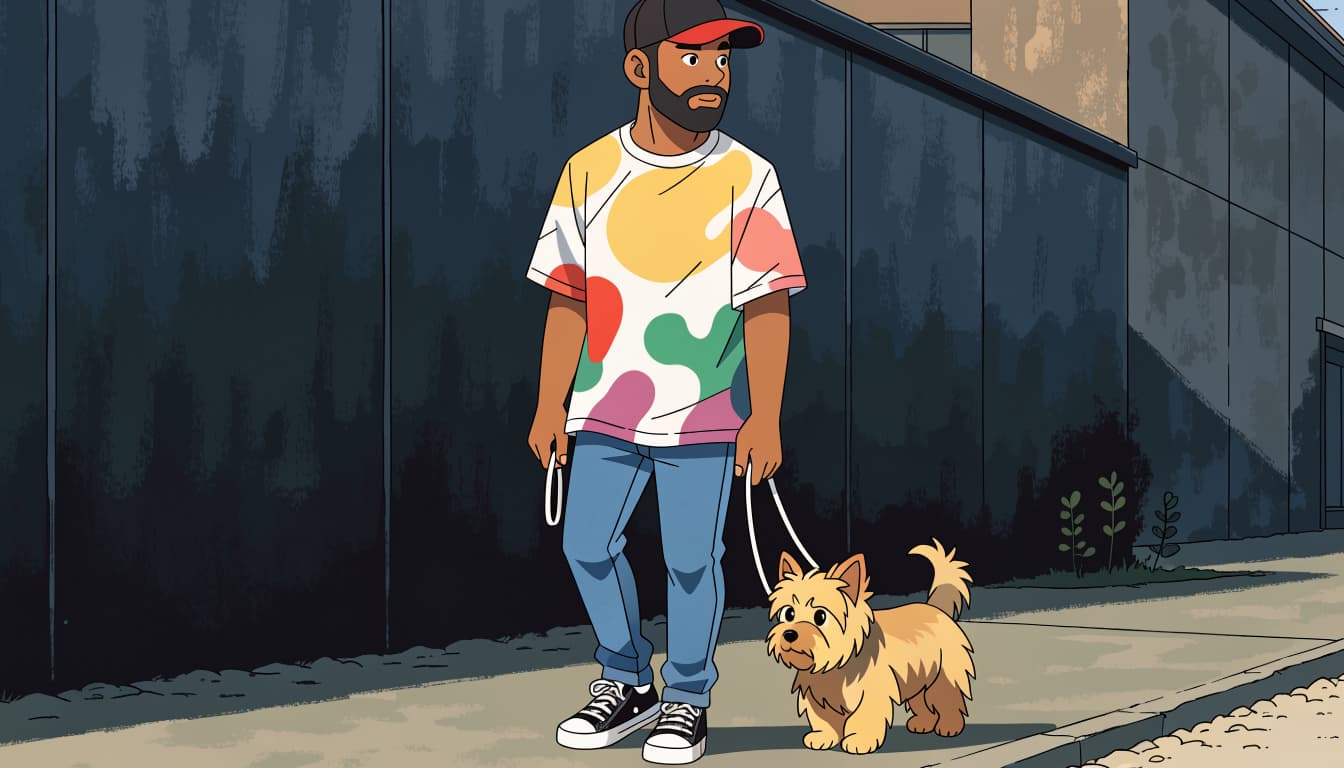
Start with one of our Cyber-Brutalist Anime Graphic Tees. The Dog Eats Custom Kibble Living On Ramen Tee brings dog-parent humor to a casual fit. The Scream At Void My Human Understands Tee takes a louder approach for anyone familiar with dramatic canine commentary.
Pair either tee with comfortable jeans or cargos and practical walking shoes. Add a light layer if the weather calls for it, and let the graphic do the talking. Your clothes are personal expression, not dog-care gear. Your Yorkie's leash, comfort, and attention still get priority.
Frequently Asked Questions
Do Yorkies shed their puppy coat all at once?
No. The coat changes gradually rather than following a predictable one-time molt. You shouldn't expect every Yorkie to go through the same visible shedding pattern.
Will my Yorkie's coat keep changing color?
Your puppy's black-and-tan coloring can gradually shift toward adult blue and tan as your dog matures. The timing and final appearance vary, so another Yorkie's photos won't predict your dog's exact result.
Does a Yorkie's coat change mean the dog is shedding too much?
A gradual change in color or coat appearance doesn't automatically mean excessive shedding. Bald spots, severe or worsening thinning, and skin symptoms deserve veterinary advice rather than an assumption that they're part of development.
How often should you brush a Yorkie during the coat transition?
A long coat often benefits from brushing and combing daily or every other day to reduce mats. Check friction areas and adjust the routine to your dog's coat length, comfort, and tendency to tangle.
Can you cut a Yorkie's coat short while it changes?
Yes. Many owners choose a shorter clip because it's easier to maintain. Ask a qualified groomer about a length and routine that suit your dog's coat and comfort.
Care for the Yorkie in Front of You
There's no single confirmed age when every Yorkie loses a puppy coat. The shift toward adult coloring happens gradually, and your dog's timing is individual.
Keep up a manageable grooming routine and pay attention to changes in the coat and skin. Contact your veterinarian if you see abnormal hair loss or signs of irritation.
Your puppy doesn't need to match an internet calendar. Your individual dog deserves care that fits.