

When Does Puppy Poop Become Solid?
TrendReactTees.STORE TeamThere isn't one age when every puppy's poop becomes solid. As your puppy grows, weaning, food changes, and health can all affect stool consistency.
You can learn a lot by watching the overall pattern, including your puppy's appetite and energy. If you're already wearing your Best Dog Mom Tee or our Dog Eats Custom Kibble Tee, welcome to the glamorous side of puppy parenthood.
Here's how to assess what's happening and when to call your veterinarian.
This post may contain affiliate links. If you make a purchase through these links, I may earn a small commission at no extra cost to you.
Key Takeaways
- There's no universal age when every puppy's stool becomes solid, so look at the pattern rather than a calendar.
- Formed stool is generally easier to pick up, but appearance alone can't tell you what's causing a change.
- Food changes, stress, medications, and parasites can all coincide with loose poop.
- Keep fresh water available and contact your veterinarian for persistent symptoms or concerns about a young puppy.
- Blood, black stool, vomiting, weakness, poor drinking, or abdominal pain call for urgent veterinary care.
When does puppy poop become solid? What you can expect
Your puppy's poop may change consistency as their diet and body develop. No reliable universal age guarantees that every puppy will have formed stool, so a birthday on the calendar isn't a diagnostic tool.
Weaning and food changes can affect stool
Puppies move through different feeding stages as they grow, including the transition away from milk. A change in food can coincide with a change in poop, but that doesn't establish how long loose stool should last or prove food is the cause.
If your puppy has joined your household, ask what they were eating before the move. That information gives your veterinarian a useful starting point if their stool changes after you bring them home.
Watch the puppy, not just the poop
Look at stool consistency alongside appetite, drinking, energy, and comfort. A puppy who eats, drinks, and plays normally gives you different information than one who seems weak or refuses water.
You don't need to panic over every softer deposit in the yard. You do need to take persistent changes seriously, particularly in a very young puppy. If you're unsure, call your veterinarian rather than trying to match your puppy to someone else's timeline.
Veterinarian Dr. Alex discusses puppy diarrhea and warning signs in the video below. Follow your own veterinarian's advice about your puppy's care.
How to tell whether your puppy's poop looks healthy
You don't need a stool analysis degree to notice a change. A quick look during cleanup can help you describe the situation clearly if you need veterinary advice.
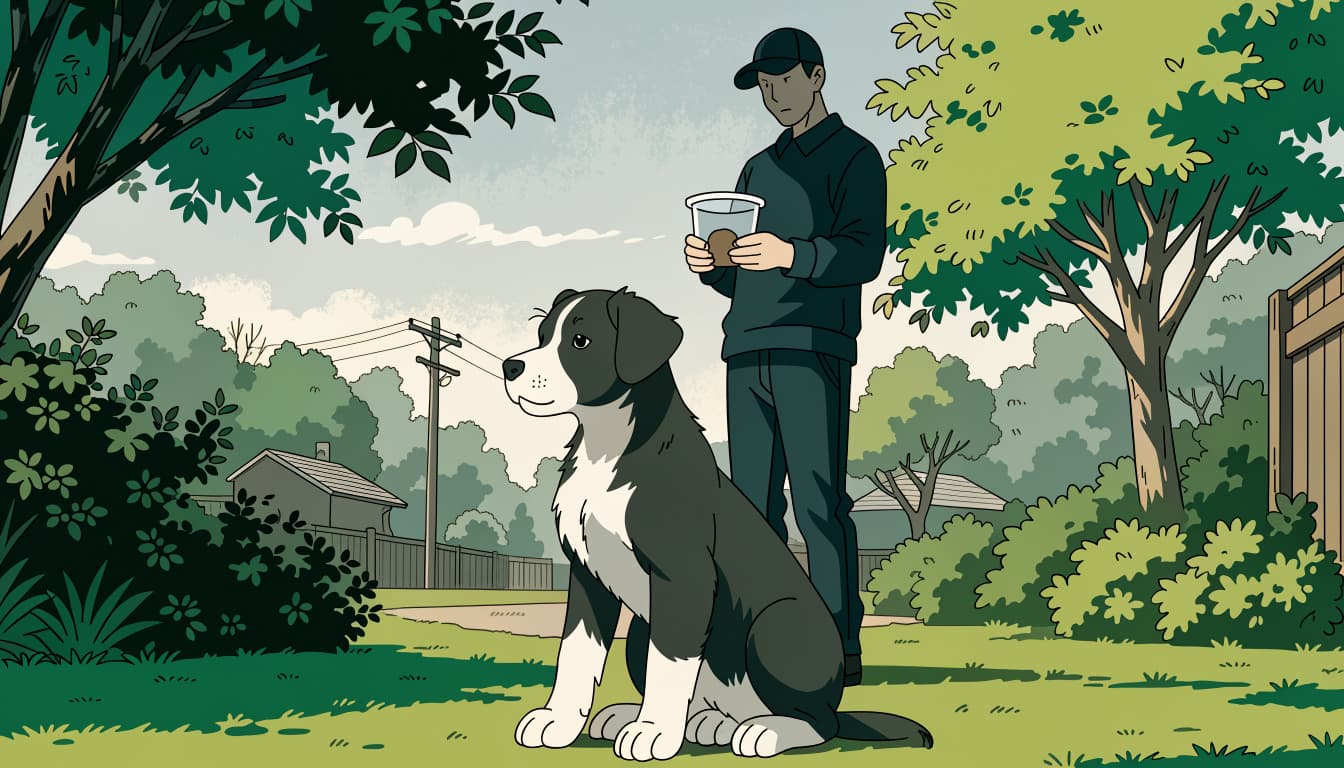
Look at consistency and comfort
Formed poop holds its shape and is usually easy to pick up. Softer poop may still have some shape, while watery diarrhea spreads and is harder to collect.
Notice whether the change is sudden or keeps happening. Pay attention to straining, apparent pain, an unusually foul smell, or blood. Those details matter more than whether one stool looks like the perfect textbook example.
The Merck Veterinary Manual's triage guidance distinguishes soft stool without pain, blood, foul smells, or straining from more concerning signs. Appearance alone still can't identify the cause.
Keep a useful record
Note how often your puppy poops and when you first noticed the change. If the consistency varies, write down whether it happens once or at several bathroom trips.
A photo can help you describe what you saw without relying on memory. Your veterinarian may also request a stool sample for testing. Ask the clinic how to collect and store it, and mention any food, treat, or medication changes when you call.
This isn't about becoming your puppy's full-time poop archivist. A few clear details can help your veterinarian decide what happens next.
Why your puppy's stool may stay soft
Several things can coincide with loose stool, and more than one may be relevant. Your puppy's recent routine gives you clues to share, not a guaranteed diagnosis.
Food, treats, stress, and medication
A new food or a sudden change in feeding can coincide with softer poop. New treats count too, even when they're offered by someone who swears your puppy deserved every single one.
Moving to a new home can also be stressful. New surroundings, unfamiliar people, and a different routine give your puppy plenty to process.
Medication is another detail worth mentioning. Tell your veterinarian what your puppy takes and when it was started, but don't stop a prescribed medication without asking for guidance.
Parasites need their own prevention plan
Intestinal parasites are one possible cause of loose stool. You can't rule them in or out by looking at poop, and deworming doesn't treat every cause of diarrhea.
The Companion Animal Parasite Council's general guidelines recommend deworming puppies beginning at 2 weeks of age, every 2 weeks until 2 months, and then monthly until 6 months.
CAPC's general guidance recommends fecal examinations two to four times in the first year, depending on health and lifestyle. Its hookworm guidance calls for testing at least four times in that first year. Your veterinarian can recommend an age-appropriate prevention and testing plan for your puppy.
Bring any records you received from the breeder, shelter, or previous caregiver to your appointment. Those details help your veterinarian understand what care your puppy has already received.
What you can do when your puppy has loose poop
Start with the basics: keep fresh water available, observe your puppy, and gather information. If your puppy is very young or the loose stool persists, contact your veterinarian for guidance.
Keep water available and food consistent
Diarrhea can cause fluid loss, so your puppy should have access to fresh water. Watch whether they actually drink, and seek urgent care if drinking drops off alongside diarrhea.
Avoid making another sudden food change in an attempt to fix the stool. If your veterinarian recommends a different diet, follow their instructions for your puppy. A food switch that worked for another dog online isn't a treatment plan for yours.
Skip human over-the-counter diarrhea medicine unless your veterinarian directs you to use it. The right treatment depends on the cause, your puppy's age, and their condition. Merck Animal Health's diarrhea guidance also advises against giving human diarrhea medicine without veterinary direction.
Make the call useful
Tell the clinic when the loose stool began, how often it occurs, and whether your puppy is eating, drinking, and acting normally. Mention new foods, treats, medications, and any known parasite treatment.
Ask whether the clinic wants a stool sample and whether your puppy needs to be seen. If symptoms worsen while you're waiting for advice, contact the clinic again or seek urgent care. Your puppy doesn't need to complete a waiting period before getting help.
Know when diarrhea needs prompt veterinary care
A brief episode of softer stool without other symptoms may not be an emergency. Persistent loose stool deserves veterinary advice, and a very young puppy may need help sooner.
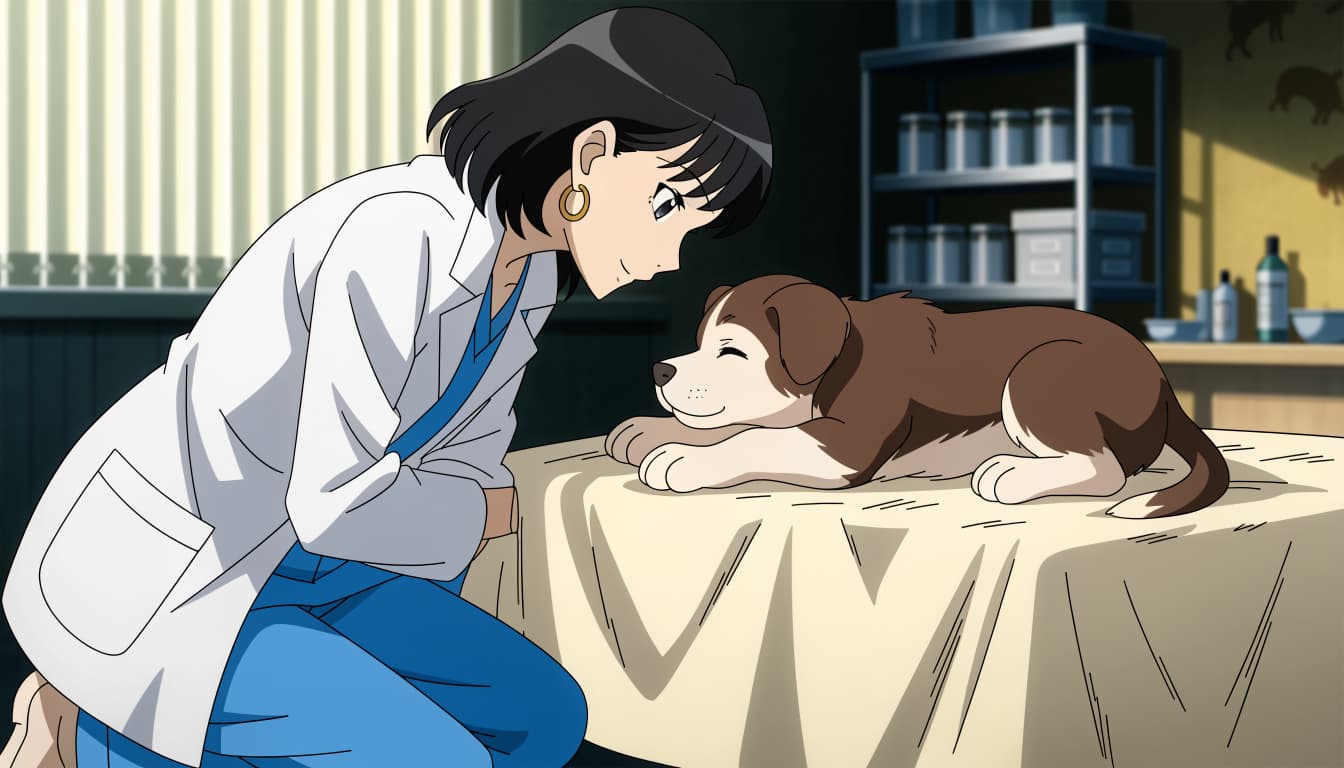
Recognize the warning signs
Seek urgent veterinary care for blood, black stool, foul-smelling or uncontrollable diarrhea, vomiting, poor drinking, weakness, marked lethargy, or abdominal pain. Don't wait for the next bathroom trip if your puppy is getting worse.
Fluid loss can lead to dehydration, especially when your puppy can't drink enough to replace it. Cornell's canine diarrhea guidance also flags black stool, vomiting, lethargy, and loss of appetite as reasons to contact a veterinarian.
General guidance for adult dogs isn't a guarantee that waiting is safe for a young puppy. When you call, describe the symptoms clearly and follow the clinic's direction about where to go.
Streetwear & Casual Styling
Once your puppy's care plan is sorted, you can return to a lighter part of dog-parent life: wearing your personality outside the house.
Pair our Scream At Void My Human Understands Tee with relaxed jeans and sneakers for a casual look with Cyber-Brutalist Anime energy. Prefer a tech joke? Style the If They Could Use Internet Tee with dark joggers and a simple jacket. Your puppy supplies the chaos; your outfit supplies the commentary.
Frequently Asked Questions
Can a puppy have soft poop while switching foods?
Yes. A food change can coincide with loose stool, but it doesn't prove the new food is responsible. If symptoms persist or worsen, talk with your veterinarian rather than assuming your puppy needs more time to adjust.
Is soft puppy poop always an emergency?
Soft stool alone isn't always an emergency. Contact your veterinarian if it persists, and seek urgent care for signs such as blood, vomiting, weakness, or poor drinking. Be especially cautious with a very young puppy.
Should you give your puppy human diarrhea medicine?
Don't give human diarrhea medicine unless your veterinarian specifically directs you to use it. Your puppy's age, condition, and the cause of the diarrhea all matter when choosing treatment.
Can worms cause loose stool in puppies?
Yes. Worms and other intestinal parasites are possible causes, though loose stool doesn't confirm that your puppy has them. Your veterinarian can advise you on fecal testing and age-appropriate deworming.
Keep Your Puppy's Pattern in View
There's no single age when every puppy's poop becomes solid. Your puppy's appetite, energy, drinking, and recent routine offer useful context alongside what you see during cleanup.
Track changes without assuming you know the cause. If loose stool persists or warning signs appear, a call to your veterinarian is the right next step.