

Why Does My German Shepherd Puppy Bite Me?
TrendReactTees.STORE TeamYour German Shepherd puppy may bite your hands, clothes, or ankles because puppies explore and play with their mouths. That tiny set of teeth can feel like a personal attack, but playful mouthing is common and doesn't automatically mean aggression.
This post may contain affiliate links. If you make a purchase through these links, I may earn a small commission at no extra cost to you.
Before your My Therapist Is A Dog Tee or Dog Eats Custom Kibble Living On Ramen Tee becomes the main character in a tug-of-war, give your puppy a better way to play.
Understanding what sets off the nipping helps you respond calmly, protect your sleeves, and spot behavior that deserves professional attention.
Key Takeaways
- Puppy mouthing often happens during play and exploration. Teething can add a separate urge to chew.
- Teeth on skin are your cue to pause interaction, then offer a suitable toy when your puppy is ready.
- Reward gentle play and calm behavior. Skip yelling, hitting, and other punishments that can increase fear or excitement.
- Rest, supervised chewing, and gradual socialization can make your daily routine easier.
- Contact your veterinarian if biting seems painful, intense, fear-driven, or suddenly different.
Why Does My German Shepherd Puppy Bite Me?
Puppies use their mouths to investigate objects, interact with people, and figure out how hard they can bite. Your German Shepherd isn't unusual for trying these moves on you, even if your ankles disagree.
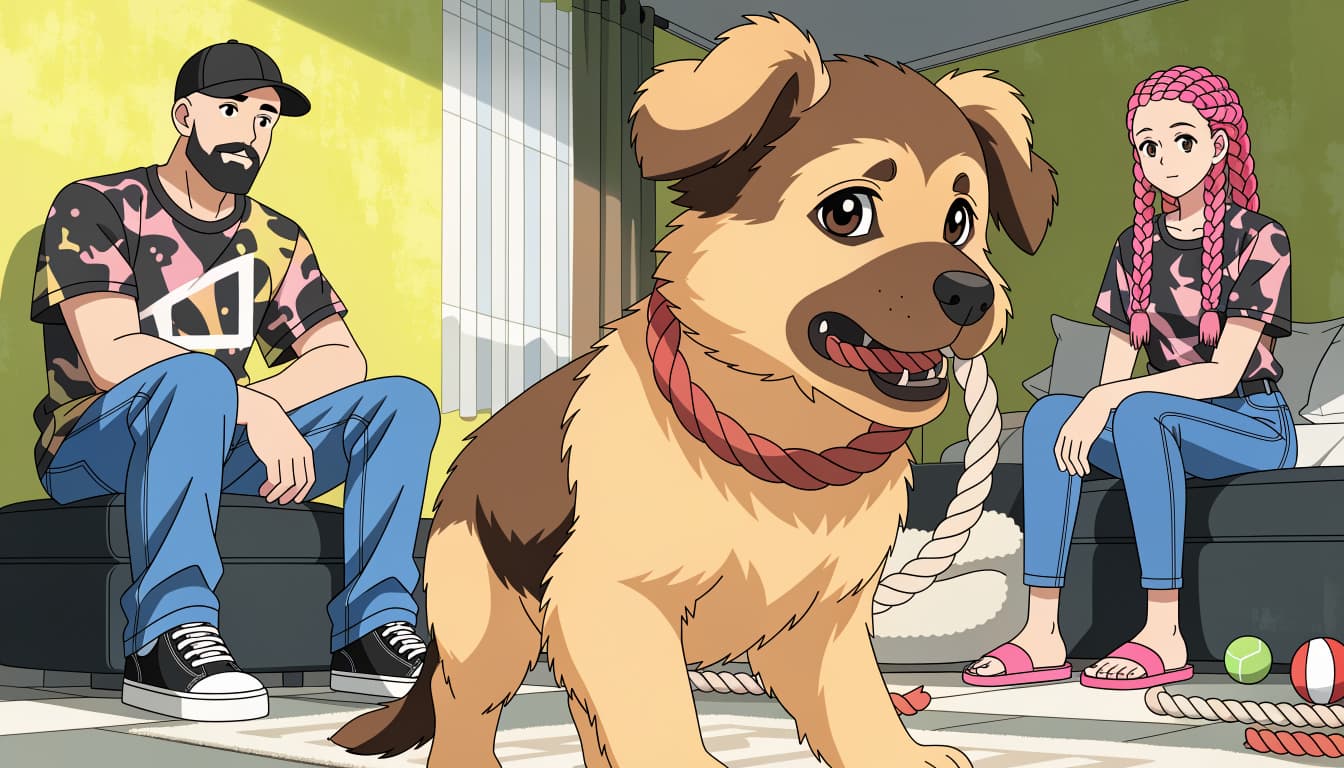
Play, excitement, and learning bite control
A moving hand or bouncing pant leg can look like an invitation to play. When your puppy gets excited, those little teeth may make contact before your puppy has learned how to control their pressure.
This skill is called bite inhibition. Puppies begin learning it through interactions with other puppies, and they need continued guidance around people.
If you wave your fingers in front of your puppy or wrestle with bare hands, you can accidentally teach that human skin is part of the game. Give your puppy a toy to chase or carry instead. Your hands can deliver praise and treats without doubling as chew content.
Teething can add chewing, but it is not the only cause
Sore gums can make chewing appealing, so you may notice your puppy gnawing on toys or household objects. A suitable chew can give your puppy an appropriate outlet.
Biting at your hands during an energetic game may have more to do with play than sore gums. Pay attention to when it happens rather than treating every nip as a teething problem. A chew toy is useful, but it won't replace teaching your puppy how to interact with people.
How to Tell Normal Puppy Mouthing From a Warning Sign
The presence of teeth doesn't tell you the whole story. Look at the situation, your puppy's body language, and what happens once the interaction stops.
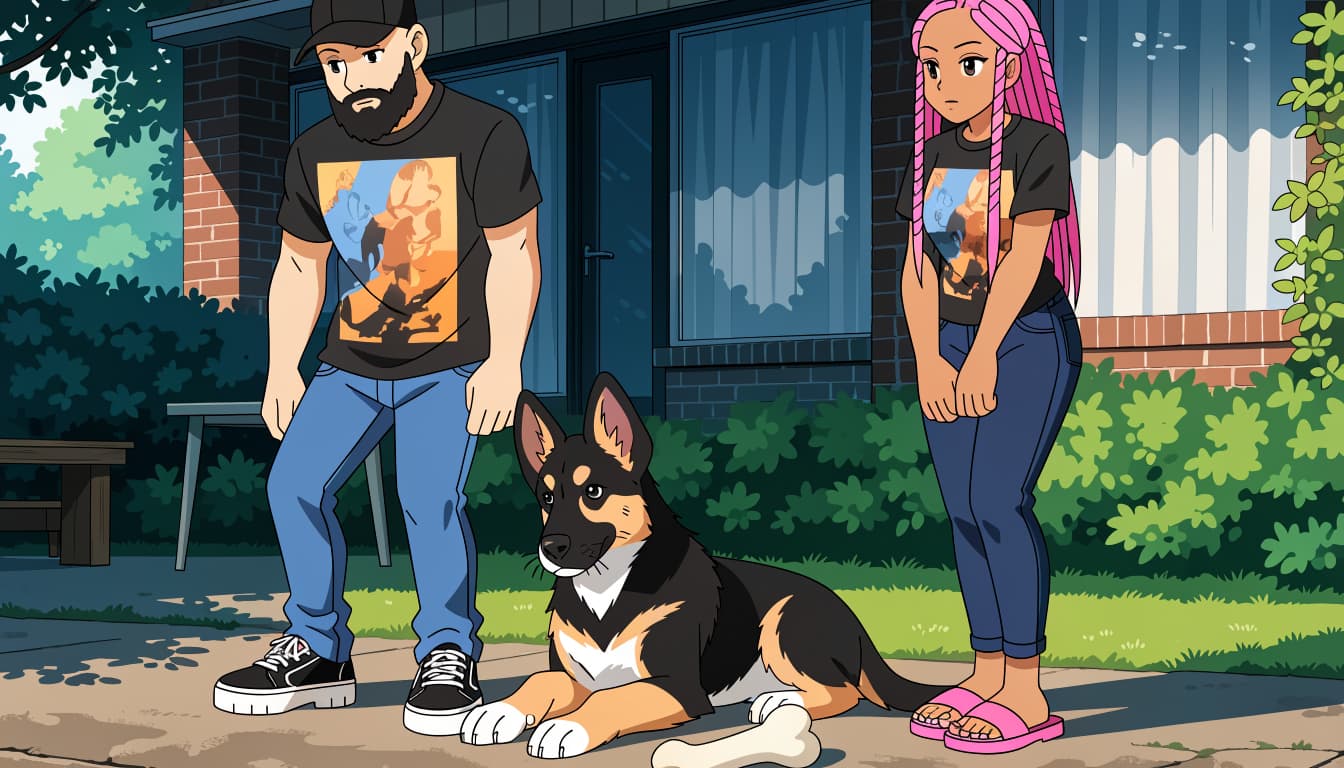
Notice what happens before and after the bite
Does your puppy nip during a lively game? Does it happen when you're trying to pick them up, when they're tired, or after a sudden noise? Those details can help you adjust the situation.
You might notice that the ankle attacks appear when play runs long or when your puppy is startled awake. Write down what happened before the bite and whether your puppy settled afterward.
A pattern gives your veterinarian or trainer useful information. It also helps you avoid sticking an "aggressive" label on a puppy based on one moment.
When fear, pain, or intense biting needs attention
Repeated avoidance, distress, or a sudden behavior change deserves a conversation with your veterinarian. The same goes for a puppy who seems uncomfortable when you touch a particular area or resists handling that was previously fine.
If biting is severe, appears defensive, or leaves you worried about someone's safety, get prompt professional help. Give your puppy space while you arrange support, and avoid forcing the interaction that triggered the response.
What to Do When Your German Shepherd Puppy Bites
Your response doesn't need dramatic sound effects. A calm pause and a clear alternative can teach your puppy more than a full-volume reaction.
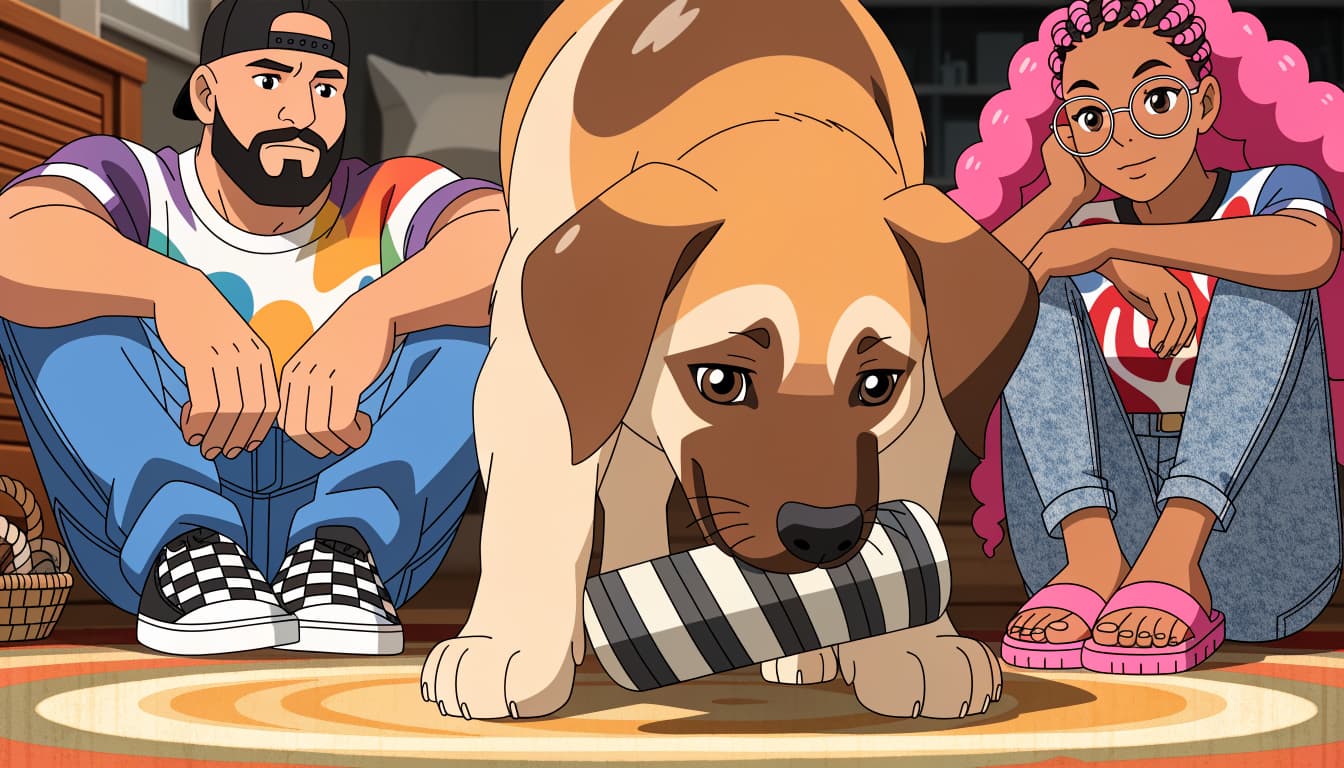
Pause play and redirect to a chew toy
When teeth touch your skin, stop moving and calmly end the interaction. Move your hand away without yanking, shouting, or turning the moment into another exciting game.
Once your puppy is ready to engage appropriately, offer a suitable toy. If your puppy returns to biting you, pause again. You can briefly step away or use a barrier to create space, provided your puppy can do so safely.
Consistency helps your puppy connect the dots: biting people makes the fun stop, while playing with an appropriate toy keeps the interaction going. Some puppies need a different approach or more support, so adjust if repeated pauses make your puppy more excited or distressed.
Reward gentle choices and keep hands out of the game
Praise your puppy when they play with a toy, settle beside you, or make calm contact without biting. You can also offer a small treat for behavior you'd like to see again. Catch those good choices while they're happening instead of waiting for the next nip.
Keep loose clothing and tempting household objects out of reach when possible. During play, use a toy long enough to give both your hands and your puppy some space.
Skip hitting, yelling, nose tapping, and spray bottles. Don't use the crate as punishment. The American Veterinary Society of Animal Behavior recommends reward-based dog training for teaching and behavior problems.
For another look at teaching bite inhibition, watch this puppy-training video:
Build a Routine That Reduces Puppy Biting
Training works better when your puppy also has chances to play, rest, and chew. You don't need to schedule every minute like a tournament bracket. You do need to notice when your puppy has had enough.
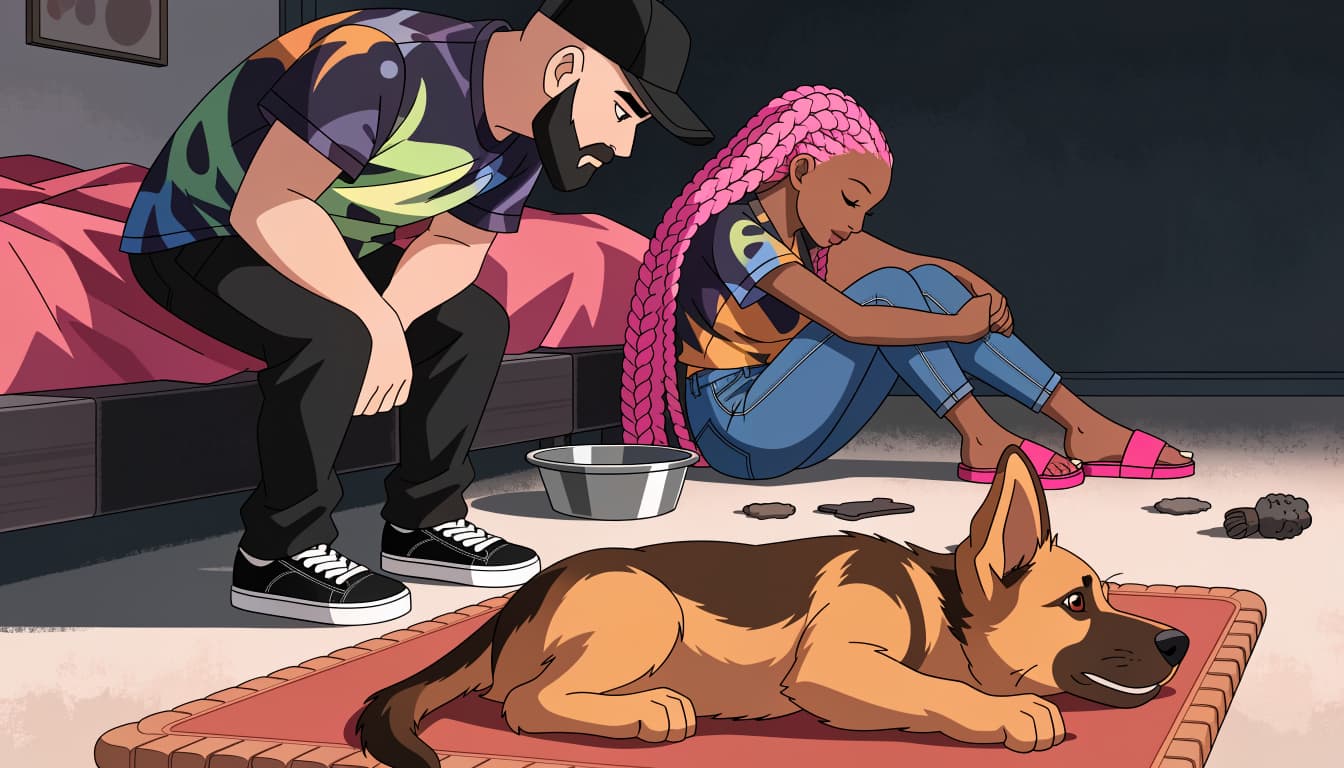
Balance activity with rest and safe chewing
Offer age-appropriate play and let your puppy take quiet breaks. An overtired or overstimulated puppy may have a harder time settling, so pay attention if nipping ramps up after a busy stretch.
Give your puppy supervised access to suitable chew toys, and rotate them to keep the selection interesting. Choose options appropriate for your puppy's size and chewing habits, and remove damaged toys.
A quiet resting spot gives your puppy somewhere to decompress. Treat that space as a place to feel safe, not a penalty box for having teeth.
Make socialization positive and manageable
Introduce people, sounds, places, and suitable dogs gradually. Keep experiences calm and give your puppy room to move away if they're uncomfortable. Your puppy doesn't need to greet every stranger or dog to have a successful outing.
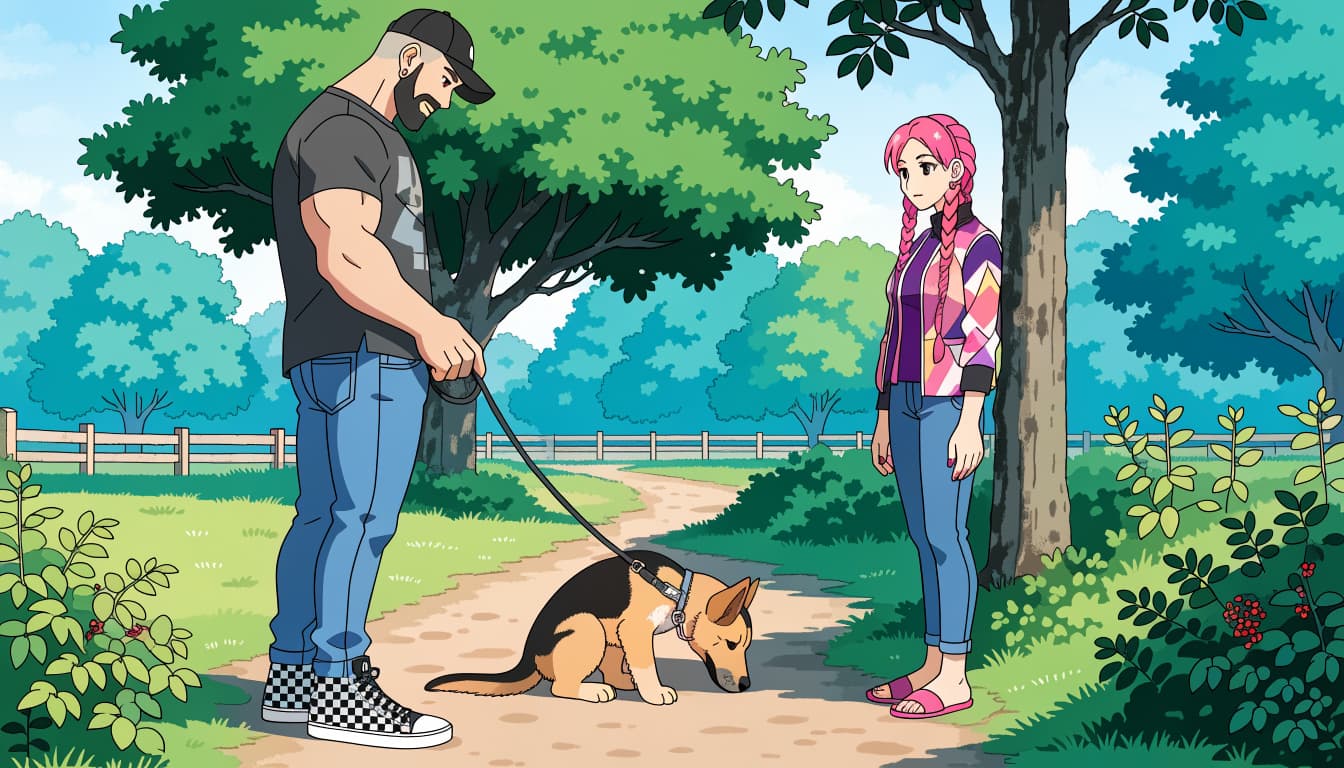
Ask your veterinarian about safe exposure before your puppy is fully vaccinated. The AVSAB socialization guidance emphasizes supported experiences during this early stage.
If you have children or other pets, supervise interactions closely. Teach children gentle handling, no chasing, and respect for your puppy's resting space. Introductions should stay gradual, and your puppy should always have a quiet place to retreat.
When to Call Your Veterinarian or a Trainer
You don't have to wait for a bite to become a household emergency before asking for help. Contact your veterinarian if you suspect pain, notice a marked behavior change, or see persistent fear or distress. A medical assessment can address health concerns that training alone won't fix.
Get prompt help if biting is intense, seems defensive, breaks skin, or makes anyone feel unsafe. Until you have a plan, prevent situations that trigger the behavior and supervise interactions carefully.
For ongoing training concerns, look for a qualified professional who uses reward-based methods. Your veterinarian may also recommend a veterinary behavior professional when the situation calls for more specialized support.
The AVSAB humane training statement explains why reward-based methods are recommended over aversive techniques. Progress depends on your puppy and the circumstances, so be wary of anyone promising an instant personality patch.
Streetwear & Casual Styling
Puppy duty calls for clothes you can move in, plus a graphic that matches your sense of humor. Your dog may think your outfit is interactive entertainment, so keep loose fabric out of reach while you're teaching calmer play.
For a laid-back look, pair our Scream At Void My Human Understands Tee with dark jeans and sneakers. The dog-parent joke brings the energy; the simple layers let the graphic do its thing.
You can also style the If They Could Use Internet We'd Be In Trouble Tee with relaxed jeans and a jacket. It's an easy Cyber-Brutalist Anime Graphic Tee look for the dog person whose camera roll is already 90% puppy.
Frequently Asked Questions
Will my German Shepherd puppy grow out of biting?
Puppy mouthing often changes as your dog matures, but waiting for it to disappear isn't much of a training plan. Calm, consistent guidance helps your puppy learn that toys are for chewing and people deserve gentler interactions.
Should you yelp when your puppy bites?
A yelp can excite or confuse some puppies, even if you intend it as feedback. Try calmly ending play and redirecting instead. If that response isn't helping, adjust your approach with guidance from a qualified reward-based trainer.
How long does puppy biting last?
There's no precise end date that applies to every puppy. Teething, your puppy's individual development, practice, and consistent responses can all affect progress. If the biting is severe, persistent, or worrying, ask your veterinarian for help.
Can puppy biting mean my dog is aggressive?
Biting during play alone doesn't establish aggression. If your puppy seems fearful, distressed, defensive, or unusually intense, contact your veterinarian or a qualified behavior professional rather than trying to diagnose the behavior yourself.
Help Your Puppy Learn Gentler Habits
Your puppy's teeth may be tiny chaos tools, but mouthing is often part of learning. Your response gives those sharp little moments a useful direction.
Pause play, offer an appropriate toy, and reward the gentle behavior you want repeated. If pain or distress might be involved, bring your veterinarian into the conversation. Calm consistency gives both you and your puppy room to make progress.