

Will My Puppy's Eyes Stay Blue? What to Expect
TrendReactTees.STORE TeamYour puppy's eyes may stay blue, but many puppies' eye colors change as they grow. The timing and final shade vary, so there's no universal countdown to an adult eye color.
For your dog-parent wardrobe, our Best Dog Mom Tee keeps the introduction simple. You might also appreciate the My Therapist Is A Dog Tee, because your puppy has already heard all your opinions.
As you watch those puppy eyes change, the important distinction is between gradual color development and a sudden or uncomfortable change.
This post may contain affiliate links, so if you make a purchase through these links, I may earn a small commission at no extra cost to you.
This post may contain affiliate links. If you make a purchase through these links, I may earn a small commission at no extra cost to you.
Key Takeaways
- Some puppies keep blue eyes, while others develop a different iris color over their first months.
- Family traits and breed can offer clues, but they can't guarantee your puppy's final shade.
- Photos taken in similar natural light can help you compare gradual changes without relying on memory.
- Sudden cloudiness, redness, squinting, discharge, or injury needs veterinary attention rather than a wait-and-see approach.
- Eye color alone doesn't tell you whether your puppy can see well.
Will My Puppy's Eyes Stay Blue? What to Expect
Sometimes, your puppy's blue eyes stay blue. In other cases, the visible color of the iris changes as your puppy grows, becoming darker or taking on another shade.
There's no exact age that applies to every puppy. A gradual change during the first months can be part of development, but age alone can't confirm that an eye color is permanent.
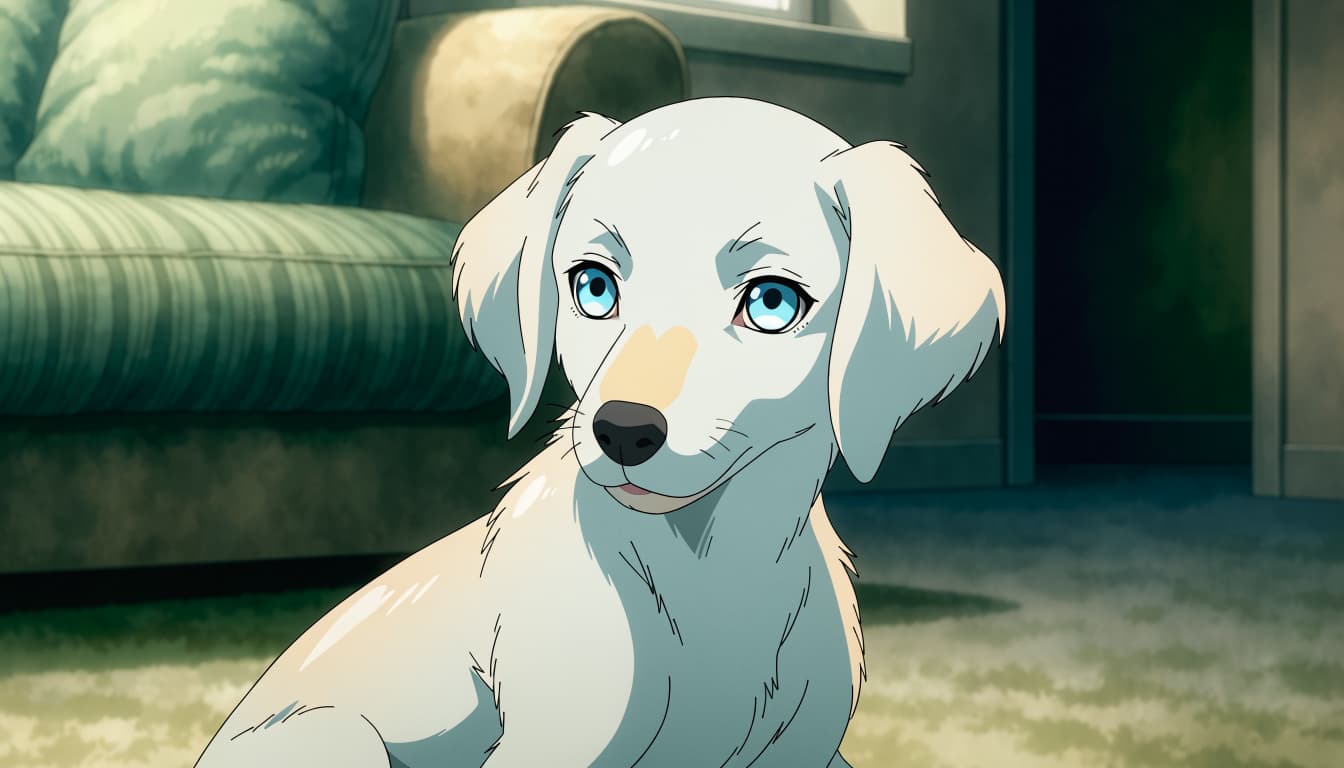
Why puppy eyes can look blue at first
The iris is the colored part of the eye surrounding the pupil. Its appearance can change as a young puppy develops, so the blue you see early on doesn't always predict the adult shade.
You might notice the color looks less blue over time, or that another shade becomes easier to see. That change can be subtle enough that you notice it only when you compare photos taken weeks apart.
A healthy-looking iris changing shade is different from an eye suddenly looking cloudy, red, or uncomfortable. Your puppy doesn't need to wait for an adult color to arrive before a vet checks those signs.
When you may get a better idea of the adult color
The first few months can give you more information, especially if the shade gradually becomes more consistent. Some puppies keep blue eyes, though, and there's no reliable deadline that guarantees every puppy's color has settled.
You may see a four-month mark mentioned online. VCA's explanation of pet eyeshine discusses changes in the reflected glow of a young animal's eyes. That's a separate feature, so it shouldn't be used as a fixed timeline for iris color.
Your puppy's eyes aren't following a character customization timer. Give them time, and ask your vet if something looks uncomfortable or changes suddenly.
What Shapes Your Puppy's Adult Eye Color?
Inherited traits influence the color your puppy's eyes develop. That means family information can be useful context, even though it can't hand you a guaranteed prediction.
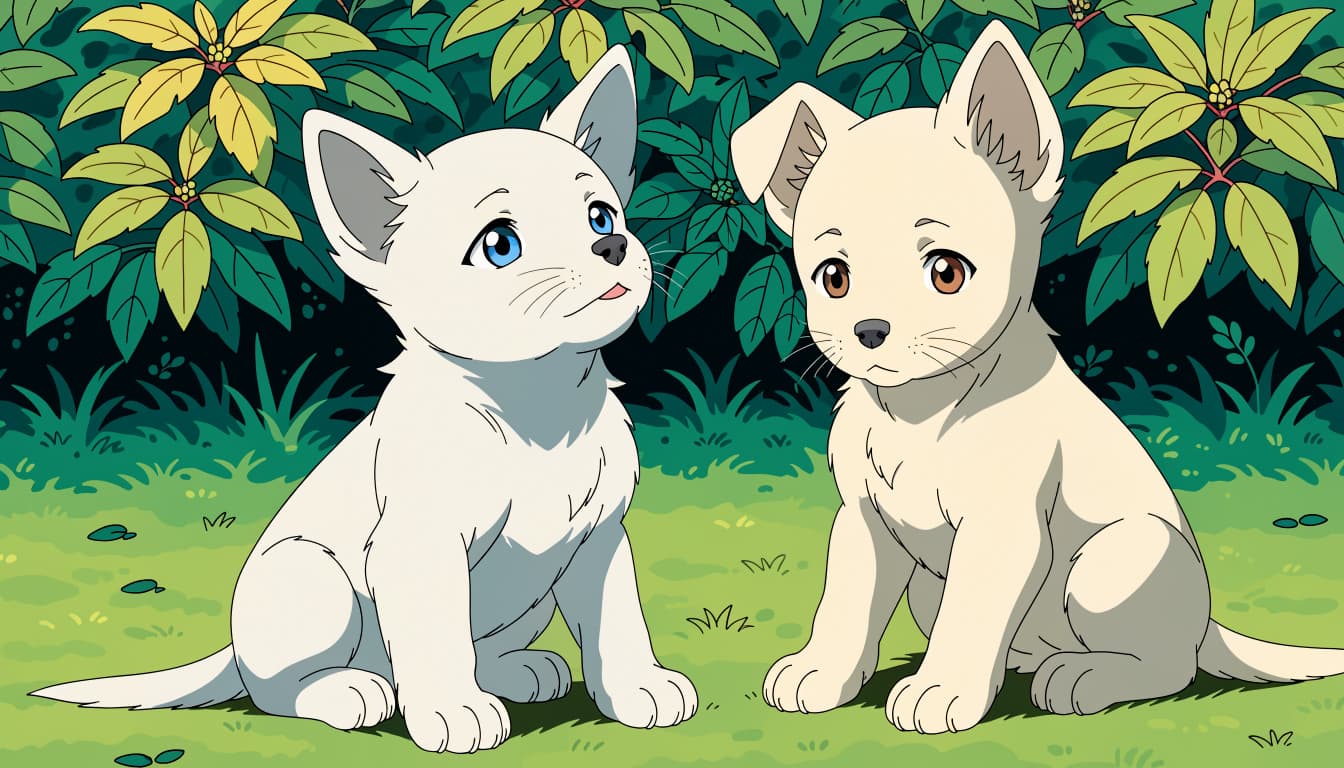
What family and breed clues can tell you
If your puppy came from a breeder, you can ask what eye colors are known in the parents or other relatives. A rescue may have family information too, although that history isn't always available.
Those details can help you understand the range of possibilities. They can't tell you with certainty which shade your individual puppy will have.
The same goes for breed clues. Knowing your puppy's breed or mix can add context, but it isn't a promise that both eyes will stay blue or change to a particular color. Your puppy gets to keep some mystery for now.
If you don't know your puppy's background, you haven't missed a secret test. Watch the eyes over time and bring any questions to a routine veterinary appointment.
Blue eyes, mixed colors, and eyeshine are not the same thing
A blue iris is the colored ring you see around the pupil in ordinary light. Eyeshine is the glow you may notice when light reflects from the back of an animal's eye in dim conditions or a photo.
Those are different features. A bright reflection in a picture doesn't, by itself, tell you the iris has changed color.
Dogs can also have eyes that look different from each other, or more than one color within an eye. Appearance alone won't tell you why. If a difference is new or comes with irritation, ask your vet rather than assigning it a diagnosis from a photo.
How to Track Eye-Color Changes Without Worrying
You don't need a daily inspection schedule worthy of a video game achievement. Occasional photos can give you a useful record while your puppy grows.
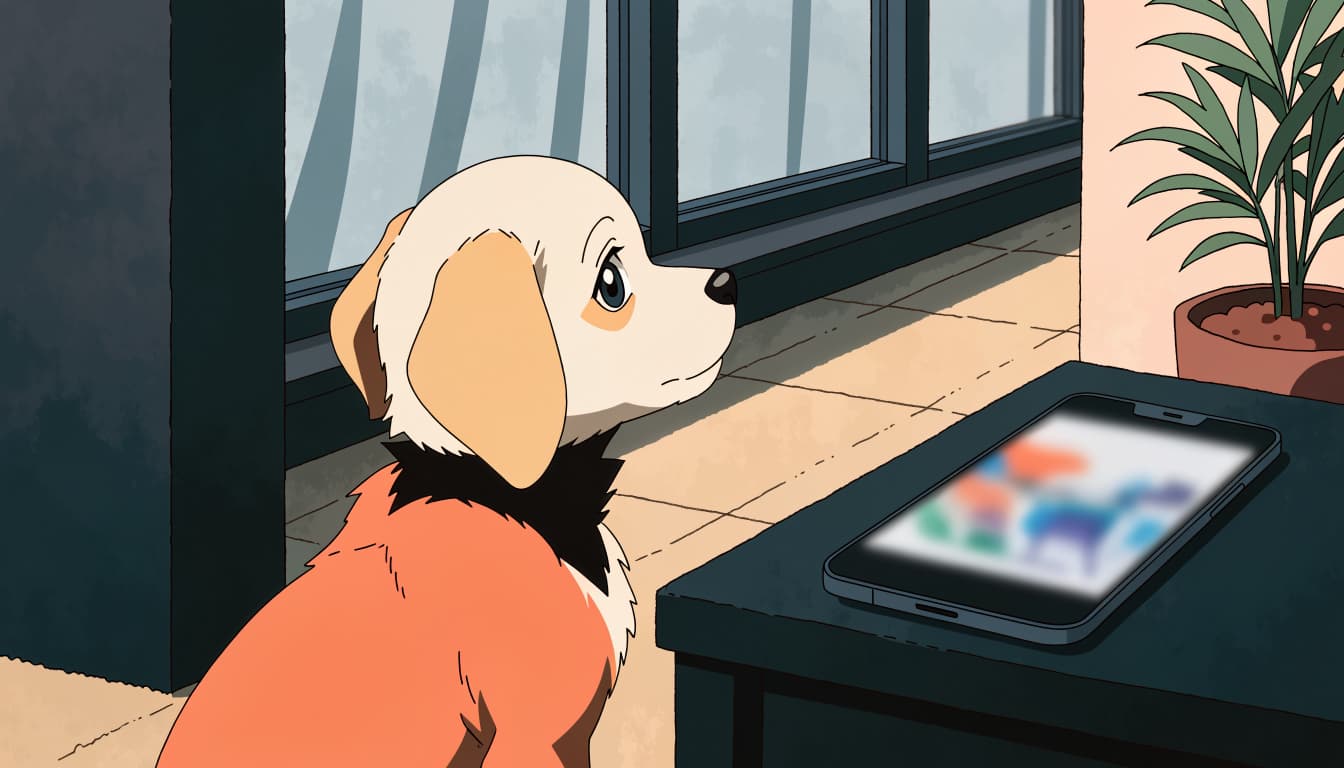
What a gradual color shift can look like
A slow shift may appear as a different shade becoming more noticeable over weeks, rather than an overnight transformation. Both eyes might look similar as they change, though puppies can also have different-looking eyes.
Compare pictures taken over time instead of treating one image as a verdict. A shadow across the face, a different angle, or a bright reflection can make the same eyes look surprisingly different.
Pay attention to how your puppy seems, too. A comfortable puppy with a gradual-looking shade change is a different situation from one who suddenly squints or keeps an eye closed.
How to take useful comparison photos
Choose a familiar spot with indirect natural light, such as near a window. Avoid flash, and try to photograph both eyes from a similar angle each time.
Keep the photos easy to find, with their dates. If you're unsure what you're seeing, bring them to your puppy's next checkup so your veterinarian can examine the eyes and discuss your concerns.
Photos are a record, not a home eye exam. You don't need to shine lights into your puppy's eyes, test their vision yourself, or apply products to make a color change happen.
When a Change in Your Puppy's Eyes Needs a Vet
A gradual iris-color shift is one thing. Pain, sudden cloudiness, or an injury calls for a different response.
VCA's eye urgent-care guidance lists several signs that deserve prompt attention. You don't have to decide what's causing them before you call.
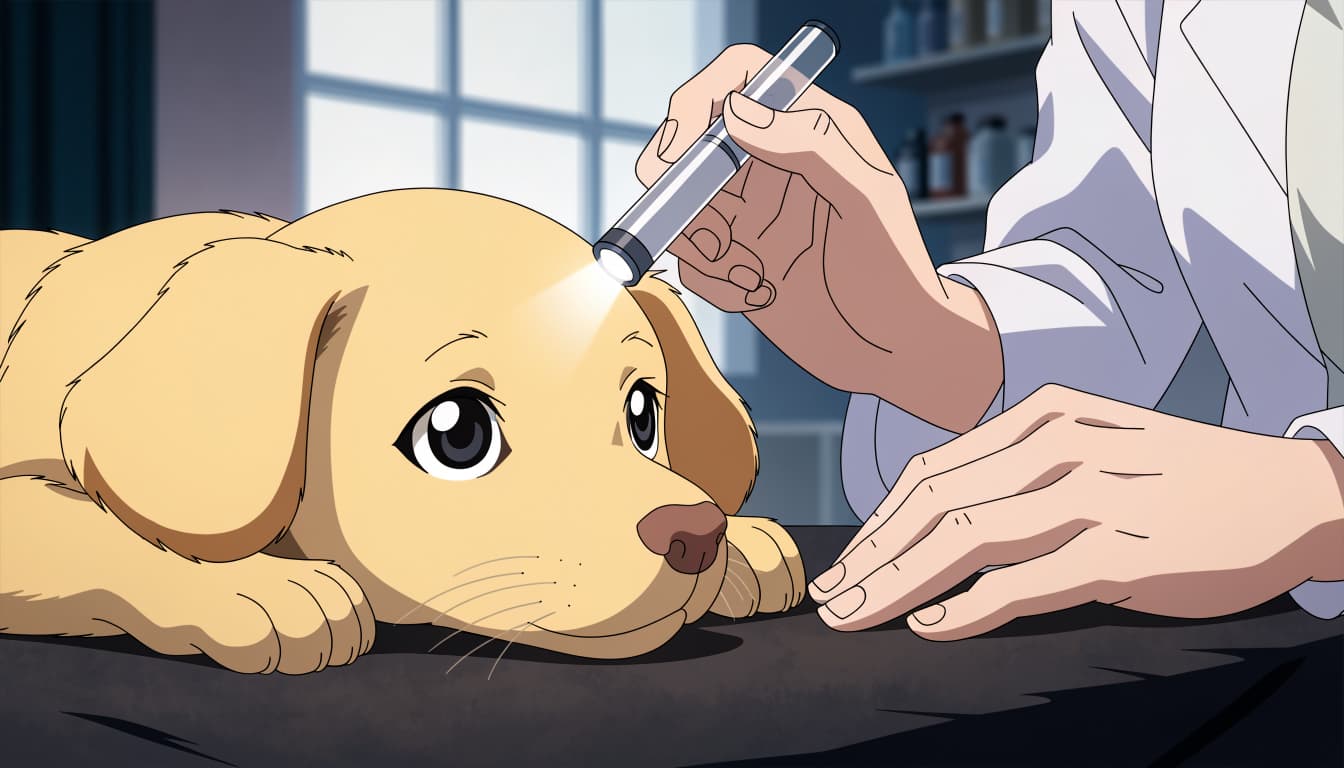
Signs that deserve prompt veterinary care
Contact your veterinarian promptly if you notice:
- Squinting, frequent blinking, or holding an eye closed.
- Sudden cloudiness, marked redness, or swelling around the eye.
- Unusual yellow, green, or red discharge, or blood in or around the eye.
- Pupils that are different sizes, a suddenly bulging eye, or an eye injury.
Don't wait to see whether these signs disappear as the eye color changes. Some eye problems can worsen quickly, and an examination is the way to find out what's happening.
For a severe eye injury or an eyeball that's out of its socket, seek emergency veterinary care. If you're unsure where to go, call a veterinary clinic or emergency hospital while arranging care.
What to do while you arrange care
Keep your puppy calm and prevent rubbing if you can do so safely. If you have an appropriate protective collar and can put it on without causing more distress, it may help keep paws away from the eye.
Don't put human eye drops, leftover medication, or other unapproved products in the eye. A treatment that sounds harmless may be wrong for the problem. For example, VCA's guide to corneal ulcers explains that an injury to the eye's surface needs veterinary diagnosis and treatment.
Tell the clinic what you've noticed and when it began. Mention any possible injury, even if you can't see exactly what happened.
Streetwear & Casual Styling
Once your puppy's care is sorted, the outfit assignment is much easier. Start with a Cyber-Brutalist Anime Graphic Tee, add jeans and simple sneakers, and throw on a light jacket for a casual day together.
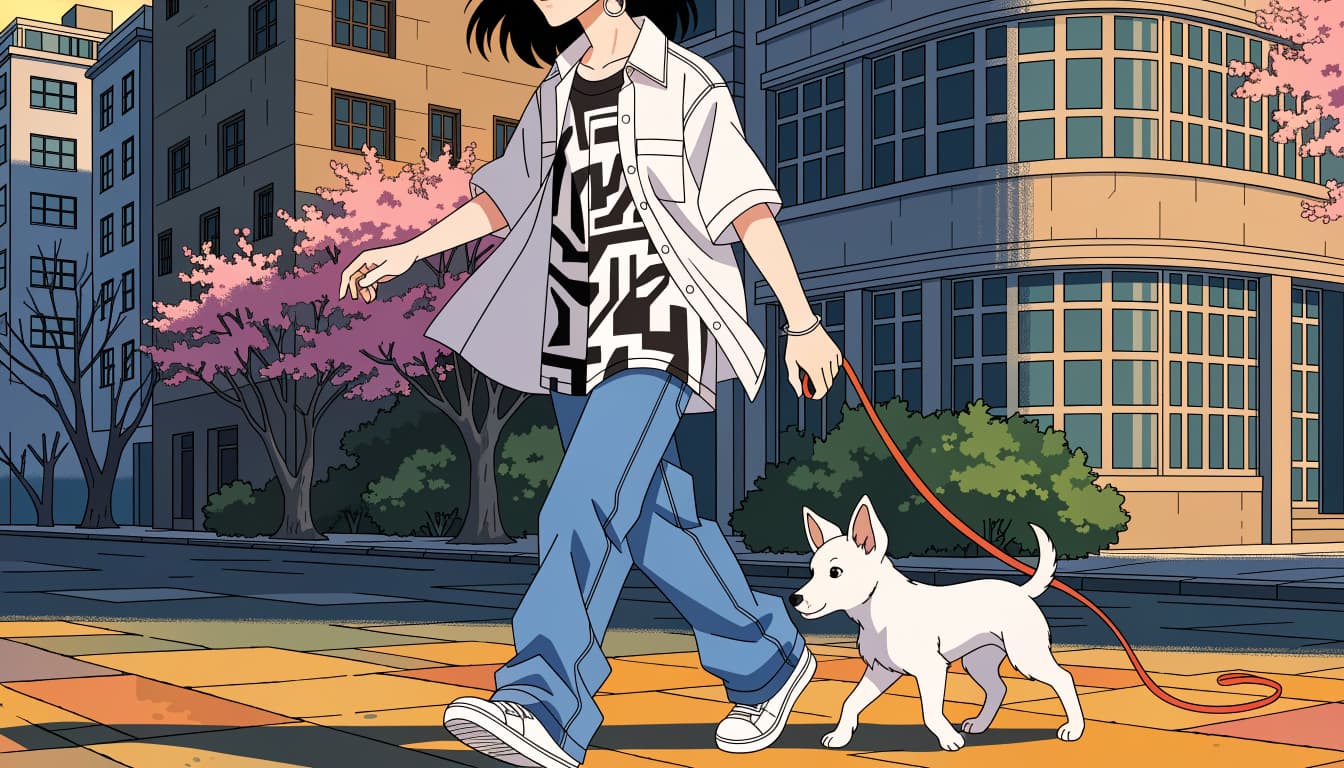
Our Golden Retriever Luck Tee gives your dog-person status a little extra personality. For a more internet-coded look, the If They Could Use Internet We'd Be In Trouble Tee pairs with the same relaxed basics.
Keep the accessories uncomplicated and let the graphic do the talking. Your puppy will probably get the most attention anyway, but your outfit can still have a point of view.
Frequently Asked Questions
Can a puppy's blue eyes change color overnight?
Different lighting can make your puppy's eyes look different in two photos taken a day apart. If you notice a sudden change in the eye itself, contact your veterinarian, especially if there's cloudiness, redness, or discomfort. Don't assume an abrupt change is ordinary development.
Can one eye stay blue while the other changes?
Yes, a puppy's eyes can differ in appearance, including their visible colors. If you notice a new difference or a sudden change, ask your veterinarian for advice. They'll consider the whole eye, rather than judging it by color alone.
Does a blue eye mean my puppy has poor eyesight?
Eye color alone can't tell you how well your puppy sees. If your puppy seems to have trouble seeing or their behavior concerns you, discuss it with your vet. An eye examination can address questions that color can't answer.
Should you use eye drops if the color looks cloudy?
Don't use human or leftover eye drops without your veterinarian's direction. Cloudiness should be checked rather than treated as a normal color change. Contact your vet promptly, particularly if the eye also looks red or your puppy seems uncomfortable.
Give Your Puppy's Eyes Time, and Watch for Changes
Your puppy may keep those blue eyes, or the iris color may change as they grow. There's no guaranteed final shade or schedule, and that's okay.
Keep an occasional photo record in similar light, and bring questions to your puppy's checkup. If you notice cloudiness, redness, pain, discharge, injury, or a sudden change, contact a veterinarian promptly. You can enjoy the puppy photos while giving their eyes the care they need.