

Writing Love Songs: Turn a Real Feeling Into a Song
TrendReactTees.STORE TeamWriting love songs starts with a point of view you can feel, not a collection of fancy words. Choose one emotional moment, give it a clear hook, and shape the lyrics and melody until they sound like you.
This post may contain affiliate links. If you make a purchase through these links, I may earn a small commission at no extra cost to you.
Need a playful reminder that romance can have personality? Our Love Is My Glitch tee and Be My Player Two tee bring a little gamer energy to the love-song mood.
Your first draft doesn't need a grand confession. It needs somewhere honest to begin.
Key Takeaways
- Pick one feeling and a specific situation instead of trying to describe every version of love.
- Collect sensory details before worrying about rhymes, structure, or sounding poetic.
- Give your chorus a clear, memorable message, then let the verses reveal the moments behind it.
- Test lyrics, melody, and chords together, and change anything that feels awkward to sing.
- Revise familiar phrases into personal details, then finish a small draft you can build on.
Start Writing Love Songs With One Clear Feeling
Love is a huge topic. You can write about devotion, awkwardness, grief, excitement, or the moment someone remembers how you take your coffee. Your song gets easier to write when you pick one emotional center and stay close to it.

Choose the angle you want listeners to feel
Start with three things: your subject, your angle, and the feeling you want to leave behind. You might choose an old relationship, the urge to call after midnight, and the tension of deciding not to.
That angle gives you somewhere to go. Instead of listing reasons you miss someone, you can stay with the moment your thumb hovers over their name. You have a tiny action, a decision, and a feeling your listener can recognize.
Your song can be joyful, too. Maybe the angle is feeling safe enough to laugh after a rough week. A love song doesn't need a tragic backstory or a dramatic final boss.
Find a real moment worth putting into a song
Set a timer for five minutes and freewrite about a person, place, object, or memory. Describe what you hear, smell, see, or touch. Include small movements, like someone pushing a warm drink across the table.
Let the details be messy. You aren't auditioning your notebook for a poetry prize, and you don't need to make anything rhyme yet.
When the timer ends, circle two or three details that bring the feeling back. Those are your lyric ingredients. If an image means something to you but takes a paragraph to explain, keep the clearest part and save the rest for another verse.
Shape Your Love Song Lyrics Around a Strong Hook
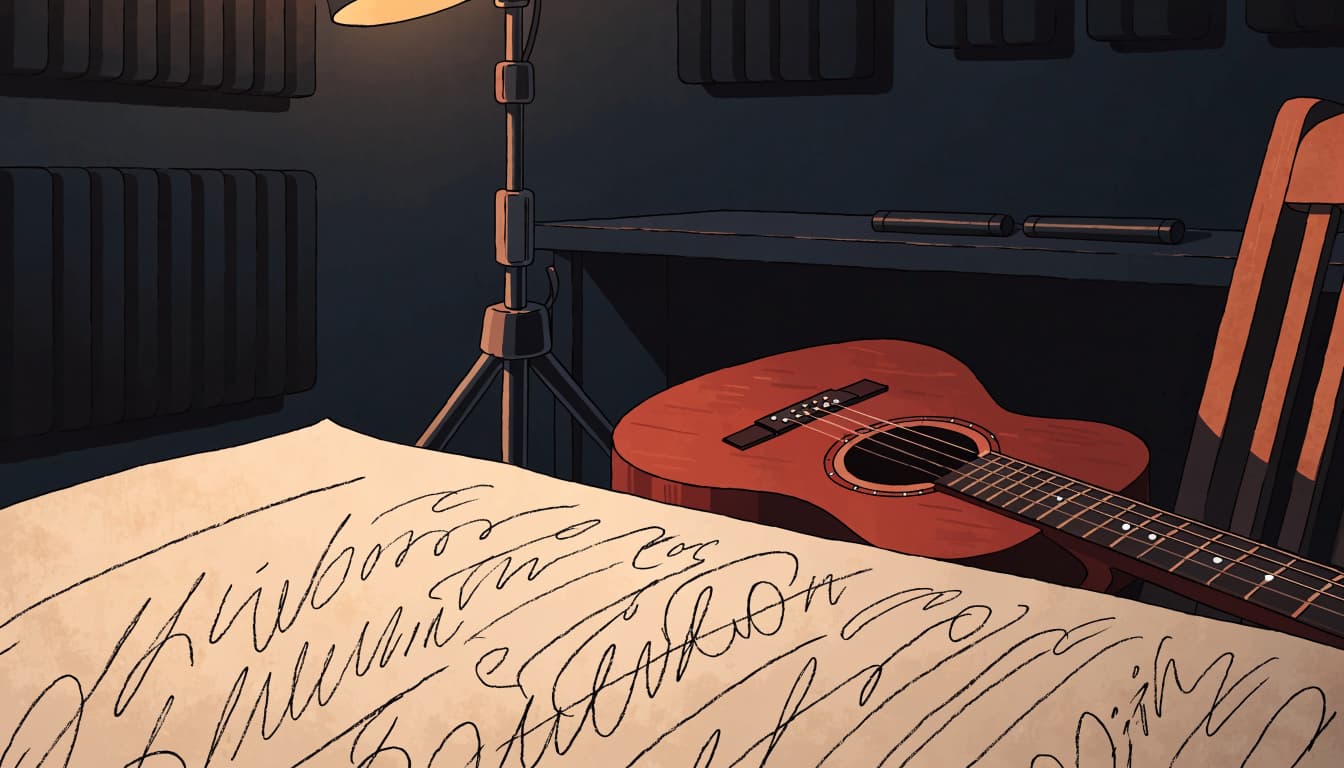
A hook is the line, phrase, or musical idea that sticks. It can also become your title. Once you have a central idea, your verses and chorus can work together instead of competing for attention.
Let the chorus carry your main message
Your chorus is a good place for the feeling you want your listener to remember. Say the line out loud before you sing it. If it sounds like a sentence you'd never say, try a simpler version.
For a song about feeling safe with someone, a hook like "I can breathe when you're here" gives you a clear message. You can repeat it, change its melody, or build the rest of the chorus around it.
Keep the words easy to sing. A chorus packed with abstract declarations can feel like a relationship status update nobody asked to read.
Use verses to show the details behind the feeling
Your verses can give the chorus a setting. If the hook is about feeling safe, the first verse might show someone leaving a light on while you come home late.
A second verse can move the story forward. Show a different morning, a change in your reaction, or another small act of care. You don't need a plot twist every eight lines, but the listener should get something new.
Try a familiar layout of verse, chorus, verse, chorus, bridge, and final chorus. Treat it as a starting point, not an unbreakable rule.
Use a bridge to shift the point of view
A bridge can interrupt the pattern with a new thought. You might admit that you're afraid of trusting someone, then return to the chorus with that fear in view.
You can also change the melody or chords for contrast. If your song has already said what it needs to say, leave the bridge out. A missing bridge won't summon the songwriting police.
Match Your Melody and Chords to the Words
You can start with words, a melody, or a chord progression. None of those doors is locked. Once you have a draft, let the pieces influence each other.

Make the melody follow the way you speak
Read a lyric aloud and notice which syllables naturally get emphasis. Then hum a short tune and fit the words to it. If a melody forces you to stress an awkward syllable, change the notes or rewrite the line.
Pay attention to breath, too. A phrase that looks fine on a page can feel like a speedrun when you try to sing it. Shorten the sentence, add a pause, or give the melody more room.
Record a quick voice memo so you can hear what happens outside your head. Your recording only needs to capture the idea; studio perfection can wait.
Choose chords that support the song's mood
If you play guitar or piano, try a simple four-chord loop such as C, G, Am, and F. Give each chord a little space, then sing your hook over the pattern. Change the order or tempo if the result doesn't fit your lyric.
You can also hum first and find chords afterward. A tender lyric doesn't automatically need slow piano, and an upbeat song can still carry complicated feelings.
Berklee Online's songwriting handbook discusses how tempo and the relationship between lyrics, melody, and harmony affect a song's emotion. Use those choices to support your point of view rather than forcing your song into a preset romance mode.
Revise the Draft Until It Sounds Honest and Original
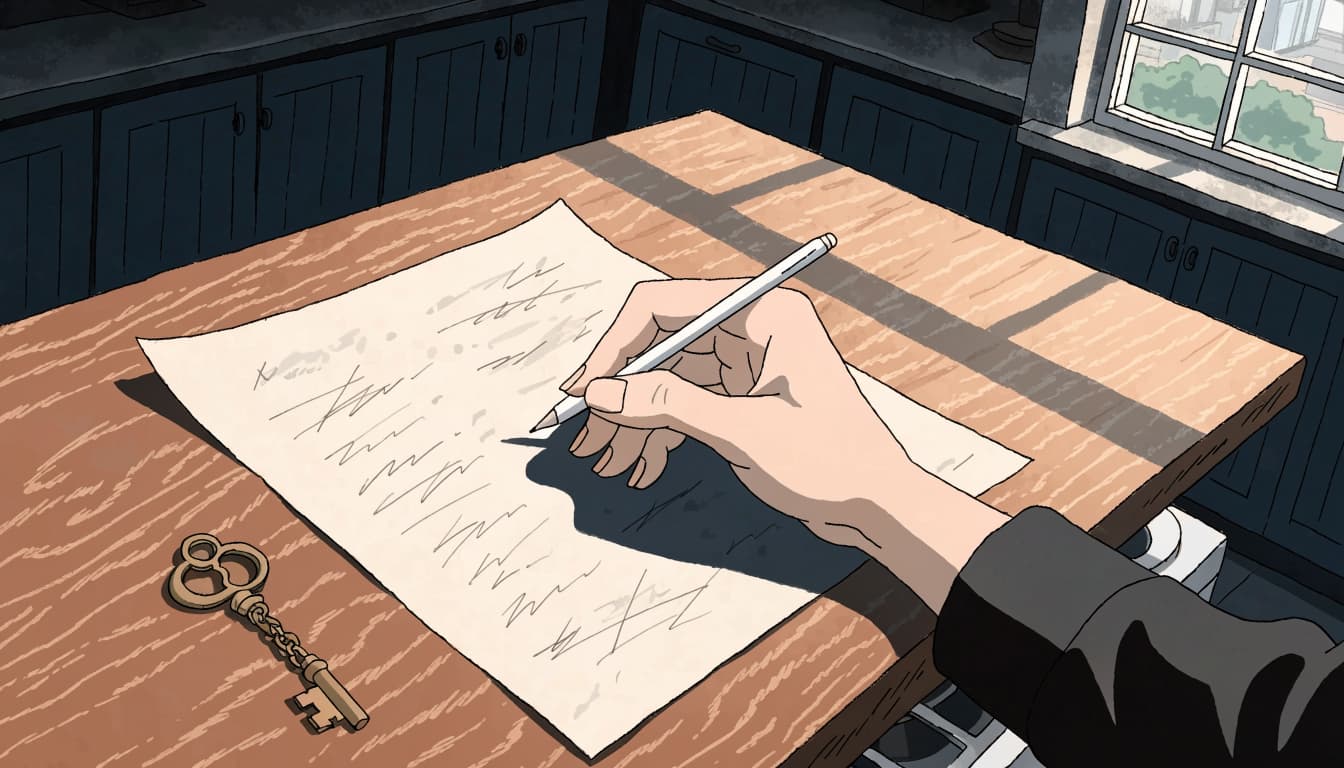
Your first draft is allowed to be awkward. Once you have a verse and chorus, sing them aloud and mark the places where you stumble, lose the feeling, or stop believing your own words.
Replace clichés with details only you could write
Phrases like "you mean the world to me" can express a real feeling, but they've appeared in plenty of songs already. Look for the action underneath the declaration.
For example, you might replace "You're always there for me" with "You leave the hallway light on when I work late." The second line gives your listener something to picture and leaves room for them to feel what it means.
Check predictable rhymes, too. If you're using "moon" because you need it to rhyme with "June," ask whether either word belongs in your story. A less obvious rhyme, a near rhyme, or no rhyme at all may sound more natural.
Check that every section adds something new
Read your song in order. Does the first verse establish a moment? Does the next verse add another detail or change? Does the chorus deliver the central feeling?
If you wrote a bridge, check that it brings a fresh thought. Cut a line that repeats information without adding emotion, rhythm, or character.
Finally, listen for tense and point of view. Switching between "you," "we," and "they" can work, but accidental changes can confuse your listener. Adjust the wording until it sounds like a person talking, then sing it again.
Streetwear & Casual Styling
Your song has a point of view, and your outfit can have one, too. A Cyber-Brutalist Anime Graphic Tee lets you bring a little music-loving personality to a rehearsal, open mic, or casual listening session.

Pair our Heart.Exe Online tee with relaxed jeans and sneakers for a look that keeps the romantic energy and the tech humor. Add a simple jacket when you want another layer without covering the whole graphic.
If your playlist leans sweeter, our Love Always Wins tee works with the same easy outfit. Let the shirt do the talking while you save your best lines for the chorus.
Frequently Asked Questions
Can you write a love song if you're not in a relationship?
You can write about a past relationship, an imagined future, friendship, or the kind of care you hope to find. Focus on an emotion you understand, then choose details that make your point of view clear.
Do you need to play an instrument to write a love song?
No. You can hum a melody into your phone, sing without accompaniment, or work with someone who plays. If you use a ready-made beat, make sure its license permits the way you plan to share the finished song.
How long should a love song be?
Give the idea enough time to develop, then stop when the song feels complete. A short song with one verse and a strong chorus can work, especially if you're writing it as a personal gift.
How can you share a song about someone without making them uncomfortable?
Consider which details are private and whether the person would recognize themselves. You can keep the song between you, change identifying details, or ask before sharing it publicly.
Where can you study songwriting techniques further?
Berklee College of Music's songwriting program covers melody, harmony, and lyric structure. You can also study songs you love by listening for the hook, the change between sections, and the details that make each verse distinct.
Finish the Song You Started
A memorable love song can begin with one small, specific feeling. Give that feeling a clear hook, surround it with honest details, and keep adjusting the words until they feel good to sing.
Your first version doesn't need to sound like a finished track. A verse and a chorus give you something real to work with.
Save the draft, come back to it, and make the next edit. Your song deserves more than permanent status as an unfinished voice memo.