

Backpacking in Denali: Permits, Routes, and Safety
TrendReactTees.STORE TeamBackpacking in Denali means choosing your own route through a vast, mostly trail-less landscape. You'll need an overnight permit, solid navigation skills, and a plan that can flex when weather, wildlife, or road access changes.
For the travel day or the post-hike reset, our Nature Is My Wifi Tee and Nature Is My Therapist Tee bring a little outdoor energy to town. In the backcountry, technical layers and rain gear do the actual work.
This post may contain affiliate links. If you make a purchase through these links, I may earn a small commission at no extra cost to you.
Key Takeaways
- Denali's backcountry has few marked trails, so plan for route-finding and slow travel.
- Overnight trips require a free permit issued in person, plus an orientation for everyone in your party.
- The park has 87 backcountry units, and 42 have nightly quotas.
- Road and bus access change with the season, weather, and construction.
- From April 15 through September 30, backpackers must use a bear-resistant food container.
Backpacking in Denali: What You Need to Know Before You Go
Denali National Park & Preserve divides its backcountry into management units, but those boundaries don't come with a tidy network of marked trails. You choose where to travel and camp, then find your way across open country. That freedom comes with real responsibility: route-finding, sound judgment, and self-reliance matter every day.
An overnight backpacking trip requires a free backcountry permit. Day hiking doesn't require one, though closures and park safety rules still apply. The route you can reach also depends on the season. Private vehicles normally go as far as Savage River at Mile 15, while buses provide access farther along the Denali Park Road during the summer season.
Expect fewer conveniences than you'd find on a conventional trail system. The park is large, emergency help may be delayed, and a bus schedule is not a personal shuttle guarantee. Start by understanding the terrain and the access window, then build a plan around your group's skills.
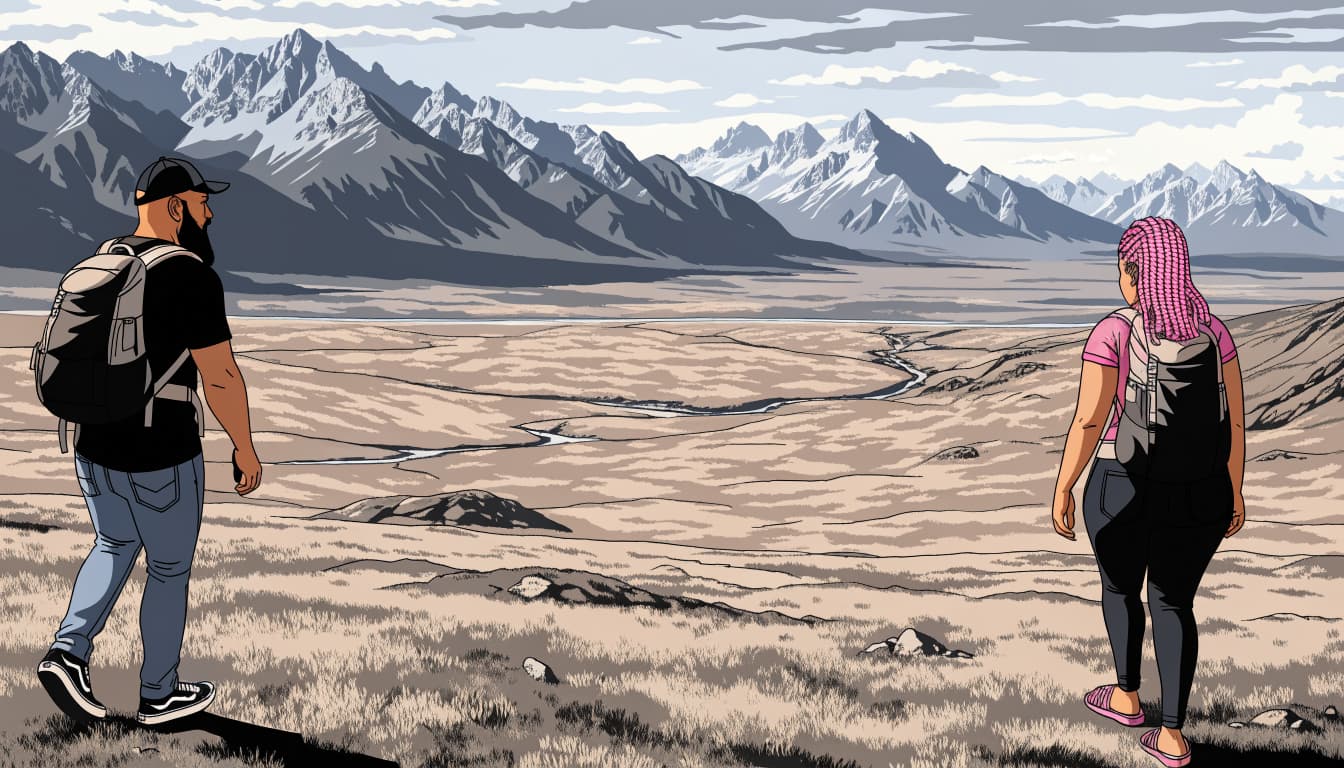
Expect open tundra, river crossings, and changing conditions
A short distance on a map can take much longer on the ground. Tussock tundra is uneven, brush can slow progress, and streams may need to be crossed without a bridge. You may also encounter boggy ground, slippery rocks, and stretches with no obvious path to follow.
Plan daily mileage for your slowest terrain, not your fastest. A group that moves confidently on a maintained trail may find that the same pace doesn't translate across tussocks and stream crossings. Your route should reflect the comfort and experience of everyone in the party, with time left for a safe exit if conditions turn.
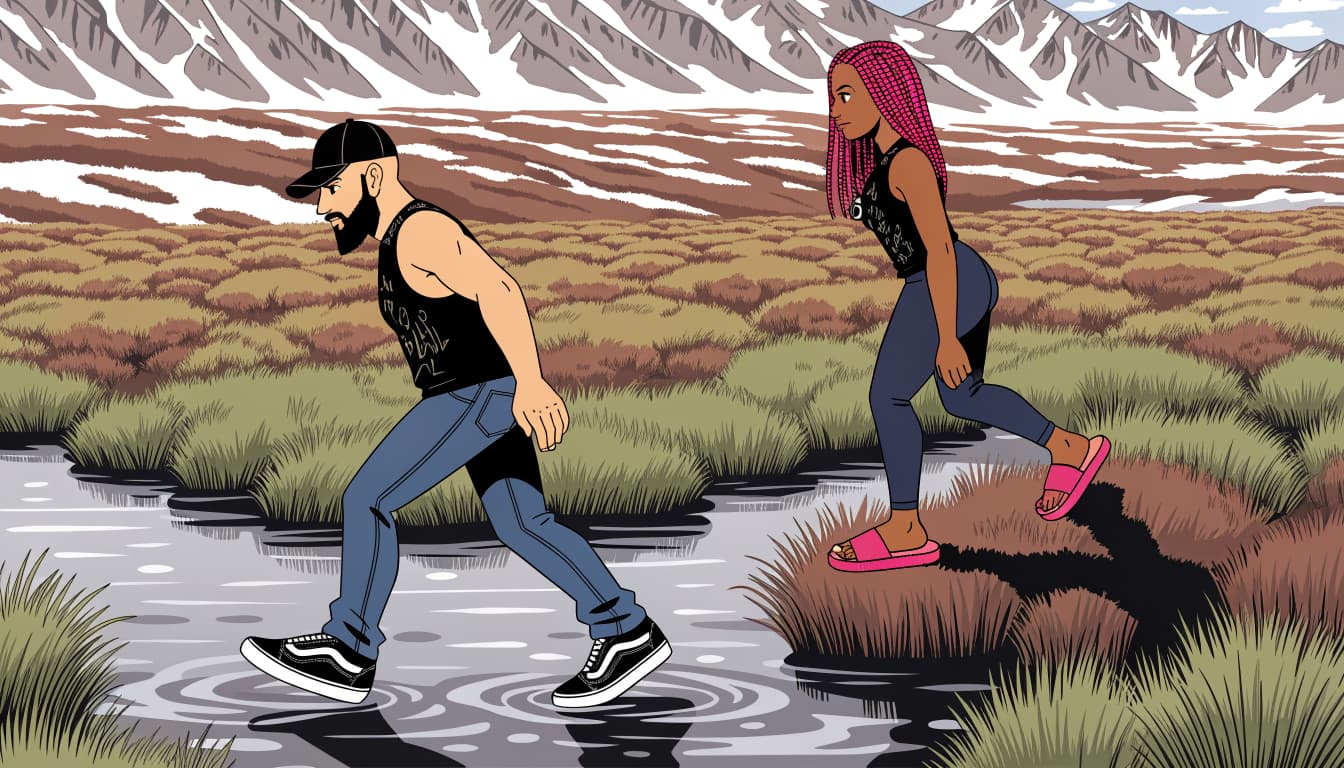
Choose your season with access and weather in mind
The main visitor season runs roughly from late May through mid-September. Bus service is seasonal and doesn't operate in fall, winter, or spring. In shoulder seasons, snow, rain, sunshine, and rapid weather changes can all show up in the same plan, so don't treat a calendar date as a promise of easy travel.
Road conditions can change the picture, too. During the 2026 season, bus service was limited to East Fork at Mile 43 after park road conditions shifted. Check the Denali National Park conditions page for current notices and bus limits before you lock in your starting point. A route that depends on access beyond the bus's reach needs a different exit plan.
How to Get a Denali Backcountry Permit and Choose a Unit
During the main season, get your free overnight permit in person at the Backcountry Information Center on the Denali Bus Depot campus. Permits are issued no more than one day before your trip begins. Every person in your party must attend the required in-person orientation before the permit is issued.
Units aren't reserved online, so arrive with more than one route idea. The permit process and orientation details cover topics such as campsite selection, river crossings, wildlife encounters, and Leave No Trace practices. Get the backcountry permit before buying Camper Bus tickets, since your assigned unit and road access shape the trip.
In fall, winter, and spring, permits are available at the visitor center. The process still depends on current conditions and the type of trip you're planning, so avoid building an itinerary around an assumed summer bus schedule.

Understand unit rules and nightly quotas
Denali has 87 backcountry units, and 42 have nightly quotas limiting how many people can camp in them. Your permit assigns the unit where you must camp each night. You may travel through other units on the way, but you must camp in the unit listed for that night.
You can't reserve the same night in two different units, or reserve a night in both a unit and a campground. That matters when you sketch out a multi-night trip: plan the sequence of camps as well as your daily travel. The guide to Denali's backpacking units can help you understand unit boundaries and quotas before you arrive.
Plan around bus service and changing road access
The Denali Park Road runs 92 miles. In summer, private vehicles normally reach Savage River at Mile 15, and buses carry visitors farther along the road. The park's posted 2026 transit schedule ended September 17, but dates and access can change with weather, roadwork, and closures.
Don't assume that a familiar mile marker will be reachable on your trip. In 2026, bus access changed during the season, and the park advised visitors to plan around limits beyond East Fork. Match your route to the actual bus endpoint, leave room for delays, and don't make the last bus your only exit plan.
Plan a Route, Pack for the Backcountry, and Stay Safe
Denali doesn't have a single beginner route that fits every group. Choose a trip based on your navigation experience, comfort with off-trail travel, and ability to adapt. Before leaving, make sure everyone understands the route, the camping units, the likely exit points, and what you'll do if the day takes longer than planned.
The National Park Service's backpacking requirements and food-storage guidance is a useful starting point. But the plan still has to work on the ground: weather can stall progress, river levels can affect crossings, and help may be a long way off.
Build a route around your group and exit options
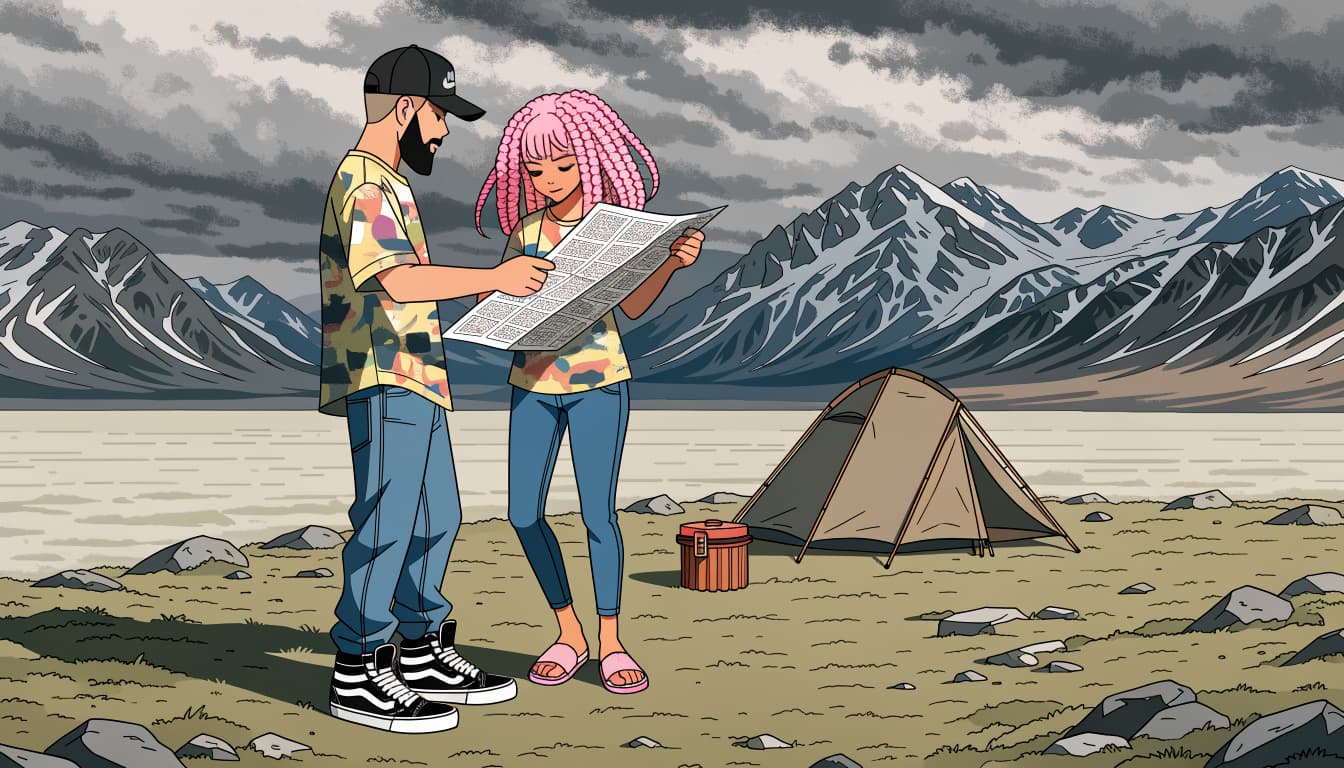
Study unit boundaries and maps before your permit appointment. Bring backup ideas in case a preferred unit is full, and make sure those alternatives fit your group's abilities. A route is more than a line between two points: account for uneven ground, stream crossings, poor weather, and the time needed to return safely.
Keep your daily distance conservative enough to allow for slow sections and decisions. Identify where you can adjust the plan or turn back. If your route depends on a bus, know where service ends and how you'll respond to a delay or missed connection. Give your group time to make careful choices instead of forcing a crossing or pushing on because the itinerary says so.
Pack layers, navigation tools, and bear-safe food storage
Pack rain protection, warm quick-drying layers, sturdy waterproof footwear, and a map with a compass or GPS device. Bring a first-aid kit, enough food for the trip, and a way to treat water. Battery-powered navigation tools need backup power, and a phone shouldn't be your only way to find your position.
Bear-resistant food containers are required for backpacking from April 15 through September 30. The park lends approved containers at no charge when you get your permit. Store food and every scented item securely, and pack out all trash. Your camp should leave no food scraps or wrappers behind for wildlife to investigate.
Know wildlife and emergency safety basics
Keep at least 300 yards from bears and 25 yards from other wildlife. Never feed animals. Bear spray is encouraged, but carry it only if you know how to use it. Ask park staff about temporary wildlife closures before you head out, since some short closures may not appear on a map.
Emergency response can be limited, especially far from the park entrance. Tell someone your itinerary and expected return, and make sure your party knows what to do if you need to change plans. Turning back is a solid decision when weather, water, or terrain pushes beyond your group's skills. The mountains won't take it personally.
Streetwear & Casual Styling
A graphic tee belongs on the travel day, around town, or while you're relaxing after the hike. It doesn't replace technical base layers, insulation, or rain gear in Denali's backcountry. That distinction keeps your style choices fun and your gear choices useful.
For a casual look around a Cyber-Brutalist Anime Graphic Tee, add a weather-ready jacket, comfortable pants, and trail shoes after the hike. Our Nature Is My Only Group Chat Tee brings the outdoorsy introvert energy; the Leave No Trace Tee keeps the post-trip outfit on theme. For more clothing ideas, see our guide to comfortable and safe river outfits.

Frequently Asked Questions
Do you need a permit to day hike in Denali's backcountry?
You need a permit for overnight backcountry camping, not for day hiking. Day hikers still need to follow park safety rules and avoid any areas closed to visitors.
Can you reserve a Denali backcountry unit in advance?
No. Units are selected in person, and you can't reserve them online. Keep alternate plans ready because nightly quotas may limit which units are available when you arrive.
Can you camp anywhere in Denali National Park?
Overnight camping is allowed in designated campgrounds or with a backcountry permit. If you have a permit, you must camp in the unit assigned for that night.
When do you need a bear-resistant food container?
Backpackers must use a bear-resistant food container from April 15 through September 30. The park lends approved containers at no charge when you obtain your permit.
Make Your Denali Plan Flexible
A successful Denali backpacking trip depends on a permit, careful preparation, and a route that suits your group's skills. Respect wildlife and changing conditions, and leave enough room in the plan to turn back or adjust. Before you leave, check current park notices and bus access. The best itinerary is the one your group can complete safely, even when Denali changes the script.