

Best Neck Gaiters for Skiing by Weather and Fit
TrendReactTees.STORE TeamThe best neck gaiters for skiing balance warmth, breathability, and low bulk for the conditions you're skiing. Start with comfortable coverage, then choose fabric that won't turn your jacket collar into an overheated inventory screen.
For afterward, our My Cabin Is 404 Tee and Wifi Down Send Snacks Cabin Tee handle casual après-ski duty. Keep them separate from your technical-layer decisions.
A gaiter adds coverage, but it doesn't replace a helmet or other ski safety gear. Your shortlist starts with the weather, your activity level, and how everything fits together.
This post may contain affiliate links. If you make a purchase through these links, I may earn a small commission at no extra cost to you.
Key Takeaways
- Choose lightweight merino or a thin stretch tube when breathability and low bulk matter most.
- Consider fleece or grid fleece for colder days, with room for extra fabric at your collar.
- Try your gaiter with your actual helmet, goggles, and jacket before skiing.
- Treat UPF ratings, warmth, and wind protection as separate product qualities.
- Follow each garment's care label, and save your graphic tee for a dry, casual après-ski outfit.
Best Neck Gaiters for Skiing: Picks for Different Conditions
Your strongest pick depends on whether you're generating heat, sitting through cold lift rides, or prioritizing compact coverage.

Use these models as a condition-based shortlist, rather than a universal ranking.
| Model | When it belongs on your shortlist | Useful distinction |
|---|---|---|
| Turtle Fur Comfort Shell Totally Tubular | You want a versatile tube with a reported sun-protection specification. | Its reported fabric rating is UPF 50+. |
| Minus33 Midweight Merino Wool Neck Gaiter | You prefer merino for variable resort conditions. | A midweight option to compare with lighter tubes. |
| Smartwool Merino Neck Gaiter | You want another merino-based option. | Reported composition is 88% merino wool and 12% recycled nylon. |
| LÉ BENT Midweight Merino Neck Gaiter | You want a resort all-rounder. | A starting point when maximum insulation isn't your priority. |
| LÉ BENT Heavyweight Grid Fleece Merino Neck Gaiter | You prioritize added warmth on colder days. | Its 3D grid interior is designed to trap warmth. |
| NovForth Fleece Neck Gaiter | You want a lower-cost fleece example. | Compare its collar bulk with your existing layers. |
The dated price snapshots are $24.99 for Minus33 and $14.99 for NovForth, both recorded November 13, 2026. Prices and availability change; those figures aren't guaranteed checkout prices.
Turtle Fur's UPF rating concerns sun protection, not a temperature rating or windproofing claim. Likewise, a heavyweight name doesn't establish a safe temperature limit.
Start with the category that matches your day. Paying more for insulation you constantly pull down is an expensive way to accessorize your chin.
Choose a Ski Neck Gaiter by Material and Weather
Fabric names narrow your options, but construction, weight, and fit affect performance. Makers may not publish temperature ratings, so don't assign a gaiter an imaginary subzero power level.

Use Merino or a Thin Stretch Tube for Active Skiing
Lightweight merino can suit active skiing and changing conditions because it breathes and may remain comfortable when damp. That doesn't make every merino gaiter equally breathable. A dense midweight tube feels different from a thin knit.
Synthetic stretch tubes are another practical category when you want low bulk and quick-drying use. Compare polyester, nylon, and stretch blends by their actual construction and stated features.
A fiber percentage alone doesn't tell you how quickly a particular model dries. Neither does a dramatic mountain photo on the packaging.
Pick Fleece or Grid Fleece for Extra Warmth
Fleece and grid-fleece tubes deserve attention when you expect colder, slower-paced skiing. The LÉ BENT Heavyweight Grid Fleece Merino model is one named option, rather than a universal answer to winter.
Extra insulation can mean extra collar bulk. Breath moisture can also make thick fabric uncomfortable against your face.
Favor a smooth, flexible neck panel that settles comfortably inside your jacket. If the collar feels crowded before you move, adding goggles and turning your head won't improve the situation.
Check Gaiter Fit with Your Helmet, Goggles, and Jacket
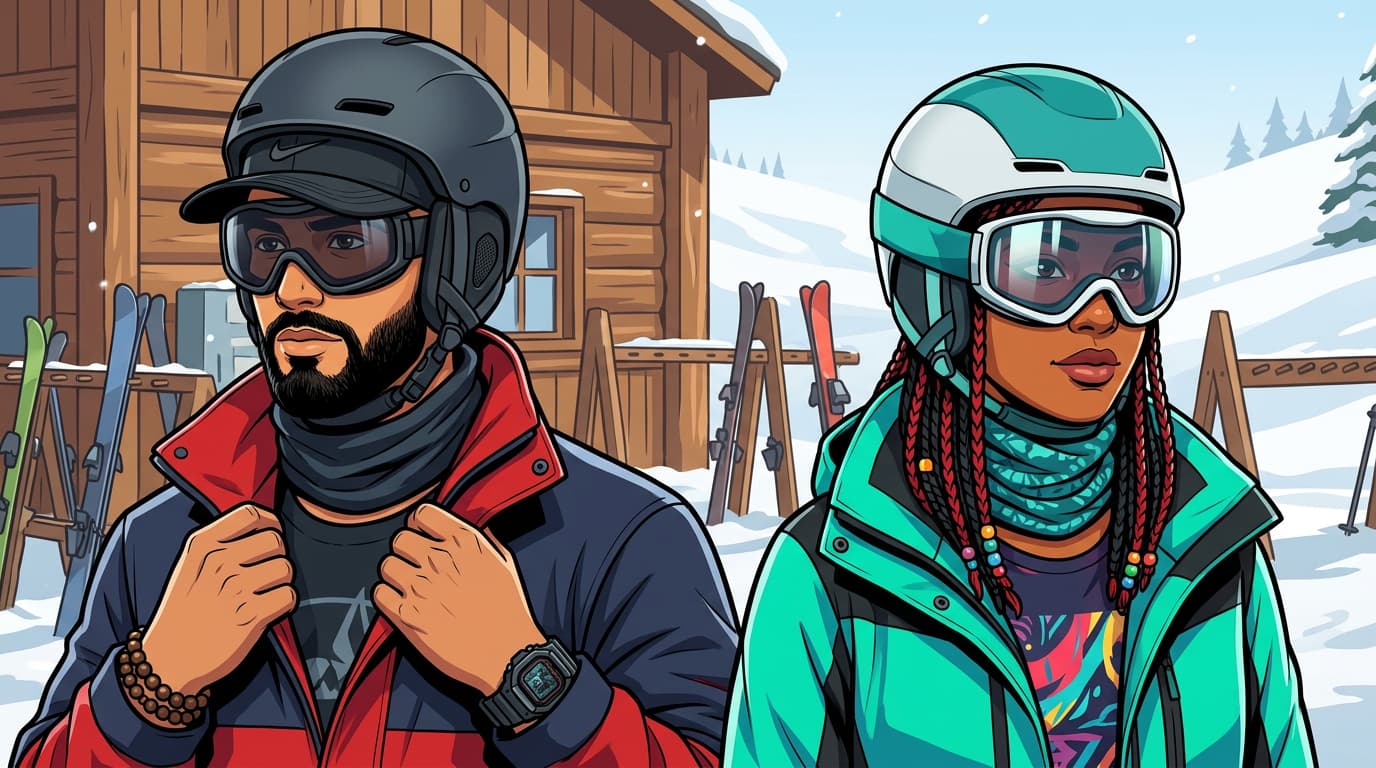
Try the complete setup you plan to wear. Zip your jacket, turn your head, and raise and lower the gaiter. Your collar shouldn't bunch or restrict movement.
A tube usually sits below your helmet. Anything worn inside it must preserve its intended fit, as emphasized in REI's ski helmet guidance.
Prevent Goggle Fog and Fabric Ride-Up
Fabric pulled over your nose can creep beneath your goggles. Exhaled air directed toward the lenses may also contribute to fogging.
Breathe normally and move your head during your stationary fit test. Notice whether the fabric shifts, presses against your nose, or redirects breath upward. Lower it when conditions allow.
The named tube models aren't verified here as having special breathing panels. Don't mentally install premium ventilation features that the product never promised.
Know When a Balaclava or Face Mask Works Better
A tube is easy to adjust and works well for neck coverage. A balaclava adds head and ear coverage, depending on its cut. A shaped face covering with a windproof panel may suit exposed conditions better.
Your gaiter doesn't replace head or ear coverage in severe cold. When adding a balaclava or liner inside a helmet, keep the helmet's fit unchanged.
For a visual comparison, watch "Ski Neck Gaiter Versus Balaclava? - Ask A Ski Bum."
Care for Your Gaiter and Set Realistic Expectations
Follow the garment label for your specific fabric and model. Merino, synthetic stretch fabric, and fleece don't automatically share a wash routine.
The listed DANISH ENDURANCE fleece-lined merino gaiter, for example, calls for a gentle 30°C/86°F wash, wool detergent, and no tumble drying. Those instructions apply to that model. They aren't a universal merino care preset.

After use, notice whether the fabric has stretched, seams feel rough, or the tube no longer stays where you need it. Comfort depends on its condition as well as its original specifications.
A gaiter that adds warmth but interferes with your goggles or helmet creates a different equipment problem.
Keep its job in perspective. Your gaiter can reduce exposure and add comfort; it doesn't make skiing risk-free or compensate for unsuitable conditions. Your equipment still needs to work as a complete setup.
Streetwear & Casual Styling
Once you're finished skiing, your outfit can stop negotiating with your goggles. Change into dry casual clothes, then build your look around our Cyber-Brutalist Anime Graphic Tees.
Our My Cabin Is 404 Tee works with a warm jacket and blue jeans for a relaxed cabin fit. Keep the jacket simple so the artwork gets its screen time.
For a snack-first recovery plan, pair our Wifi Down Send Snacks Cabin Tee with everyday cargos and an insulated outer layer. Your boots can finally clock out.

A neck gaiter is technical gear. Your graphic tee belongs in your casual outfit or beneath a jacket afterward, not in place of protective layers.
You'll find the same separation in our ATV clothing guide: activity-specific equipment gets priority. Graphics handle the personality department.
Frequently Asked Questions
Can You Wear a Neck Gaiter Over Your Nose While Skiing?
Yes, if its size and fit provide comfortable coverage without interfering with your goggles or breath flow. Include that position in your helmet compatibility fit test, rather than testing everything with the gaiter lowered. Persistent slipping means that combination needs adjustment.
Is Merino Wool or Fleece Better for a Ski Gaiter?
Choose around conditions and your comfort preferences. Lighter merino options can offer breathable, lower-bulk coverage, while fleece can add warmth and collar bulk. If you run hot, the thickest option can become the first thing you want to remove.
Does a Neck Gaiter Replace a Balaclava?
Only when you don't need the additional coverage a balaclava provides. A gaiter mainly covers your neck and lower face; a balaclava can also cover your head and ears. Added fabric inside your helmet mustn't make it sit higher or change its secure fit.
How Often Should You Wash a Ski Neck Gaiter?
Follow its care label and wash when sweat, odor, or use makes cleaning necessary. You don't need a universal every-outing schedule, because fabrics and instructions vary. Don't assume merino's odor resistance means you can skip cleaning indefinitely; your laundry basket isn't a preservation chamber.
Choose Coverage That Fits Your Ski Day
Your choice among the best neck gaiters for skiing starts with conditions, fabric weight, and a comfortable complete fit. Thin merino or stretch fabric can suit active days. Fleece deserves consideration when added warmth matters more than minimal bulk.
Compare specific product details and care directions before buying. Try your choice with your helmet, goggles, and jacket before heading out.
Choose the coverage you'll comfortably wear, rather than the thickest tube with the most dramatic product name.