

Best Watch for Surfing: Rip Curl vs. Casio G-LIDE
TrendReactTees.STORE TeamThe best watch for surfing depends on whether you want tide information, recorded sessions, or a tough watch for the lineup. The Rip Curl Search GPS Series 2 favors session tracking; the Casio G-LIDE GBX-100 favors tide and training data.
For dry-land plans afterward, our Reading Total System Crash Tee and Free Love Cyberpunk Tee bring the graphics. They're post-surf outfit options, not surf equipment.
Start with the features you'll use, because an impressive spec sheet can become expensive wrist decoration.
This post may contain affiliate links. If you make a purchase through these links, I may earn a small commission at no extra cost to you.
Key Takeaways
- Choose the Rip Curl Search GPS Series 2 if recording waves and reviewing sessions matter to you.
- Pick the Casio G-LIDE GBX-100 if tide graphs, moon data, and training measurements cover your needs.
- Prioritize local tide coverage, readable information, comfortable fit, and controls you can operate without a tutorial mid-session.
- Match the watch's setup and care demands to your routine. More features only help when you use them.
Best Watch for Surfing: Two Strong Picks for Different Needs
Your priorities decide this matchup. Rip Curl puts surf-session recording first; Casio combines tide information with general training measurements.

Choose the Rip Curl Search GPS Series 2 for Surf Session Tracking
The Rip Curl Search GPS Series 2 records waves with assisted GPS and syncs surf sessions to the Search GPS cloud. Its stated water rating is 100 m/330 ft.
You also get tide information, future-tide display, and connected wind and swell information. That makes it the more surf-focused choice when you want something to review afterward.
The tradeoff is extra administration: charging, pairing, and syncing. Choose it because you want recorded sessions, rather than because another screen sounds entertaining.
Choose the Casio G-LIDE GBX-100 for Tide and Training Data
The Casio G-LIDE GBX-100 features include a tide graph, moon data, distance, elapsed time, and pace.
Those training measurements aren't a wave-by-wave surf log. If you mainly want tide information on your wrist and useful measurements for land-based workouts, Casio is the simpler fit for that job.
You can see the Rip Curl watch in this Stoked For Travel review:
Compare Tide Watches, GPS Trackers, and Smartwatches
Before choosing a brand, choose the job. A tide display and a recorded surf session answer different questions, even when both appear under a surfing label.
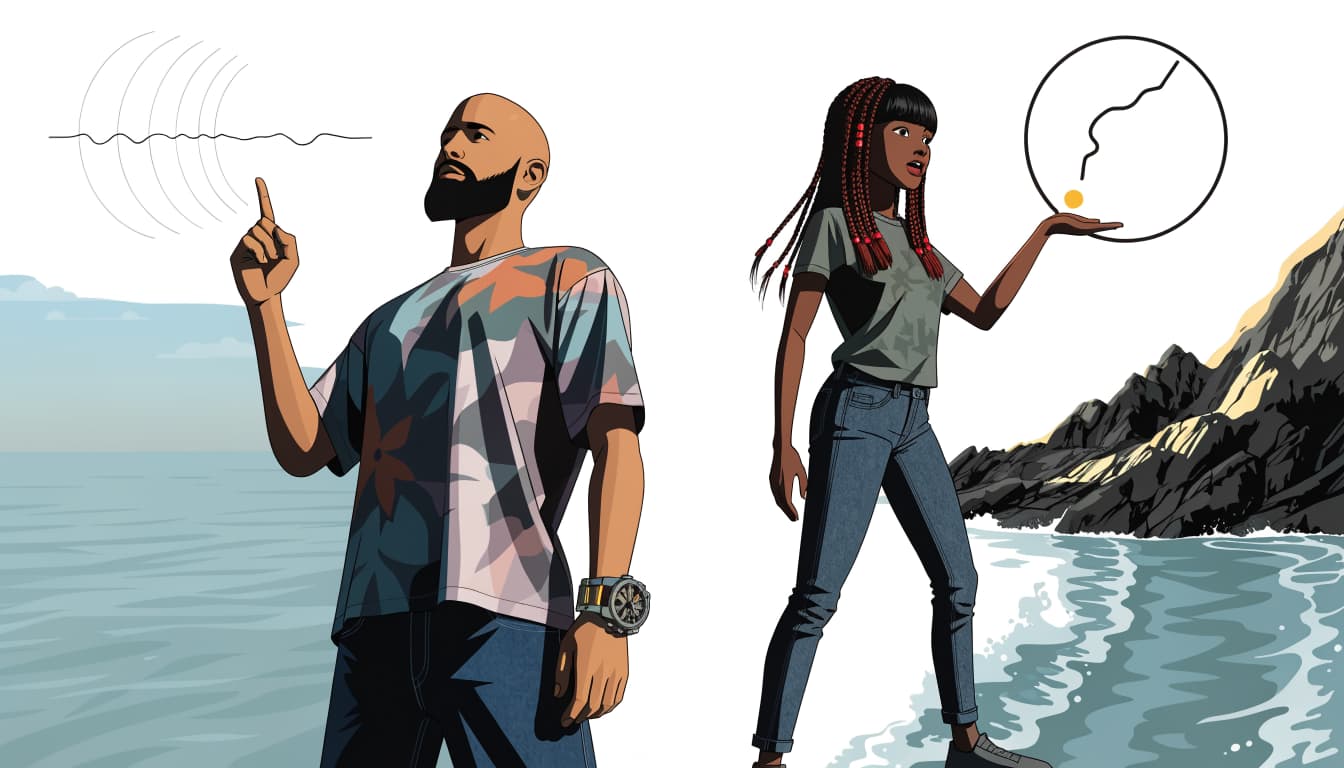
These categories give you a useful starting point.
| Watch category | Main purpose | Practical tradeoff |
|---|---|---|
| Tide watch | Show tide information at a glance | May offer little session detail |
| GPS surf watch | Record surf activity and related data | Adds recording and syncing tasks |
| General smartwatch | Cover everyday uses with possible surf apps | Surf tools may involve another app |
Choose the category around your actual habits. If you never review activity records, session tracking has less value than a display you understand instantly.
Training terminology also deserves attention. The GBX-100 operation guide describes accelerometer-based distance, time, and pace measurements for running or walking. You shouldn't interpret those numbers as surf-specific tracking.
Apple Watch Ultra and Garmin Instinct are broader options to consider, rather than automatic upgrades over a dedicated tide watch. A general smartwatch may depend on a separate app for surf features, which changes the workflow.
Think about where you want the useful information to live. A watch-first experience suits quick glances in the lineup. An app-centered experience makes more sense when reviewing information afterward is part of your routine.
Your wrist doesn't need an entire command center to tell you something useful.
How to Choose a Surf Watch for Your Breaks
The best watch for surfing should suit your breaks and your tolerance for setup. Start with two decisions: which information matters, and how comfortably you can access it.
Check Tide Coverage and Session Features Before You Buy
Local coverage matters more than a giant feature count. You need a useful location and a display that communicates the tide details you care about.
The Search GPS 2 quick-start guide lists 1,400 tide locations, with time, height, and direction. It also describes viewing tides for today and tomorrow.
Keep tide graphs, workout measurements, and recorded waves separate in your buying priorities. They're different tools.
Phone and account dependence belong in that decision too. Cloud syncing means your post-session workflow extends beyond the watch. Rip Curl's guide describes SURFLINE wind and swell data obtained through a paired device.
Make Sure the Watch Fits Your Surf Routine
You need readable information in bright sun and controls that remain manageable with wet hands. Tiny details lose their charm when you're squinting between sets.
Comfort matters just as much. A case that presses beneath your wetsuit cuff can make a feature-packed watch irritating to wear. Strap security and durable construction deserve more attention than cosmetic extras.
A water rating isn't permission for every kind of water exposure. The model's water-use and care guidance still apply.
Finally, match charging and setup to how often you surf. Set your budget around features you'll repeatedly use, not the most elaborate dashboard available.
Set Up Your Watch and Use It Without Losing Focus
Do the fiddly work on land. You want your attention on the water, not on discovering which button opens an unexpected menu.
A short pre-surf routine keeps the useful features ready:
- Set the intended location and select the tide display you understand.
- Charge a rechargeable watch before leaving, rather than treating the beach as a battery experiment.
- Secure the strap comfortably and make sure your wetsuit cuff doesn't interfere.
- Learn the controls on land, including how to start and stop recording.
- Start or review tracking before entering the water, if you're recording the session.
If you use connected conditions, get that information organized before the paddle out. Pairing a device is easier when you're dry, stationary, and not negotiating incoming whitewater.
Once you're surfing, keep watch interactions brief. A session record can wait; the people and waves around you can't.
A tide display describes predicted tide information. It doesn't assess currents, crowd behavior, or whether the conditions match your ability.
Your watch is a convenience, not safety equipment. Keep checking surf, weather, and local conditions through reliable sources and direct observation.

After saltwater use, follow the manufacturer's rinse, drying, and care instructions for that model. Treat care as part of packing up, rather than leaving it until the next session.
Streetwear & Casual Styling
Once you're dry, your outfit can stop doing ocean-related labor. Build around our Cyber-Brutalist Anime Graphic Tees with simple bottoms and practical shoes.
Pair the Updating Our Firmware Tee with straight-leg jeans and black-and-white skate shoes. Let the graphic take center stage while the watch stays a useful accessory.
For a more playful look, wear the Best Friend Share Single Brain Cell Tee with plain shorts and secure casual sandals. Your group chat can supply the remaining styling opinions, probably unsolicited.

Keep these outfits on dry land. Graphic tees don't replace surf clothing or sun-protective layers. If paddleboarding is also on your calendar, our paddleboarding outfit guide covers clothing choices for that separate activity.
Frequently Asked Questions
Can you surf with a regular smartwatch?
You can use one only when its model-specific water-use guidance permits that activity. Surf features may involve a separate app, so everyday smartwatch functions alone don't give you session recording.
Do you need GPS in a surf watch?
You don't need GPS simply to view programmed tide information. GPS becomes useful when recording location and activity data matters to you, and that recording adds another task to your routine.
Can a surf watch replace a tide chart?
You can use a suitable watch as a convenient way to access tide predictions for a covered location. Keep reliable local conditions in the picture, because a tide display doesn't describe everything happening at your break.
How do you care for a watch after surfing?
Follow the manufacturer's care instructions for your particular model. Rinse and dry it only as directed, rather than assuming every water-resistant watch needs the same treatment.
Is the Rip Curl Search GPS Series 2 worth considering?
You may value it if you want assisted-GPS wave recording, cloud session syncing, and tide information together. Its connected conditions features make the most sense when pairing and post-session data are things you'll use.
Choose the Features You'll Actually Use
Your strongest choice depends on what earns its place on your wrist. Rip Curl suits you when surf-session recording is part of the appeal. Casio suits you when tide information and training measurements cover the job.
Match the watch to your breaks, budget, and routine. Give usable features more weight than an impressive feature count.
The right purchase leaves you with information you want, controls you understand, and fewer reasons to stare at your wrist while waves pass.