

Best Wetsuits for Surfing: Fit, Thickness, and Picks
TrendReactTees.STORE TeamThe best wetsuits for surfing depend on your local water temperature, the suit's fit, and how long you stay out, not one universal winner. These picks compare published product details, not controlled head-to-head test results.
Save cotton graphic tees for the ride home. Our Reading Total System Crash Tee and Best Friend Share Single Brain Cell Tee are for dry land, never cold water or as wetsuit layers. First, get the surf gear right.
This post may contain affiliate links. If you make a purchase through these links, I may earn a small commission at no extra cost to you.
Key Takeaways
- Choose thickness for your local water, session length, wind exposure, and cold tolerance.
- A close fit matters: loose gaps can let water in, while painful restriction can limit paddling.
- Compare seams, lining, and entry style as product details, not proof of a universal winner.
- O'Neill and Patagonia prices vary by model, retailer, and market; sales and stock can change.
- Hoods, boots, and gloves can add protection, but they don't replace a suitable wetsuit.
Best wetsuits for surfing: top picks for different conditions
There isn't enough head-to-head testing here to crown one model the overall champion. Instead, match the published specs to your conditions, then see how the suit fits your body and budget.
A versatile 3/2 suit for warmer water
The Rip Curl Flashbomb 3/2 Chest Zip Fullsuit is a specific option to consider when a 3/2 mm suit suits your local conditions. Rip Curl lists E7 and E6 linings, mesh-skin panels, sealed cuffs, an internal key pocket, and 3/4 Fusion dry seams.
Those details tell you what's built into the suit, not how it performs against every competitor. A product feature list isn't a controlled warmth or flexibility test. The brand's wetsuit thickness guide can help you connect suit thickness with the conditions you surf.
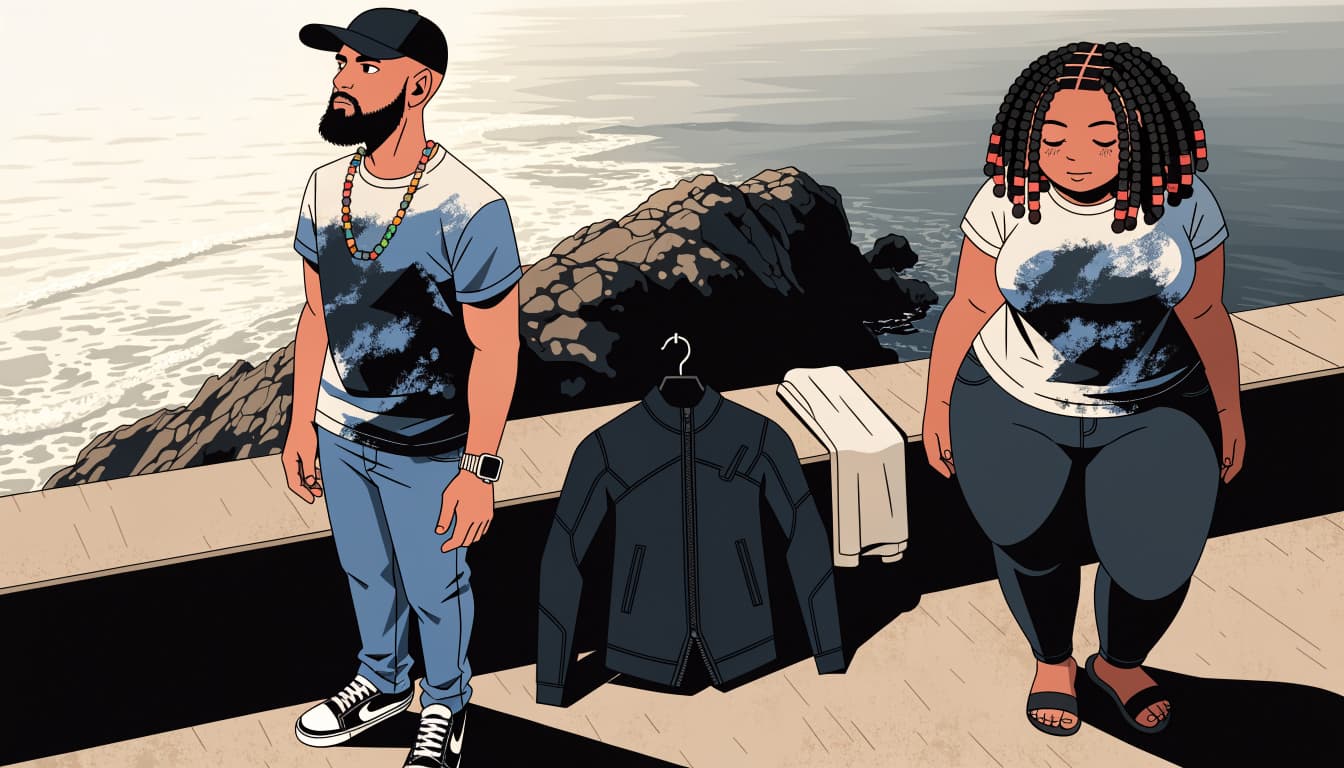
A warmer 4/3 or hooded suit for colder sessions
For more coverage, compare the O'Neill Psycho Tech 4/3mm+ Chest Zip Full Wetsuit with the O'Neill Psycho Tech 5.5/4+ Hooded Chest-Zip Wetsuit. O'Neill defines the "+" as an extra 0.5 mm. The 4/3 listing showed $479.99 on a limited-availability sale, reduced from $599.95. A retailer listed the hooded 5.5/4+ at $609.95. Sale prices and stock can change.
Patagonia's R4 Yulex Regulator Front-Zip Hooded Full Wetsuit is another cold-water option. It has 5.5 mm torso and thigh panels, 4 mm arms and legs, and a stated range of 38 to 48°F. Patagonia provides that temperature guidance for the model, not for every suit with similar thickness. The Inertia's coverage of the Patagonia R4 offers another look at this hooded design.
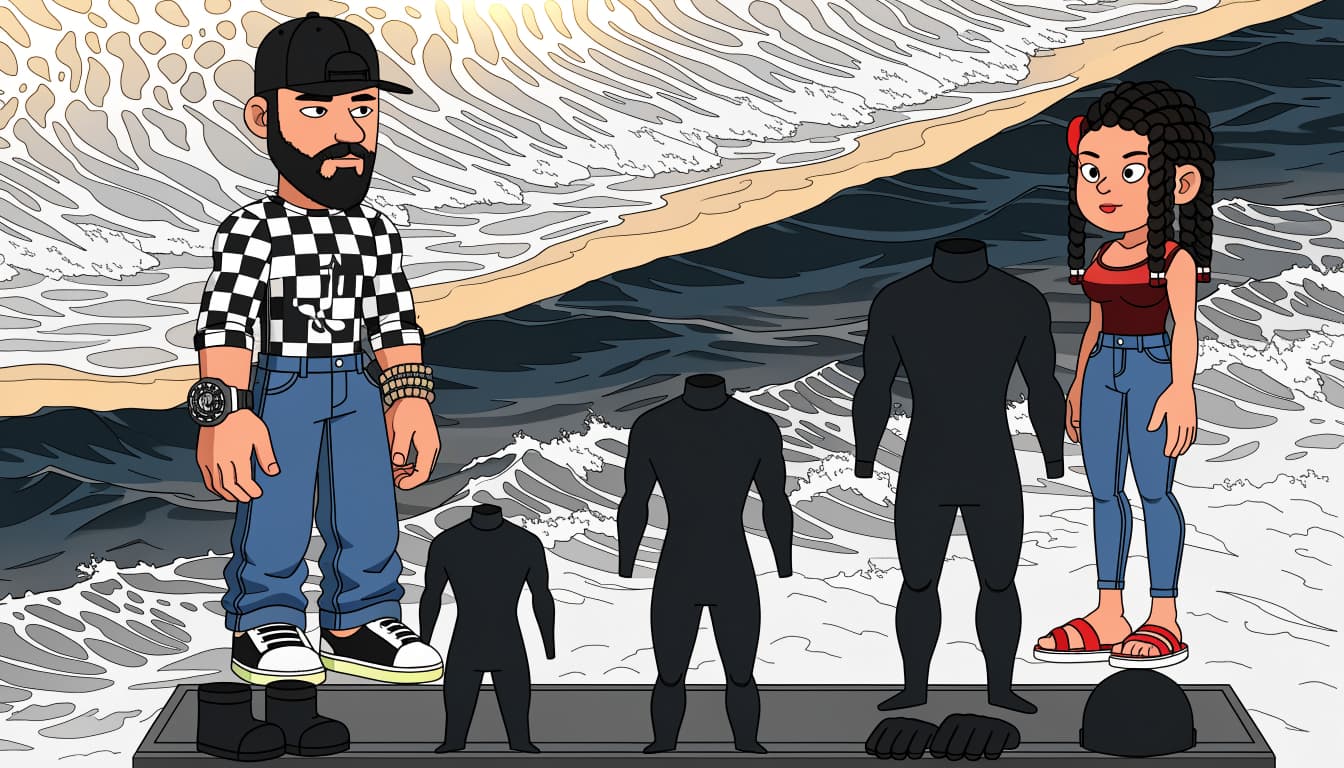
Match wetsuit thickness to your local water temperature
Water temperature is the starting point, but it doesn't get the final vote alone. Wind, session length, your tolerance for cold, and how much time you spend waiting between sets all affect how warm you feel.
Patagonia publishes a wetsuit thickness and temperature guide, and its R4 listing gives a model-specific range. Use brand guidance as a useful reference, then factor in your local break and the whole session. A calm, short surf and a long, windy outing aren't the same assignment.
Understand what 3/2, 4/3, and 5.5/4 mean
The numbers refer to neoprene thickness in millimeters. A 3/2 suit has panels of different thicknesses, as do 4/3 and 5.5/4 suits. The thicker sections can provide more insulation, while thinner sections can leave more room for movement.
That tradeoff matters when you paddle. A thicker suit may feel less flexible, particularly through your shoulders and arms. There isn't a universal temperature band for each thickness that works for every surfer, so use manufacturer guidance alongside your own experience in local water.
Add a hood, boots, or gloves when your whole session needs them
Accessories can cover areas your full suit doesn't, but they aren't a substitute for choosing a suit suited to the conditions. Think about the coldest parts of the session: paddling out, waiting between sets, and getting out of the water.
Your hands still need to work comfortably. Gloves that restrict movement can make paddling harder, so treat mobility as part of the fit. If you're looking at options for other water activities, our guide to layering for cold-water paddleboarding also covers warm layers and accessories.
Compare seams, linings, and zipper styles before you buy
Construction details help you compare suits, but they don't prove one brand is warmer or better than another. Look at each model's specifications and think about what matters for your conditions: seam design, lining, mobility, and how easily you can get in and out.
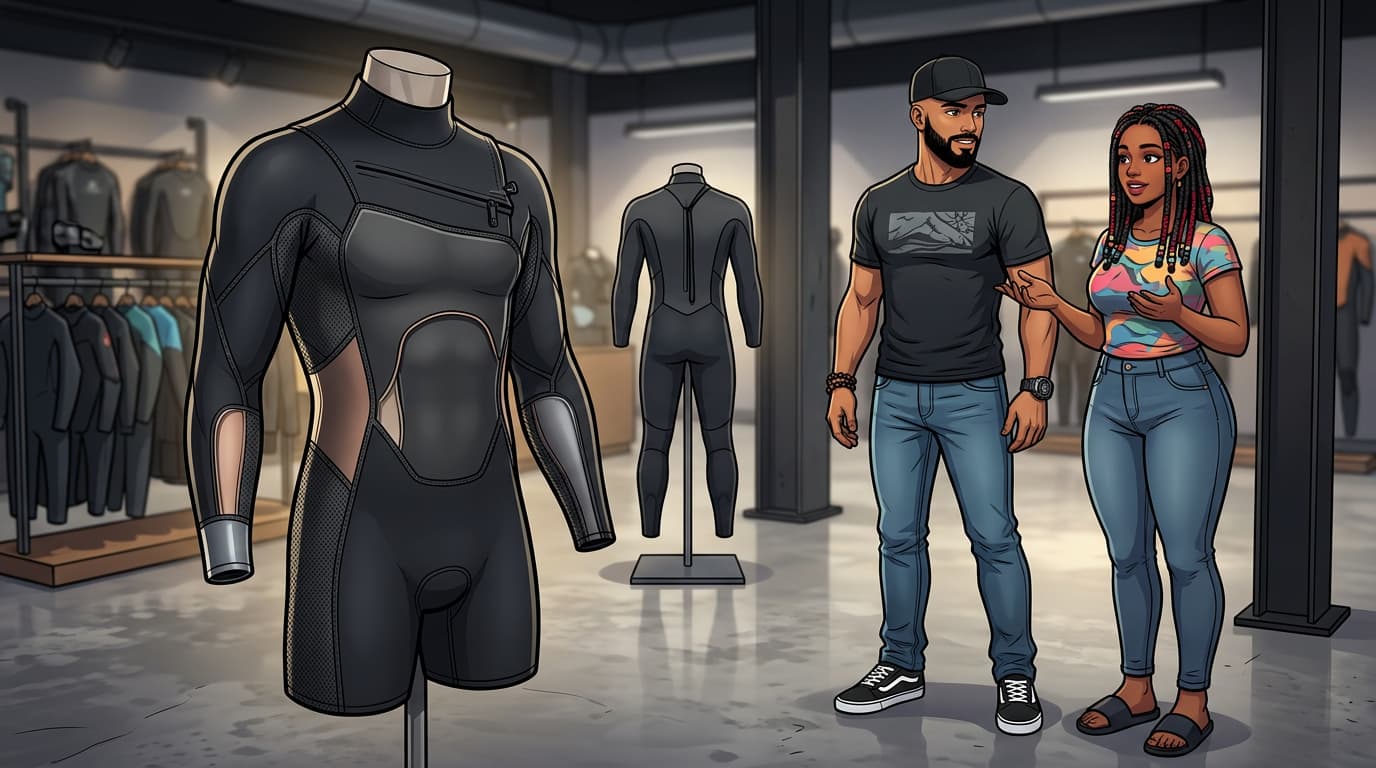
Look for seam construction that suits your conditions
Rip Curl lists 3/4 Fusion dry seams on the Flashbomb 3/2. Seam design can affect water entry and how a suit moves, but the listing doesn't provide quantified comparisons with other seam systems. Treat the feature as one useful point of reference, not a performance ranking.
Balance warmth features with paddle flexibility
The Flashbomb 3/2 listing also names E7 and E6 linings and mesh-skin panels. Those are concrete product details; they don't establish how warm the suit will feel for you. When trying on a suit, check whether you can reach forward and paddle without fighting the shoulders or arms.
Choose a chest zip or another entry style you can manage
The named Rip Curl and O'Neill examples use chest zips. That makes the closure style easy to compare, but it doesn't make a chest zip the right choice for everyone. Consider whether you can enter and exit the suit comfortably, and whether the closure feels good once you're moving.
Get the fit right so your wetsuit stays warm and comfortable
A useful wetsuit fit is close to your body without causing painful pressure or limiting your paddling. Don't assume a size from one brand will match another. Use each maker's own size chart, then try on the suit and move around.
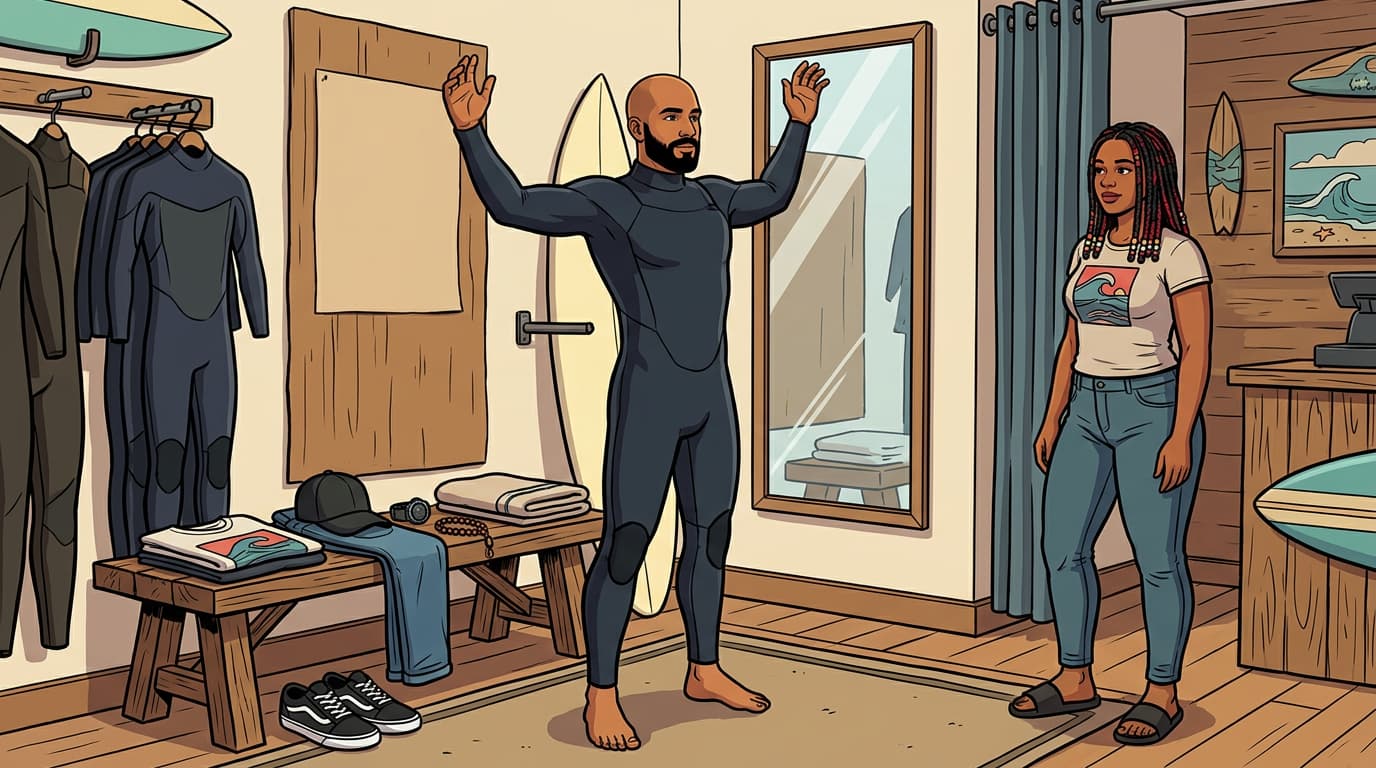
Check the neck, wrists, ankles, shoulders, and lower back
Look for a close seal at the neck, wrists, and ankles, without loose folds or large gaps. The suit shouldn't restrict your breathing, arm reach, or movement. Lift your arms, bend at the waist, and try a slow paddle stroke. Check the lower back and shoulders too; tightness in those areas can become a problem once you're paddling.
How to Rip's video, "Surfing | Which Wetsuit Should You Buy & Use?", covers sizing and fit checks:
Make the price and care work for you
Compare price with fit, construction, and intended conditions. A steep discount doesn't help if the suit doesn't fit or isn't suited to your local water. The observed O'Neill sale price and retailer listing are snapshots, not permanent prices.
For Patagonia R3 and R4 Yulex Regulator suits, the care guidance is to hand wash and drip dry. Don't bleach, iron, or dry-clean them. Follow the care label on whichever suit you buy.
Streetwear & Casual Styling
Once you're out of the water and dry, your outfit can switch from insulation to self-expression. Cotton graphic tees belong on shore, not in cold water and not under a wetsuit.
Build a Cyber-Brutalist Anime Graphic Tee look with dry shorts, a warm layer, and easy footwear for the trip home. Our Updating Our Firmware Tee or Exchange Memes Instead of Emotions Tee can bring the post-session fit back online. Keep the wetsuit and wet gear separate.
Frequently Asked Questions
Is a wetsuit temperature rating a guarantee that I'll stay warm?
No. A manufacturer's suggested range gives you a starting point for that model, but wind, time in the water, activity level, and your cold tolerance still matter. Leave the water if you're getting too cold; a wetsuit doesn't remove cold-water risk.
Can I wear a rash guard under a wetsuit?
A rash guard may help reduce rubbing, but it doesn't replace insulation from a suitable wetsuit. Any layer underneath should fit smoothly and shouldn't bunch up or restrict movement. Check the suit maker's guidance if you plan to add a layer.
Should you buy a wetsuit based on the sale price?
Price matters, but it's only one part of the decision. Compare the suit's thickness and features with your conditions, then make sure the fit works for paddling. Stock and sale prices can change.
How should you care for a wetsuit after surfing?
Follow the suit's care label rather than treating it like an ordinary tee. Patagonia's R3 and R4 Yulex Regulator instructions call for hand washing and drip drying, and say not to bleach, iron, or dry-clean those suits.
Does adding a hood mean you can choose a thinner suit?
A hood adds coverage, but it doesn't automatically make a thinner suit right for your water temperature or session. Choose your suit for the full conditions, then consider accessories as additional protection when needed.
Choose for the Water First
Start with your local water conditions, then find a comfortable close fit. Compare construction and price after those basics are settled.
The right wetsuit is personal, and no suit removes cold-water risk. Choose the one that fits your break, your body, and the time you plan to spend in the water.