

Can You Swim in Big Bear Lake? Beaches, Safety, and Tips
TrendReactTees.STORE TeamYes, you can swim in Big Bear Lake, but where you enter matters. McDill Swim Beach at Meadow Park is the lake's designated seasonal swim beach. Other shoreline spots offer access or wading, but they aren't all monitored swimming areas. Mountain water can also feel colder than a sunny afternoon suggests, so plan for a cautious dip rather than a warm-water marathon.
For the lake-day fit, keep your graphic tee dry until you're back on shore. The Nature Is My Wifi Tee and Nature Is My Therapist Tee work for the drive, picnic, or post-swim hangout. Cotton tee plus cold lake water is a side quest you don't need.
This post may contain affiliate links. If you make a purchase through these links, I may earn a small commission at no extra cost to you.
Key Takeaways
- Swimming is permitted, but not every accessible shore is a designated swim area.
- McDill Swim Beach at Meadow Park is the lake's designated seasonal swim beach.
- Boulder Bay Park offers shoreline access and wading, not a lifeguarded beach.
- Stay within 50 feet of shore, watch for boats, and use a properly fitted life jacket.
- Cold water, changing lake levels, and seasonal access can change your plans.
Big Bear Lake Swimming: Where You Can Safely Get in the Water
Swimming in Big Bear Lake is allowed at your own risk. The clearest choice is McDill Swim Beach inside Meadow Park, a designated seasonal swim area. Elsewhere, public shoreline access doesn't automatically mean you've found an official or monitored swimming spot.
Some visitors swim or wade at other points around the lake, but conditions can vary with lake levels, shoreline shape, signs, and nearby boat traffic. A patch of sand that looks inviting may be narrow, rocky, or close to active watercraft. Treat each access point as its own situation, and stay out if the entry or conditions aren't clear.
Big Bear's visitor guidance says swimmers should stay within 50 feet of shore, or within 20 feet of a private dock. It also warns that swimmers outside the staffed swim beach should expect no lifeguard. Review the Big Bear Lake safety guidance before choosing where to get in, and follow the signs at your specific access point.
Choose the Right Big Bear Lake Beach for Your Swim
Your best spot depends on whether you want a designated swim beach, a place to wade, or a shoreline stop with no promise of lifeguard coverage. These options differ in access and facilities, so don't treat every beach name on a map as a green light for swimming.
McDill Swim Beach at Meadow Park
McDill Swim Beach, also called Swim Beach, is inside Meadow Park on the south shore. Available listings describe sandy shallows, a floating dock, water-play features, restrooms, and free on-site parking. That makes it the most straightforward option if you're planning your day around a designated swimming area.
It operates seasonally, and its dates, hours, staffing, fees, and facilities can change. Don't assume a past schedule is still in effect. Check current San Bernardino County information before heading over, especially if you're traveling specifically for the beach.
Boulder Bay Park for Shoreline Access and Wading
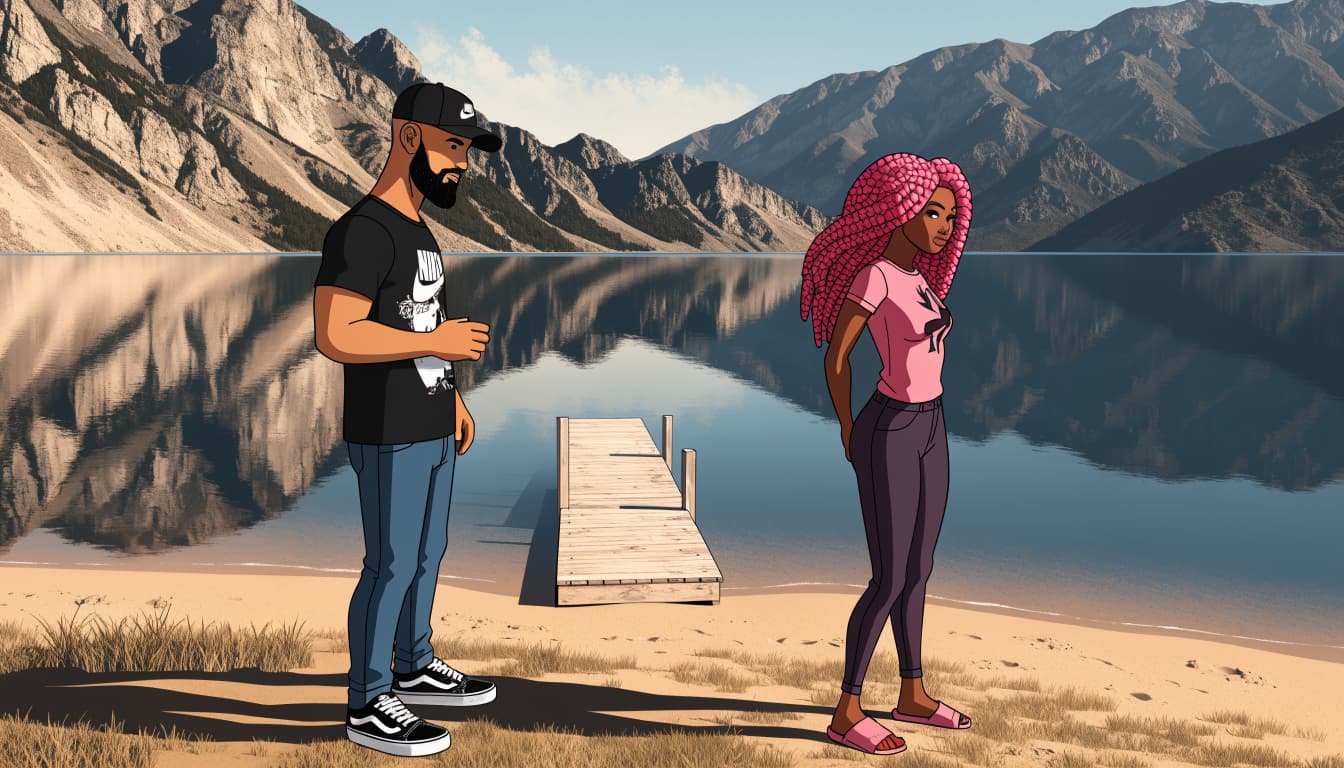
Boulder Bay Park offers public shoreline access and is described as a kayaking and wading spot. It isn't described as a lifeguarded swim beach, so don't plan on the same setup or coverage you might expect at McDill.
The parking area is small, and posted signs may affect where you can go or what activities are allowed. Check the shoreline before entering, stay alert for boats, and follow local signs. A pretty cove is still a lake, not a supervised pool.

Other Shoreline Spots, Including the Beach Near Big Bear Dam
Swimming and wading take place at some other shoreline locations, including a beach east of Big Bear Dam on the north shore. Its size can change as the lake level shifts, so the usable stretch of shore may look different on another visit.
Access alone doesn't make a location designated, monitored, or suitable for every swimmer. If you can't tell whether the entry is safe, or you see signs restricting access, pick another spot.
When to Swim and What to Expect From the Lake
Summer is the most practical season for a swim, but warm air doesn't turn a mountain lake into bathwater. Big Bear is a high-elevation destination, and the water can feel cold even when the sun is out. The lake's level also affects beach size and shoreline access, so the same spot may not offer the same entry each time.
Summer Is the Main Swimming Season
McDill Swim Beach is seasonal, and its operating days and hours may be limited. Plan around current official notices rather than an old listing or a photo from someone's previous trip. The Big Bear swimming information also reminds visitors to stay within their ability and watch for boats.
If you're visiting outside the beach's operating period, don't assume another shore spot is a direct substitute. You'll need to assess access, signs, water conditions, and whether a swim makes sense that day.
Cold Water Can Catch You Off Guard
The weather app reports the air, not how your body will react after entering the lake. Start with a short, cautious entry and give yourself time to adjust. Children and inexperienced swimmers need extra attention, especially if they're tempted to wade farther in than planned.
If you begin to feel cold, get out. Don't turn a casual dip into a test of toughness. The lake has no interest in your personal best.

Stay Safe in Big Bear Lake's Cold, Busy Water
General lake swimming is at your own risk. Outside a staffed swim area, expect no lifeguard. Big Bear visitor guidance says to stay within 50 feet of shore, or within 20 feet of a private dock. Follow signs at your access point, since rules and conditions may differ around private property.
Cold water can affect your ability to swim and make it harder to get back to shore. Boats are another concern, especially when swimmers drift away from the shoreline or enter a busy area. Weak swimming skills, fatigue, and overconfidence can compound the risks. Keep your swim short and close to shore, and don't swim alone.
Use a Life Jacket and Keep Children Close
Wear a properly fitted life jacket, especially if you're a child, an inexperienced swimmer, or not confident in the water. Keep children within arm's reach while they're in or near the lake. Floaties and inflatable toys are recreational gear, not safety equipment.

Watch for Boats and Follow Posted Rules
Stay within the shoreline limits, keep an eye out for boat traffic, and obey posted signs. Don't swim where access is unclear or where boats are launching or passing close by. Private docks and shorelines may have their own restrictions, so don't assume one rule covers every access point.
Know When to Skip the Swim
Stay out if you feel cold, tired, unwell, or unsure about the water or shoreline. Changing lake levels can affect access, and local advisories may affect conditions. A dry day by the lake beats forcing a swim that doesn't feel safe.
Plan Your Swim Day, From Parking to What You Pack
A little prep saves you from arriving at the shore only to discover the beach is closed, the lot is full, or your towel is still at home. Before leaving, check current beach access and hours, plus any fees and parking rules. Facilities, prices, and schedules can change, so don't build your whole day around an old listing.
Pack drinking water, sun protection, a towel, and warm, dry layers for after your swim. Bring a change of clothes and a bag for wet gear. Apply sunscreen before heading out, then reapply every two hours and after swimming, sweating, or toweling off. Don't forget your ears, neck, and the tops of your feet.
Keep your setup simple and pack out all trash. A closed tote makes it easier to carry everything back without leaving a wrapper or wet shirt behind.

Streetwear & Casual Styling
Keep the graphic tee for dry time: before the swim, at lunch, or on the ride home. Shorts and comfortable shoes make an easy lake-day outfit, while a dry layer helps when the air cools down. Change out of wet clothes instead of swimming in cotton. Your tee doesn't need to become a soggy side character.
For a relaxed, slightly offbeat look, the Vacation Plus Therapy Tee pairs naturally with simple shorts and sneakers. The My Cabin Is 404 Tee brings a lo-fi cabin mood to the drive or post-lake hangout. Keep the outfit comfortable, keep the tee dry, and let the lake handle the scenery.
If you're planning another day on the water, these comfortable clothes for a day on the water offer more outfit ideas.
Frequently Asked Questions
Is Big Bear Lake open for swimming?
Swimming is permitted in appropriate areas, but access and conditions vary by location. Check posted rules and current local information before entering, and stay within the stated shoreline limits.
Does Big Bear Lake have a lifeguarded beach?
McDill Swim Beach at Meadow Park is the designated seasonal swim beach, and listings describe it as seasonally staffed. That doesn't guarantee current lifeguard coverage or operating dates, so check the latest County information before you go. At other shoreline spots, expect no lifeguard.
Can you swim at Boulder Bay Park?
Boulder Bay Park offers public shoreline access and wading, but it isn't described as a lifeguarded swim beach. Follow posted signs and assess the water, shoreline, and nearby boat activity before deciding to enter.
Is Big Bear Lake too cold to swim in?
That depends on your comfort and the conditions that day. The water can feel cold even in sunny summer weather, so enter cautiously and leave if you start to feel cold or tired.
Make a Simple Plan Before You Go
A Big Bear Lake swim can be a great part of a lake day when you choose your access point carefully. Check current conditions and beach information, stay close to shore, and take cold water seriously. Pack a towel, dry clothes, and a life jacket when needed. The best plan leaves room to skip the swim if the lake doesn't feel right.