

Biggest Surf Waves in the World: Records vs. Estimates
TrendReactTees.STORE TeamThe biggest surf waves in the world tower above buildings, and a wipeout can be fatal. Your answer depends on authenticated records versus estimates: Nazaré's recognized 86-foot ride holds the Guinness title, while larger claims belong in a separate category.
This post may contain affiliate links. If you make a purchase through these links, I may earn a small commission at no extra cost to you.
For casual surf-watching style, our Code Is Leaking Out Tee and Server Down Soul Calm Tee give you graphic tee options with distinctly terminally-online energy.
Nazaré, Jaws, and Mavericks dominate the giant-wave conversation, while Teahupoʻo and Cloudbreak bring their own reef-powered threats. Before you treat every viral height as an ocean leaderboard update, you need to know what was measured, how, and who recognized it.
Key Takeaways
- Nazaré holds the recognized 86-foot record, surfed by Sebastian Steudtner in 2020 and authenticated in 2022.
- Larger claims include 93.73-foot, 97.37-foot, and 108-foot estimates, each separate from the Guinness record.
- Maya Gabeira's 73.5-foot Nazaré ride received women's world-record recognition in 2020.
- Jaws, Mavericks, Teahupoʻo, and Cloudbreak have different conditions, wave shapes, and hazards.
- Camera perspective and measurement methods affect reported heights. Power, shallow reefs, and hold-downs matter beyond the headline number.
What are the biggest surf waves in the world?
As of November 2026, the recognized Guinness benchmark is Sebastian Steudtner's 86-foot (26.21-meter) ride at Nazaré, Portugal. You're comparing authenticated ridden waves here, rather than every enormous wave the ocean produces.
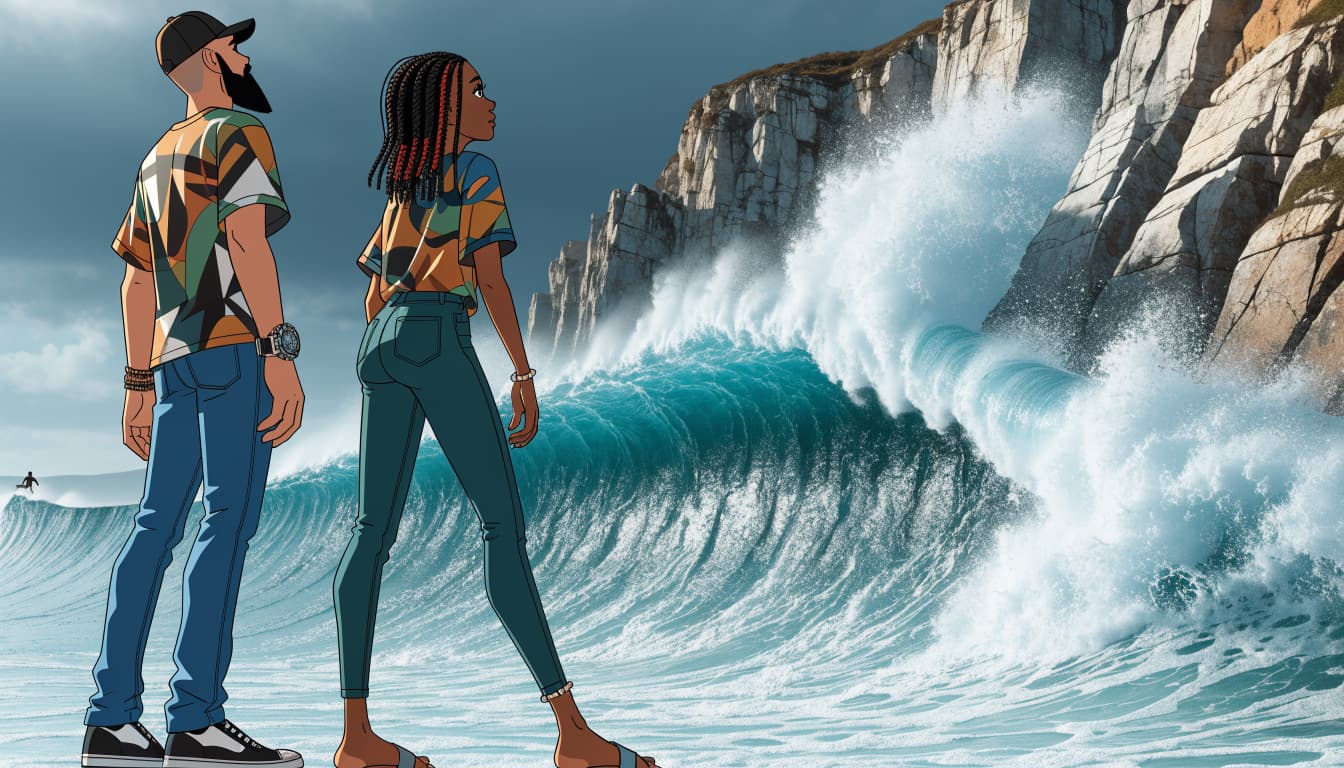
Nazaré holds the recognized biggest-wave record
Steudtner caught the wave at Praia do Norte on October 29, 2020. Guinness recognized the achievement in 2022, after an 18-month review involving the World Surf League and scientists.
The Guinness record listing gives you the authenticated height and ride date. That distinction matters: October 2020 was the surf session; 2022 was the recognition.
How disputed estimates compare with the official mark
A different Steudtner ride in February 2024 received a 93.73-foot estimate through drone technology developed by Porsche Engineering and his team. That figure didn't replace the recognized Guinness mark.
A study reported in 2025 estimated Vini dos Santos's February 25, 2022, Nazaré ride at 97.37 feet. It remained a study-based claim without Guinness recognition.
At Mavericks, the Mavericks Rescue Team estimated Alessandro Slebir's December 23, 2024, ride at 108 feet. That also wasn't a confirmed world record. You can't rank these numbers as interchangeable results when their methods and recognition differ.
The biggest waves ridden by women
Maya Gabeira rode a 73.5-foot (22.4-meter) wave at Nazaré on February 11, 2020. It received recognition as the women's record that year.
The World Surf League's Gabeira profile documents the achievement. Comparisons with Justine Dupont's ride from the same day also prompted measurement debate. Even extraordinary rides need careful analysis before you can compare their heights.
Where you can find the world's biggest surf waves
You won't find one universal giant-wave experience. Each break has its own seabed, exposure, and wave shape, which changes the challenge.
Nazaré, Jaws, and Mavericks bring very different challenges
Nazaré's underwater canyon helps create exceptionally large surf at Praia do Norte. Powerful winter swells produce the towering faces behind its record reputation. Those record sessions are exceptional conditions, not a daily attraction operating on theme-park hours.
At Jaws, also called Peʻahi, on Maui, major winter swells generate huge breaking waves. Yuri Soledade's February 25, 2016, ride appears in surfing-record compilations at 71 feet. Treat that as a prominent measured listing, rather than a replacement for Nazaré's authenticated overall record.
Mavericks, near Half Moon Bay, California, adds cold water to a powerful reef-break setting. Slebir's 108-foot estimate belongs to one particular 2024 ride. It doesn't describe ordinary Mavericks conditions or establish a confirmed world record.
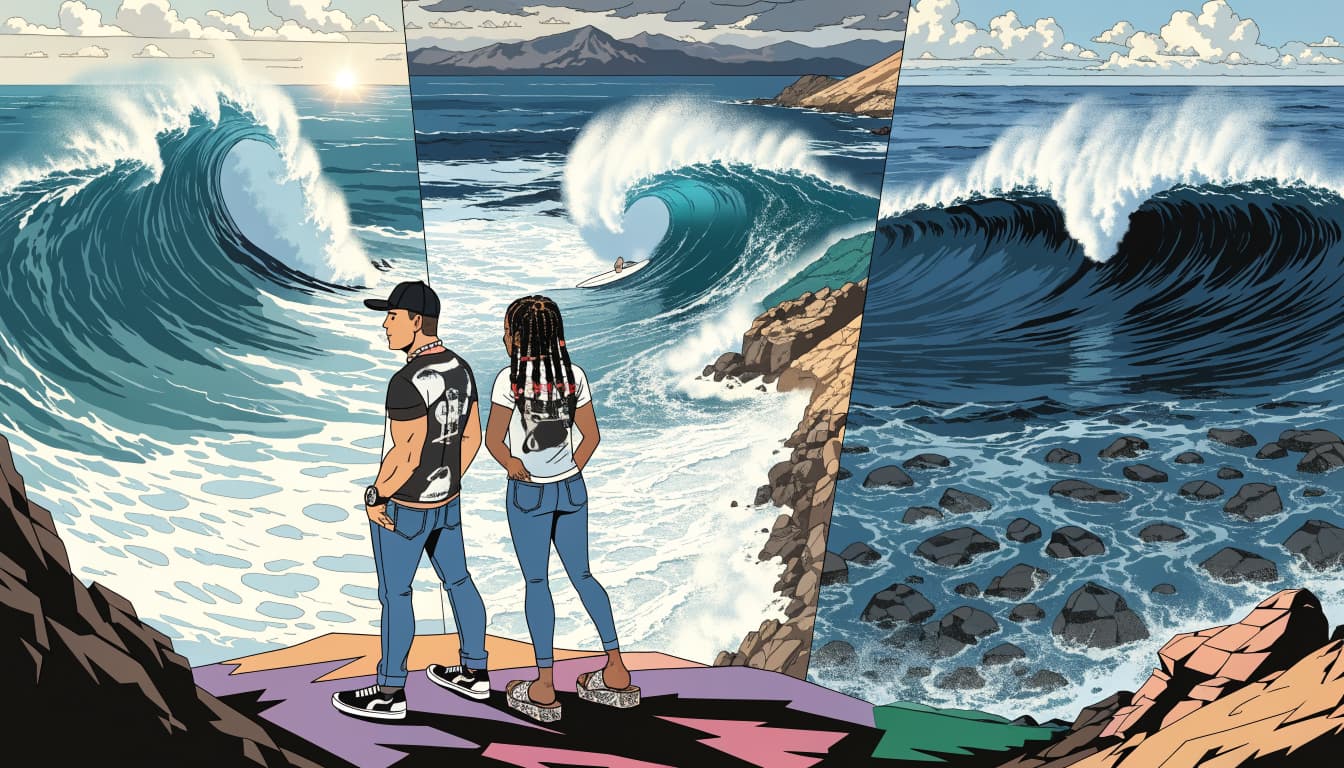
Teahupoʻo and Cloudbreak are known for power
Teahupoʻo, in Tahiti, is feared for its thick, heavy barrel over shallow reef. If you judge danger only by vertical height, you'll miss much of what makes this wave intimidating.
Cloudbreak, near Tavarua in Fiji, is another major reef break. Kima Surf's spot guide describes large surf around 20 feet, with occasional waves near 30 feet. Those are general spot estimates, not certified record measurements.
Your useful comparison includes more than height: how the wave breaks, what lies beneath it, and what happens after a fall. A smaller number doesn't automatically mean a gentler wave.
Why giant-wave records are difficult to compare
When you compare the biggest surf waves in the world, you're often comparing different measurement systems. A photograph, a calibrated video analysis, and a drone estimate don't automatically describe the same thing.
A wave also changes throughout its ride. You need a defined crest, a defined trough, and a selected moment. Move any of those reference points and the reported height can change.
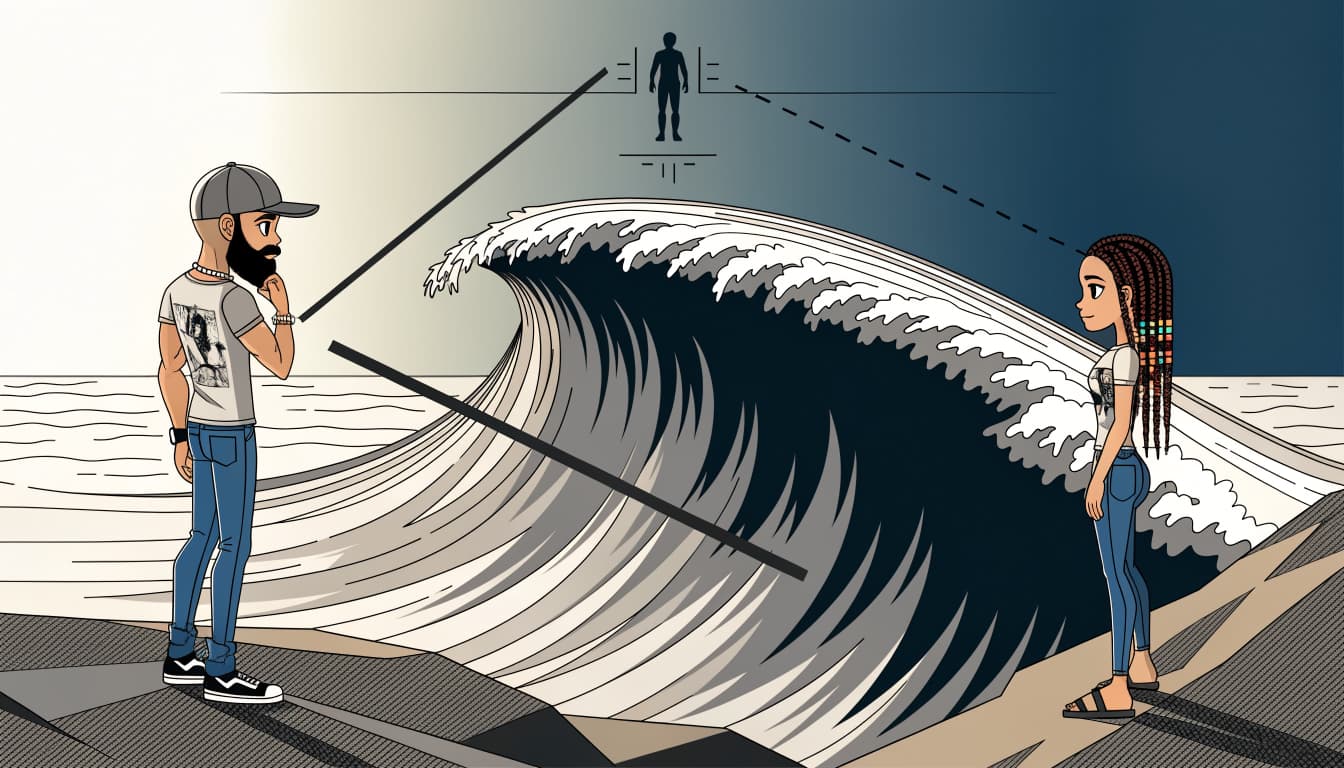
Camera position adds another problem. An oblique view can distort apparent proportions, while water and spray can obscure the wave's base. Your eyes are excellent at recognizing "absolutely enormous." They're less reliable as survey equipment.
Analysts may use the surfer's body as a known reference. For Steudtner's authenticated ride, his lower leg helped establish scale. But posture, perspective, and whether reference points share the same plane still matter.
The World Surf League's 2020 wave-height analysis shows how technical these comparisons become. SurferToday also explains professional big-wave measurement methods through the Gabeira and Dupont comparison.
A height reported to two decimal places can still be an estimate. Numerical precision doesn't establish record recognition.
When you read a claim, look for the ride date, measurement method, and recognition status. Without those, a dramatic number gives you excitement but little basis for comparison.
What makes big-wave surfing so dangerous?
A giant-wave wipeout can drive you underwater, disorient you, and keep you submerged through a long hold-down. Another breaking wave may arrive before you recover. Drowning is a real risk.

At reef breaks, you also face impact with the reef or seabed. Cold water, powerful currents, and difficult rescue conditions add complications at places such as Mavericks.
These breaks demand trained specialists, preparation, and coordinated support. Being comfortable at your local beach break doesn't prepare you for a giant Nazaré session. Your confidence doesn't come with a respawn button.
For spectators, the sensible role is shore-based observation from permitted, protected areas. Keep clear of exposed edges and dangerous water, and follow local safety advice.
The World Surf League's "The History Of Big Wave World Records At Nazaré | TUDOR Nazaré Big Wave Challenge" puts the record-setting rides in context. Watch the footage with the measurement distinction in mind: spectacular scale and authenticated height are related, but separate, questions.
Streetwear & Casual Styling
Once you're away from the spray, your outfit can stop pretending it has maritime responsibilities. Build a relaxed surf-watching look around a Cyber-Brutalist Anime Graphic Tee, jeans, and casual skate shoes.
Our Updating Our Firmware Tee works with dark denim and black-and-white sneakers. For another graphic direction, pair our Free Love Cyberpunk Tee with blue jeans and a simple overshirt. Let the artwork carry the outfit. Your accessories don't all need their own anime opening sequence.
Keep the distinction clear: graphic tees are casual clothing, not technical surf gear. Our paddleboarding outfit guide also separates on-water clothing choices from the dry-clothes portion of your day.
Add a weather-appropriate outer layer for coastal wind. Looking good is easier when you're not shivering through the entire swell.

Frequently Asked Questions
Where is the biggest wave ever surfed?
For the recognized Guinness record, your answer is Praia do Norte in Nazaré, Portugal. Sebastian Steudtner's 86-foot ride holds that distinction as of November 2026. Larger estimates at Nazaré and Mavericks have different recognition statuses.
How tall was the biggest officially recognized surf wave?
The authenticated height was 86 feet, or 26.21 meters, surfed by Sebastian Steudtner in 2020. Guinness's 2022 recognition announcement separates the award date from the ride date. You'll see both years attached to the achievement for that reason.
Can you visit Nazaré to watch giant waves?
You can watch from shore when conditions and local access allow. Giant surf depends on weather and swell, so a visit doesn't guarantee a record-scale session. Respect barriers and local safety advice, and stay clear of exposed edges and dangerous water.
Are 100-foot surf waves real?
Some surfed waves have received estimates near or above 100 feet, including Slebir's 108-foot Mavericks claim. That doesn't give you an authenticated 100-foot ridden-wave record. The distinction concerns evidence and recognition, rather than whether a photograph looks convincingly enormous.
Read the Record, Respect the Wave
Nazaré gives you the recognized benchmark: Sebastian Steudtner's 86-foot ride, surfed in 2020 and authenticated in 2022. The higher figures attached to Steudtner, Vini dos Santos, and Alessandro Slebir remain estimates or disputed measurements rather than replacements for that Guinness title.
You can appreciate those rides without giving every headline the same status. Keep the method, date, and recognition attached to each number.
Above all, remember what height leaves out. A towering face, a thick reef-breaking barrel, and a prolonged hold-down present different dangers. The ocean's power doesn't fit neatly into one statistic.