

Can You Swim in Florida Lakes? A Safety Guide
TrendReactTees.STORE TeamYes, you can swim in some Florida lakes, but only where swimming is allowed and conditions are safe. Rules, water quality, and hazards vary by lake and access point, so don't treat an inviting patch of water as a green light.
Before you head out, check the exact swimming area and current local notices. Pack dry clothes for afterward, too: our Nature Is My WiFi Tee and Nature Is My Therapist Tee are casual lake-day options, not swimwear.
This post may contain affiliate links. If you make a purchase through these links, I may earn a small commission at no extra cost to you.
Key Takeaways
- You can swim only where the specific lake access point permits it.
- Choose a marked swimming area, go in daylight, and follow posted rules.
- Check county health notices and Florida's water-quality map before you go.
- Avoid water with a visible algae bloom or an active health alert.
- Keep children supervised, stay well away from wildlife, and leave the water if conditions change.
Can You Swim in Florida Lakes? Yes, but Check the Rules
The answer to "can you swim in Florida lakes" depends on the lake and the exact place you plan to enter. A lake may have a designated swimming beach while other shorelines are not approved for swimming. Follow posted signs and local rules, and don't assume that a boat launch, fishing bank, or quiet stretch of sand is open to swimmers.
Choose a marked swimming area and go during daylight. The Florida Fish and Wildlife Conservation Commission (FWC) gives this advice because alligators live in many Florida waters and are most active at dusk and night. Its alligator safety guidance also says to keep your distance and never feed one.
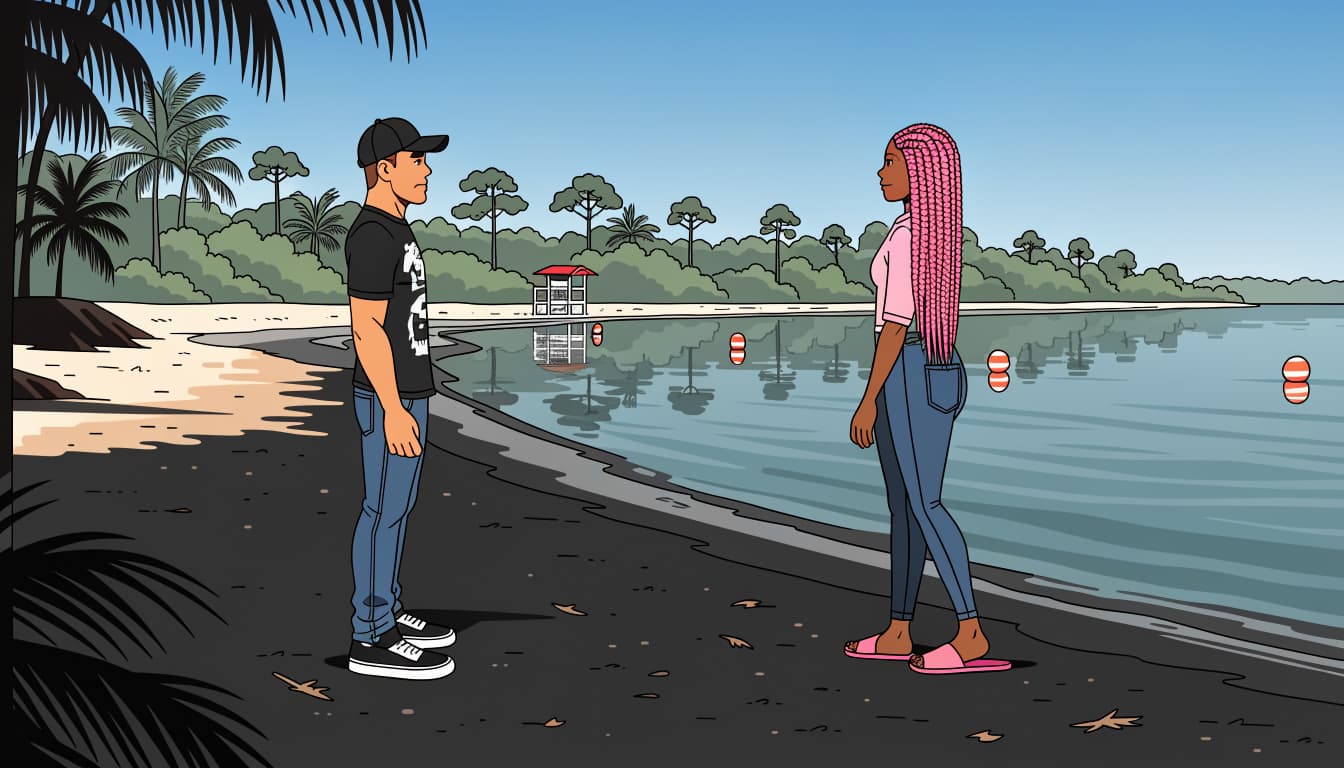
A designated area is a better choice than an unmonitored shoreline, but it isn't a force field. Wildlife can still be nearby, and water or weather conditions can change. Read the signs when you arrive, stay inside the permitted area, and leave if a closure or warning is posted.
How to Check Florida Lake Water Quality Before You Swim
Make checking conditions part of your lake-day routine. A quick look at the water is useful, but it can't tell you everything, since harmful blue-green algae toxins may not be visible. Check official notices before leaving and again when you arrive.
Check signs, county notices, and the state map
Start with posted signs at the access point. Then look for current notices from the county health department for that lake or nearby sampling location. Florida's Protecting Florida Together water-quality information includes state water-quality data and algae information.
Treat map results as location-specific snapshots, not a guarantee about the whole lake. A sample represents a particular place and time, and a missing marker doesn't prove the water is safe. County notices can also cover a specific shoreline or sample point rather than every part of a lake.

Know what to do about a possible bloom
Blue-green algae, also called cyanobacteria, can occur in freshwater. Avoid contact with water where you see a bloom or where an active health alert applies. The Florida Department of Health's algae information explains where to find health notifications and who to contact about suspected blooms.
A visible bloom can look like paint, scum, or discolored water, but appearance alone can't confirm what's present. Report a suspected bloom at ReportAlgalBloom.com or call the Florida Department of Environmental Protection hotline at 1-855-305-3903. The state's algal bloom contacts provide reporting details.
Florida Lake Hazards You Should Plan For
Florida lake swimming can be enjoyable, but natural water isn't a controlled pool. Wildlife, uneven footing, weather, and drowning risks deserve practical attention, not panic. Stay in permitted swimming areas, pay attention to your surroundings, and keep an exit plan in mind.
Wildlife and slippery shorelines
Alligators and other wildlife may be present near lakes. Keep a safe distance, never feed an alligator, and keep pets leashed and away from the water. Don't swim near wildlife, and don't approach the water's edge to get a closer look or a better photo.
Shorelines can be slippery, muddy, or uneven beneath the surface. Enter only where swimming is allowed, move carefully, and avoid diving into water when you can't see the depth or what's below. Children need an attentive adult within reach, not a quick glance between phone notifications.

Weather, supervision, and water activities
Florida weather can shift quickly. Leave the water at the first sign of thunder or lightning, then take shelter in an enclosed building or hard-topped vehicle. Don't swim after dark or alone; having another person nearby can make a serious situation easier to respond to.
A properly fitted life jacket matters for boating and other open-water activities. It doesn't make an unapproved swimming area safe, replace adult supervision, or override posted rules. Keep swimming decisions simple: follow the signs, stay where you can get out easily, and end the swim when conditions feel uncertain.
How to Choose a Safe Florida Lake Swimming Spot
Start with a managed swimming beach or official recreation area rather than an unfamiliar, unmonitored shoreline. A marked swimming area gives you a clear place to enter and tells you that swimming is permitted there. It doesn't guarantee that water quality is checked on a schedule or that every hazard is absent.
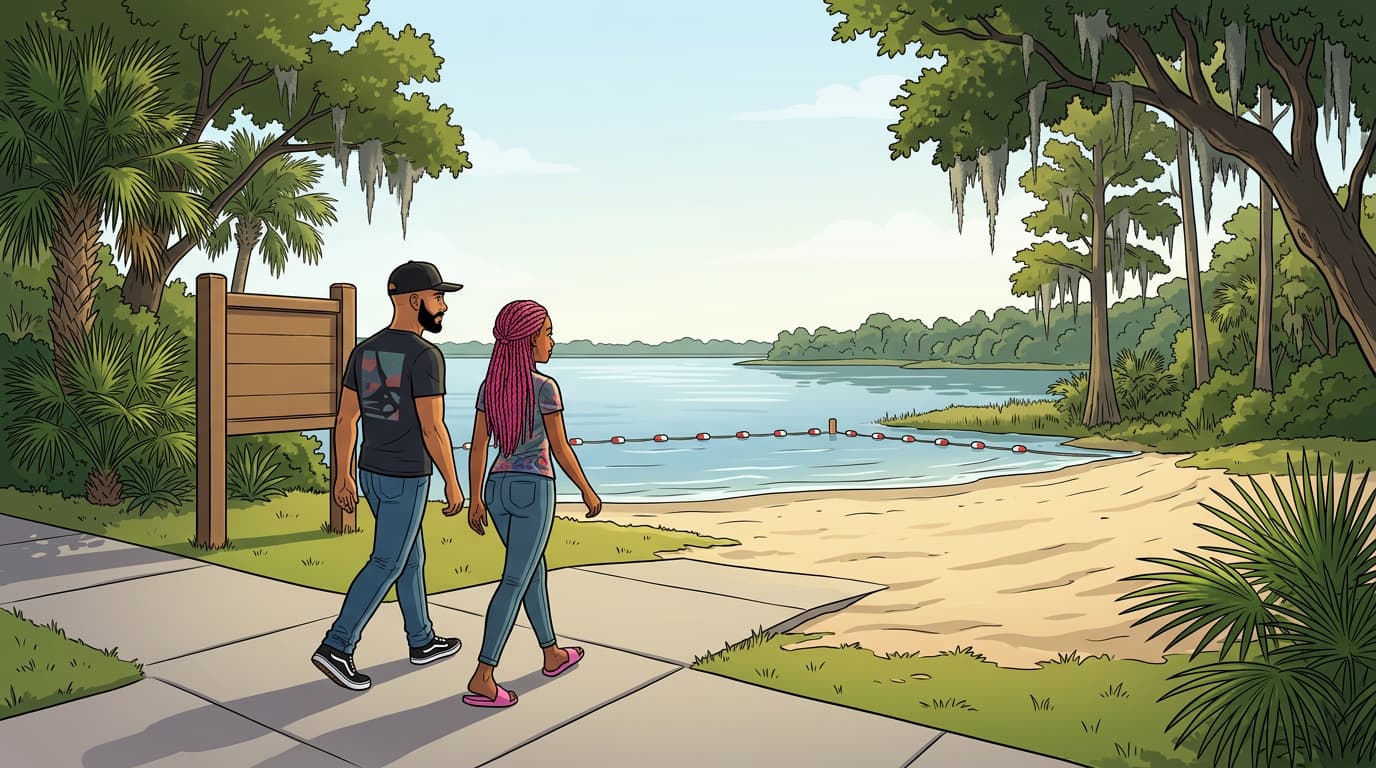
Before you leave, use this quick sequence:
- Confirm swimming is allowed at the exact access point, not merely somewhere on the lake.
- Check the site's hours, posted rules, and any temporary closure notice.
- Review county health notices and Florida's water-quality information for relevant alerts.
- When you arrive, look for new signs, visible blooms, changing weather, or unsafe footing.
Lake Okeechobee is a good reminder to think in locations, not sweeping labels. In July 2026, Martin County issued a health alert for a specific area after sampling. That notice did not describe every part of the lake. Check the current notice for the place you're visiting, and don't assume that one alert makes the entire lake either safe or unsafe.
If you can't confirm that swimming is allowed or understand a warning, choose another site or postpone the swim. There are plenty of ways to salvage a lake day without improvising your own safety rules.
Streetwear & Casual Styling
Graphic tees belong on the drive, picnic blanket, or post-swim change, not in the water. For a lake-day fit, build around Cyber-Brutalist Anime Graphic Tees, then add comfortable shorts, secure shoes, and a dry layer for breezy weather. Keep actual swimwear and protective clothing in the swim plan.
Our Nature Is My Group Chat Tee and Leave No Trace Tee make easy dry-land picks. Pack them with your towel so the anime energy gets its post-swim entrance, not a soggy one. For more ideas on changing into casual clothes after time on the water, see our paddleboarding outfit tips.
Frequently Asked Questions
Are Florida lakes safe to swim in year-round?
There isn't one season that makes every Florida lake safe or unsafe. Your decision depends on water quality, weather, local rules, and the specific swimming area on the day you visit.
Can you swim in a Florida lake if you see an algae bloom?
No. Avoid contact with affected water and follow any county health notices, since harmful toxins may not be easy to see. Don't let clear-looking water nearby persuade you to ignore an active alert.
Are alligators a reason to avoid every Florida lake?
Alligators live in many Florida waters, but that doesn't mean you must avoid every lake. Follow posted guidance, swim only in designated areas during daylight, keep your distance, and never feed them.
Where can you find current Florida lake swimming alerts?
Check county health department notices and Florida's Protecting Florida Together water-quality information. Look again before you go and when you arrive, since a notice can apply to a particular location or sample rather than an entire lake.
Make the Lake-Day Call Before You Get In
A lake can look calm and still have rules or conditions that make swimming a bad call. Swim only where it's allowed, check current notices, and leave the water if signs, blooms, or alerts raise concern.
If you can't confirm that the spot is open and conditions are acceptable, pick another site or postpone. A dry shirt and a different plan beat turning a lake day into a side quest nobody wanted.