

Dead Sea Swimming: How to Float Safely
TrendReactTees.STORE TeamYes, you can float in the Dead Sea, and its unusually salty water makes staying buoyant feel almost effortless. But dead sea swimming is not like swimming in a pool or ocean: regular strokes are awkward, and floating does not make drowning impossible.
A better plan is simple: ease in slowly, float on your back, keep your face out of the water, and rinse with fresh water afterward. You'll also want to know which beaches have lifeguards and rinse facilities before you go. Graphic tees belong on dry land after your swim, so you could pack a Nature Is My Only Group Chat Tee or a Nature Is My Wifi Tee for the change of clothes.
This post may contain affiliate links. If you make a purchase through these links, I may earn a small commission at no extra cost to you.
Key Takeaways
- The Dead Sea's dense, salty water helps you float, but it doesn't remove drowning risks.
- Enter slowly, float on your back, and keep brine away from your eyes and mouth.
- Beach facilities differ. Ein Bokek Central Beach in Israel is a free public bathing beach with lifeguards.
- Bring a swimsuit, secure footwear, fresh water for rinsing, sun protection, and dry clothes.
- In Jordan, check local weather notices during the October-to-March flash-flood season.
Dead Sea Swimming: Why You Float and What It Feels Like
The Dead Sea's salinity is roughly five to nine times that of ocean water, according to NOAA. Dissolved salt makes the water much denser than ordinary seawater, so it pushes your body upward with strong buoyant support. You can lean back and float without having to paddle hard.
That buoyancy isn't a force field. You can still drown if you lose control, go face-down, or get water into your airways. The Dead Sea floating safety rules explain why a calm back-float is safer than trying to swim as you normally would.
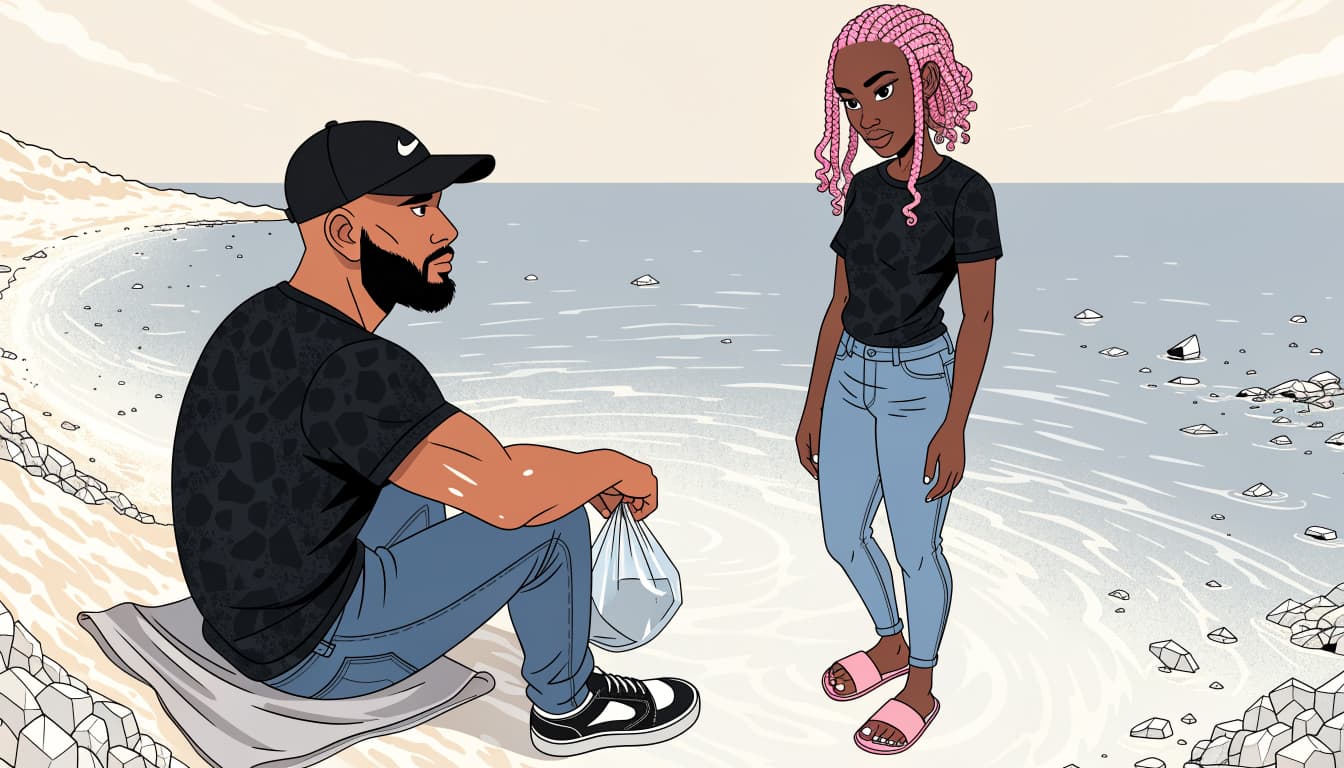
The water can feel slick and strange against your skin. Its buoyancy may tip or rotate you if you kick or reach suddenly, so don't expect your usual strokes to work well. Walk in gradually, sit in shallow water, then lean back slowly. Let the water support you instead of trying to swim through it.
How to Stay Safe in the Dead Sea
The main rule is to keep the water off your face. Brine in your eyes or mouth can sting intensely, and even a small splash can turn a calm float into a very unpleasant speedrun.
Keep your movements slow and controlled
Enter gradually at a designated bathing area. Once you're in shallow water, sit before leaning back into a float. Stay on your back with your face above the surface, and avoid sudden kicks or arm movements that could turn you over.
Never dive, jump, swim face-down, or splash. If wind, crowds, or your own balance make it hard to control your position, leave the water. The extra buoyancy helps you float, but it doesn't replace attention or supervision.
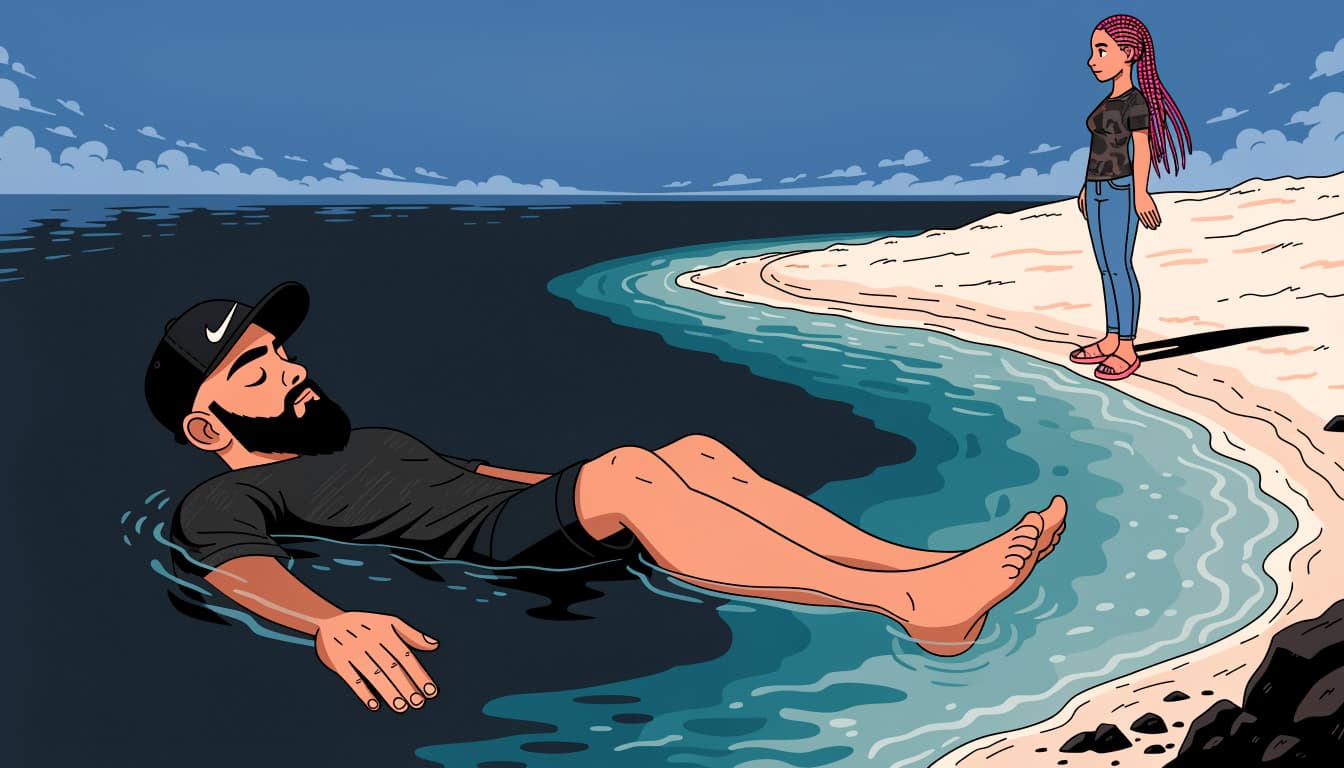
Protect your eyes, mouth, and skin
If brine gets in an eye, get out and rinse promptly with plenty of clean, gently flowing fresh water. Don't rub; salty hands can make the irritation worse. Avoid swallowing the water, and don't touch your eyes with wet hands.
Cuts, freshly shaved skin, and other irritated areas may sting. Skip the swim if you have an uncovered wound or skin that's already irritated. There's no single time limit that applies at every beach, so follow posted rules and get out sooner if you feel dizzy, nauseated, weak, unusually hot, or unable to stay in control.
Keep children within close reach and prevent splashing or face immersion. If water reaches a child's eyes, help them leave and rinse with fresh water. For more practical precautions, see these Dead Sea water safety tips.
Where You Can Float in the Dead Sea
Access and facilities depend on the beach you choose. Israel's Ein Bokek Central Beach offers a clear public option, while Jordan's Dead Sea Tourist Beach has ticketed access and changing redevelopment details.
Israel: Ein Bokek Central Beach
Ein Bokek Central Beach is a free public bathing beach maintained by the Tamar Regional Council. Listed facilities include lifeguards, showers, changing rooms, toilets, shade, and an accessible route toward the water. Chairs and umbrellas are also available. The beach itself is free, though parking may cost extra.
Published lifeguard hours are 7 a.m. to 6 p.m. in summer and 7 a.m. to 4 p.m. in winter. Weather, holidays, and local decisions can affect service, so enter only when lifeguards are on duty and check same-day hours. See the details for Ein Bokek Central Beach and Ein Bokek's seasonal beach hours.

Jordan: Dead Sea Tourist Beach
Dead Sea Tourist Beach, formerly known as Amman Beach, has reported ticket options. October 2026 listings for foreign, non-Arab visitors showed JOD 10 for basic entry without swimming, JOD 20 with access to the bathing area, and JOD 30 for swimming plus lunch. Those are reported listings, not guaranteed current prices; redevelopment may change the options.
Don't assume every Jordanian beach has the same facilities or freshwater rinse access. Check current entry and operating information before setting out. Jordan's rainy season runs from October through March, and heavy rain can trigger flash floods in the Dead Sea area. Follow current local weather and safety notices, especially during that season.
What to Bring and How to Prepare for Your Visit
Pack for a short swim, a salty rinse, and a comfortable change afterward. A small bag with the basics beats discovering you have no water to rinse your face while standing on a very salty beach.
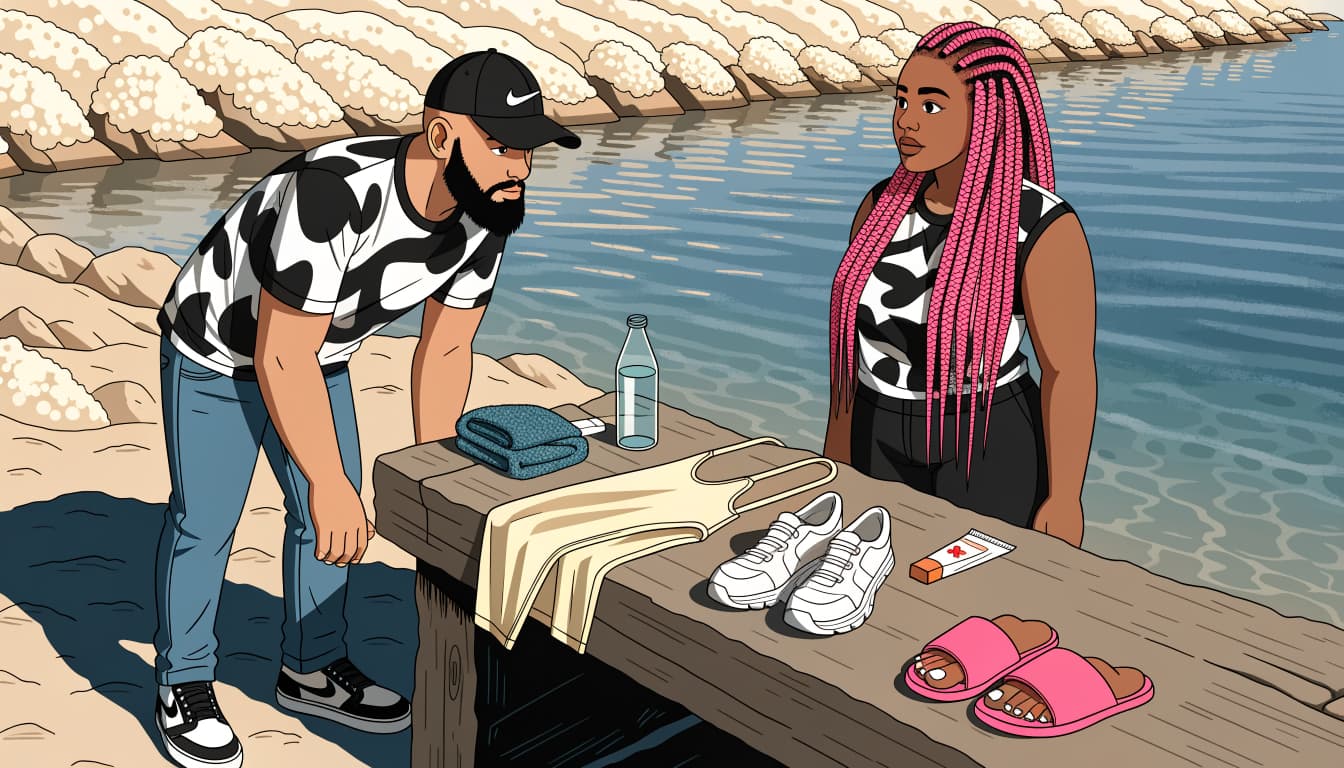
Bring:
- A swimsuit and sandals or water shoes for the shore. Secure footwear helps protect your feet on rough or slippery ground.
- Fresh water for rinsing if you haven't confirmed that showers are available, plus drinking water for yourself.
- A towel, sun protection, and dry clothes for afterward.
Salt can sting small cuts, and wet, salty skin may feel uncomfortable once you're out of the water. Before leaving, check the beach's rules, lifeguard hours, access fees, weather, and freshwater rinse options. At a Jordanian Dead Sea beach, pay particular attention to local weather notices during the October-to-March flood-risk period.
Streetwear & Casual Styling
Cotton graphic tees are dry-land gear. Rinse off, change, then build a casual look around a clean Cyber-Brutalist Anime Graphic Tee with comfortable shorts or jeans. The artwork gets to be the main event, and the brine stays where it belongs.
A dry Updating Our Firmware Tee or Reading Total System Crash Tee can work as the focal point. Keep your wet swimsuit and towel separate from your clean outfit. For another take on casual outfits after paddleboarding, the same dry-first rule applies.
Frequently Asked Questions
Can you float in the Dead Sea if you can't swim?
The water's buoyancy makes floating easier, but it doesn't make the experience safe for someone who can't keep their face above water or control their position. Choose a lifeguarded beach, stay in shallow water, and follow its rules. Don't treat buoyancy as a substitute for swimming ability or supervision.
Is Ein Bokek's bathing water the open Dead Sea?
One visitor guide identifies Ein Bokek's bathing area as Pond 5, an evaporation pond associated with mineral works, rather than the open northern Dead Sea. That detail applies to the specific site, not every Dead Sea beach. Follow the local beach's markers and instructions.
Are freshwater showers available at every Dead Sea beach?
No, facilities vary by beach. Ein Bokek lists showers, but you shouldn't assume another shoreline has rinse stations. Bring fresh water if your chosen access point's facilities aren't confirmed.
What should you do if you swallow Dead Sea water?
Leave the water and alert a lifeguard or beach staff. Rinse your mouth with fresh water, and seek prompt medical advice if you feel unwell or swallowed more than a tiny amount.
Can you swim in the Dead Sea during Jordan's rainy season?
The rainy season is October through March, when heavy rain and flash floods can affect the Dead Sea area. Check local weather and safety notices before you go, and don't enter or remain in an area under a flood warning.
Make the Float a Careful One
The Dead Sea's salt makes floating easy, but it doesn't make the water harmless. Enter slowly, keep your face above the surface, and rinse with fresh water afterward. Those basics matter whether you visit a staffed beach in Israel or a ticketed bathing area in Jordan.
Check the chosen beach's current rules, lifeguard hours, and conditions before you leave. Then pack a dry change of clothes for afterward, because your cotton tee deserves a land-based comeback.