

Dirt Bikes for Teens: Fit, Safety, and Riding Choices
TrendReactTees.STORE TeamThe right dirt bike for your teen depends on height, experience, control, and where they plan to ride, not age alone. Choose a bike they can manage now, then plan for proper gear, adult supervision, local rules, and the ongoing costs of riding.
Graphic tees like our Actively Trying Not to Lose My Mind Tee and Emotional Support Gremlin Tee are for after the ride. They're casual apparel, not protective gear. The first decision is finding a bike your teen can handle with confidence.
This post may contain affiliate links. If you make a purchase through these links, I may earn a small commission at no extra cost to you.
Key Takeaways
- Choose by fit, riding skill, and intended use, not age or engine size alone.
- Trail bikes and motocross racers have different performance and maintenance demands.
- A helmet, boots, and full protective gear belong on every ride.
- Budget for gear, transport, fuel, parts, service, taxes, and dealer charges.
- Local age, training, supervision, and riding-area rules vary.
Choose a Dirt Bike That Fits Your Teen, Not Just Their Age
A dirt bike that looks like room to grow can quickly become too much bike to control. Start with fit and low-speed handling, then consider what your teen has ridden before and where they'll ride next.
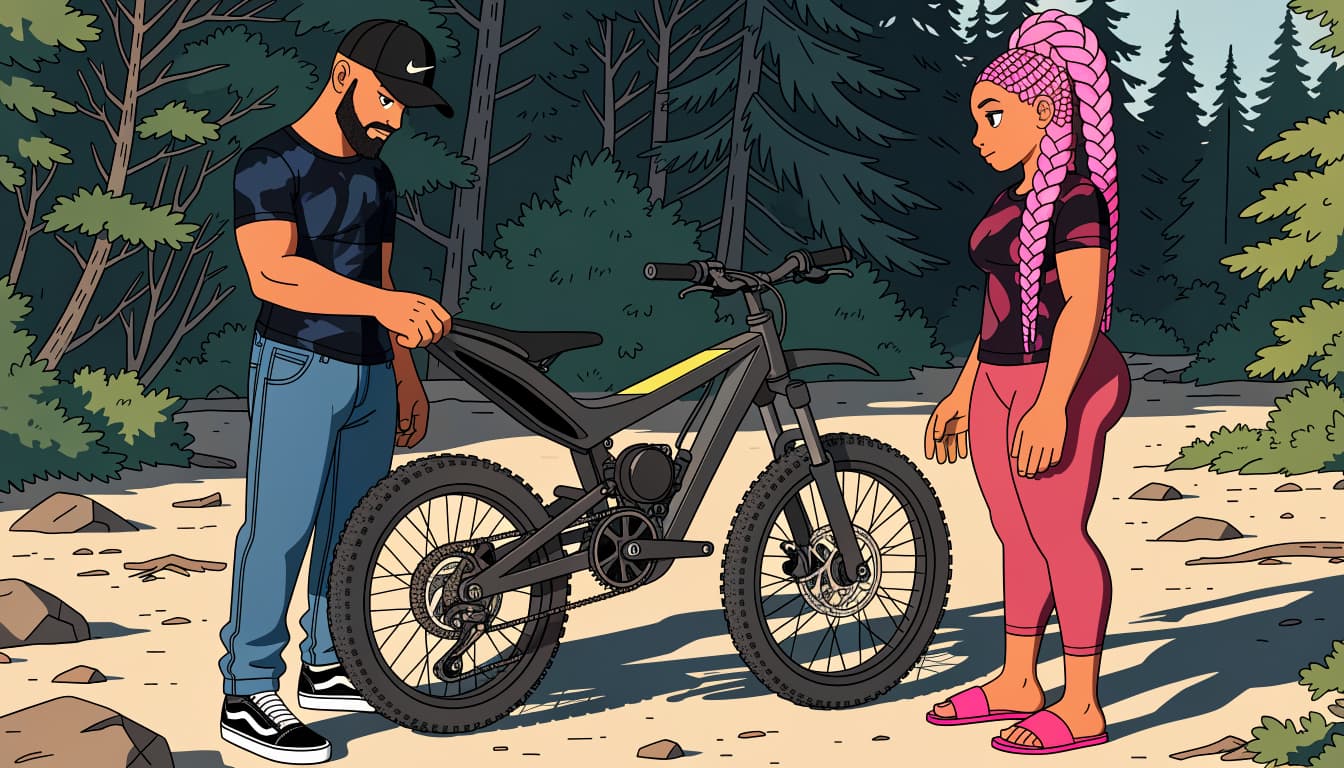
Measure your teen's inseam while they're wearing riding boots, then compare it with the bike's seat height. The number is only a starting point. Seat foam, suspension sag, rider weight, and the bike's overall weight all affect how it feels when stopped or moving slowly.
Match the Bike's Size and Power to Your Teen's Skill
A manageable bike is a better first step than a bigger engine bought to avoid outgrowing it. Beginners may do better with a small automatic or semi-automatic bike, while a more experienced rider may be ready for a larger trail model. Motocross race bikes are built for riders with the skills to manage their performance.
These are broad starting points, not a universal engine-size chart. Honda's 2026 CRF110F, for example, has an automatic clutch and adjustable speed limiter. Those are features of that model, not a promise that every small bike will behave the same way.
Check the Riding Position Before You Buy
Have your teen sit on the actual bike whenever possible. Can they reach the handlebars and levers without stretching? Can they hold the bike steady, start and stop under supervision, and balance at low speed?
Both feet flat on the ground aren't the only measure of fit. What matters is whether your teen can control the bike confidently in the situations they'll face. A bike that feels intimidating while stationary probably won't become easier once the engine is running.
Compare Dirt Bikes for Teens: Trail Riding and Motocross
Trail bikes and motocross bikes are built for different jobs. Recreational trail models are meant for trail use, while motocross bikes are race-focused machines with a different level of performance and maintenance demand. A race bike isn't an automatic upgrade when a teen outgrows a smaller bike.
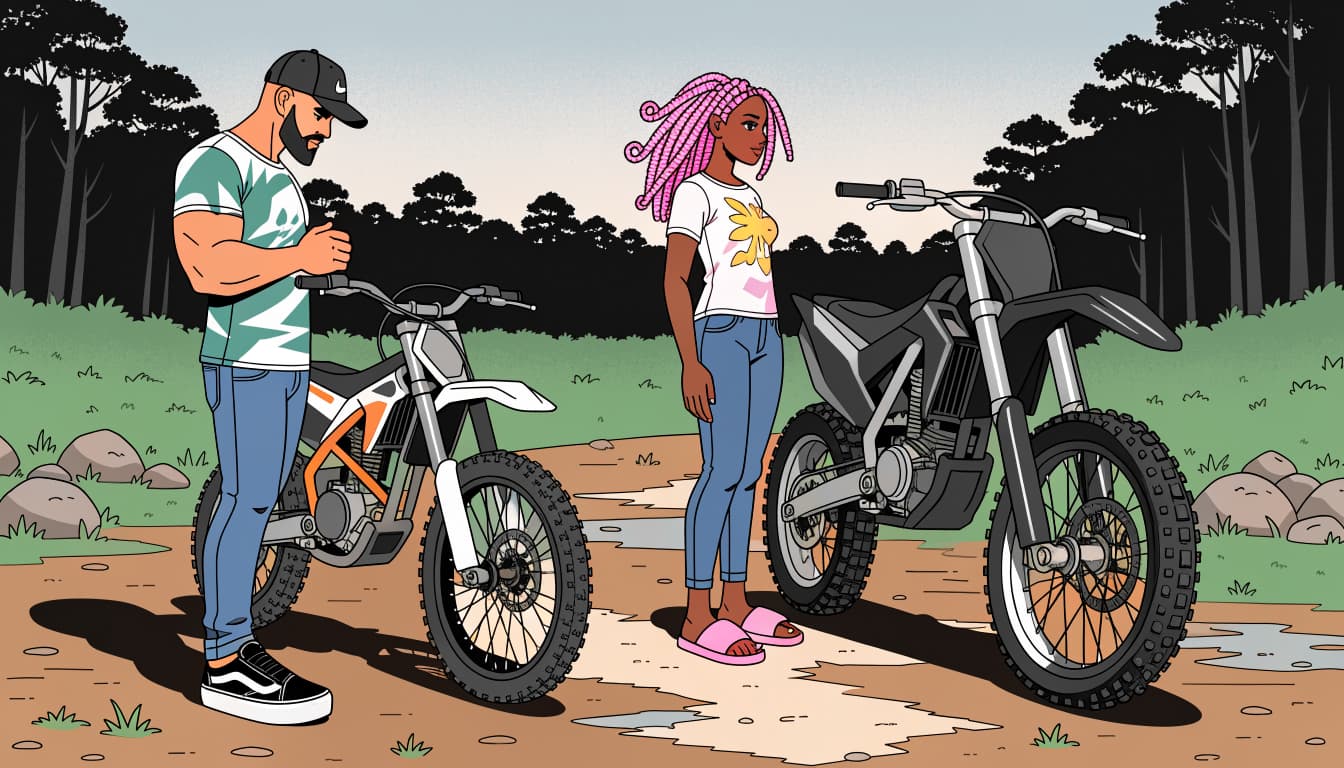
Model names below are examples to research, not a ranked list or a complete 2026 specification guide. Model year and trim matter, so compare each bike's current manufacturer specifications and stated intended use.
Trail Bikes Offer a Practical Starting Point
Youth and teen trail-bike families include Honda CRF-F, Yamaha TT-R, Kawasaki KLX-R, and Suzuki DR-Z. Depending on fit and experience, some growing riders may be ready to consider models such as the Honda CRF110F or CRF125F, or Yamaha TT-R110E or TT-R125LE.
Those names won't tell you whether a particular bike fits your teen. Compare the bike's size and controls in person, and consider how much experience your rider has with starts, stops, and low-speed turns.
Motocross Bikes Are Built for Racing, Not Casual Trail Use
Race-bike families include Yamaha YZ, Kawasaki KX, Honda CRF-R, KTM SX, and Suzuki RM. Their purpose and riding demands differ from those of recreational trail models.
A teen who has outgrown a small trail bike may still need another trail bike, not a race machine. The match depends on riding plans and the rider's ability to manage the bike, not the prestige of a more aggressive model.
Build Safety Around Gear, Training, and Supervision
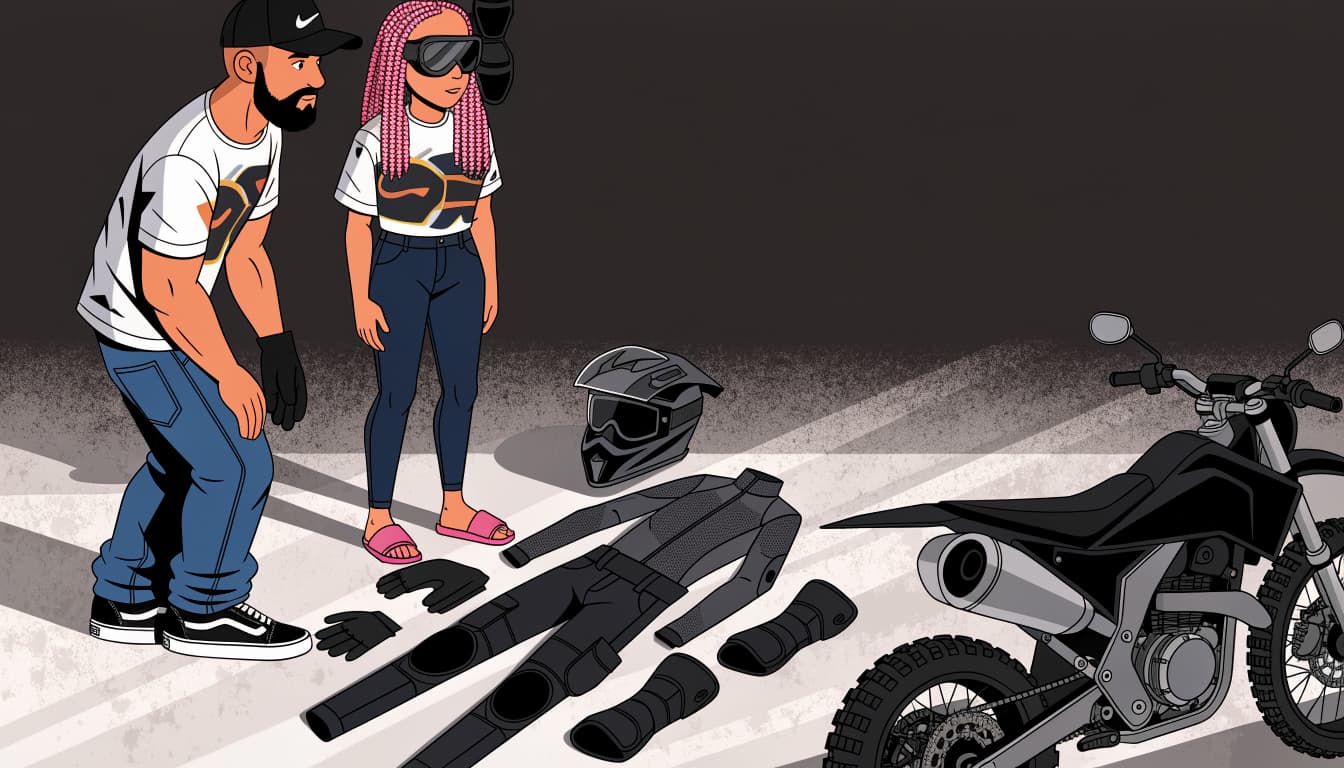
Protective gear can reduce some risks, but it can't prevent every injury. For each ride, your teen needs a properly fitted full-face off-road helmet, goggles, gloves, long sleeves, long pants, and sturdy over-the-ankle dirt-bike boots. Add knee and shin protection and elbow protection; chest or back protection is worth considering.
The CPSC's off-highway vehicle safety guidance also emphasizes helmets and protective equipment such as eye protection, gloves, boots, long pants, and long sleeves.
Make a Full Protective Gear Check Before Every Ride
Use the helmet maker's sizing guidance, and make sure the helmet fits securely and stays fastened. Goggles should stay in place, including when your teen turns their head. Replace a helmet after a significant impact.
Before starting the bike, check fasteners, controls, tires, chain, and brakes while stationary. Follow the owner's manual for inspection and maintenance details. A missing glove is much easier to deal with before you've left the staging area.
Teach Skills Gradually and Set Clear Riding Limits
Hands-on instruction gives your teen time to practice starts, stops, turns, and balance at a pace that fits their experience. The Motorcycle Safety Foundation recommends adult supervision for riders under 16. Keep an adult nearby, especially when your teen is new to riding.
Choose a controlled area where riding is permitted, and follow the owner's manual. Gear doesn't make a powerful bike or difficult trail safe for a beginner. The riding area, bike, and practice pace all need to match your teen's current ability.
Plan for Dirt Bike Costs and Local Riding Rules
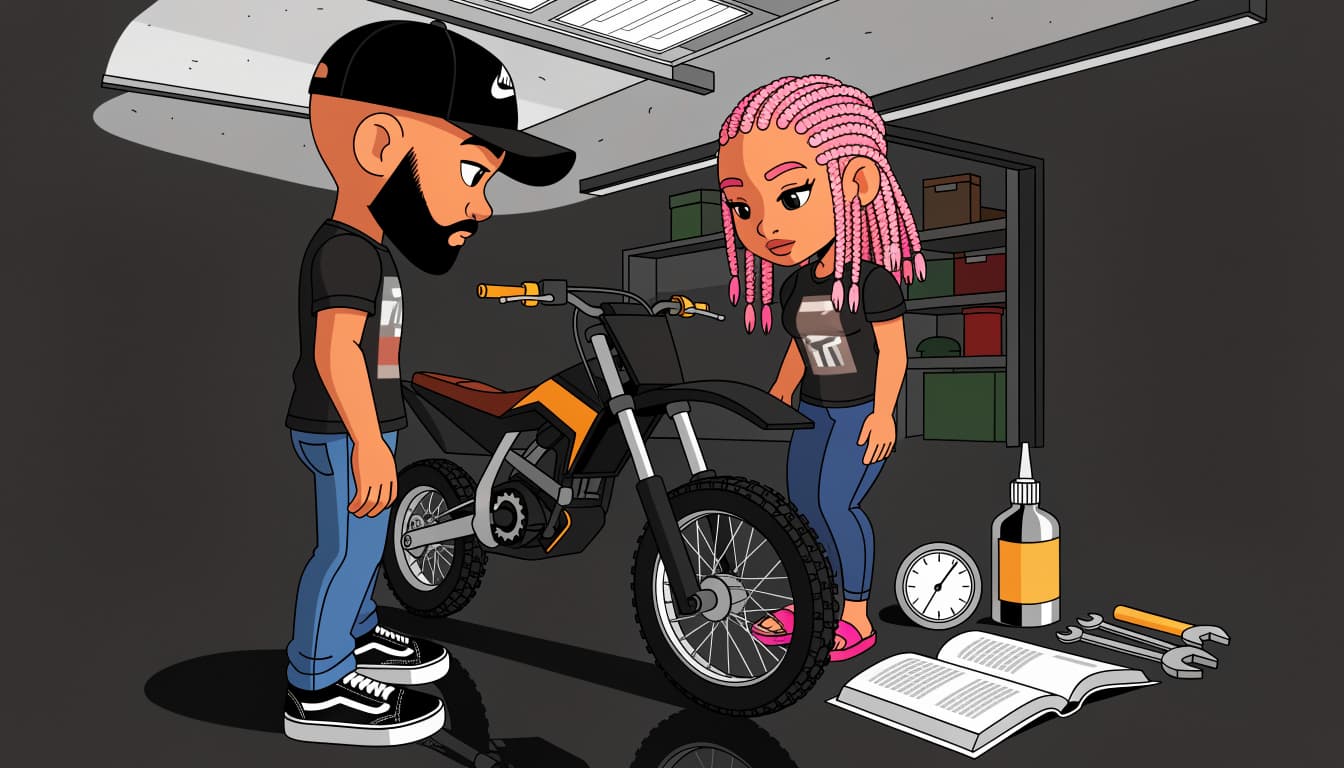
The bike purchase is only one part of the budget. Include taxes and dealer charges, protective gear, transport, fuel, parts, and scheduled service. If applicable, add insurance, registration, and permits. Costs depend on the bike and how it's used, so there's no single service estimate that fits every teen's dirt bike.
Recreational four-stroke trail bikes and high-performance motocross bikes can have different maintenance demands. The model's maintenance schedule is a better guide than a generic estimate. Keep room in the budget for routine parts and service, not only the first day's gear.
Compare the Full Purchase and Maintenance Budget
When comparing new and used bikes, look at model year, condition, service history, included equipment, and the out-the-door cost. A low advertised price may not include taxes, setup, or dealer fees.
For a used bike, ask for maintenance records. If you're unsure how to assess its condition, have a qualified mechanic inspect it before purchase. Budget separately for scheduled service and replacement parts, using the bike's own maintenance schedule instead of assuming every model costs the same to maintain.
Check Rules for the Exact Place Your Teen Will Ride
Rules can differ by state and by riding location. Your plan needs to account for any local minimum-age, adult-supervision, training, permit or registration, helmet, and trail-access requirements.
Off-road trail access and public-road use are separate questions. A dirt bike isn't automatically street legal. The CPSC notes that riding off-road vehicles on paved roads is illegal in many states, so don't treat an off-road bike as a road motorcycle by default.
Streetwear & Casual Styling
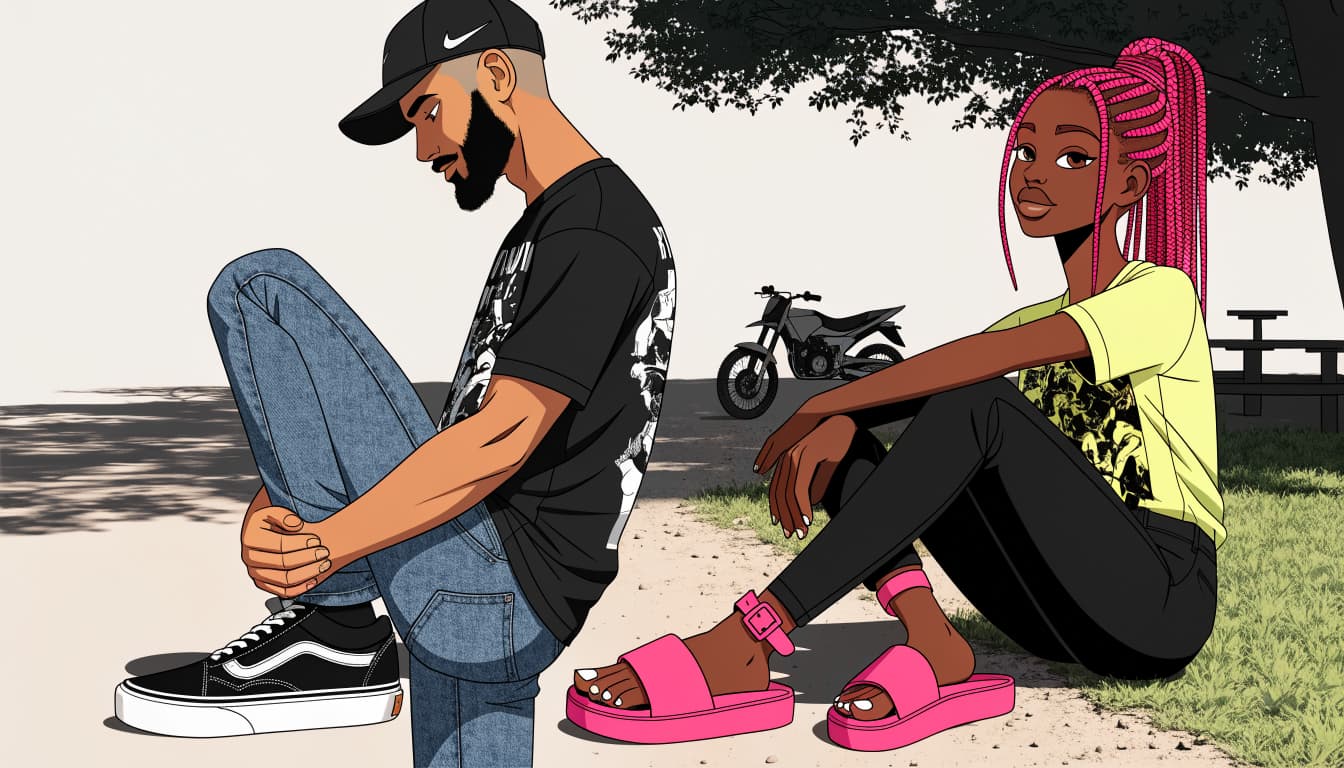
Once the bike is parked and the riding gear is off, casual style can clock in. Our Free Love Cyberpunk Tee and Pizza Is My Only Reality Tee pair easily with jeans or relaxed pants and everyday sneakers. The graphic can bring the anime-coded energy; the rest of the outfit can stay low-key.
Keep tees and casual sneakers out of the riding kit. For more on that separation, see what to wear while ATVing safely.
Frequently Asked Questions
What size dirt bike should a beginner teen ride?
The right size depends on fit, experience, and control, not age alone. Have your teen try the bike in person, then get hands-on instruction before moving up to a larger model.
Is a 125cc dirt bike right for every teenager?
No engine size can determine suitability on its own. Your teen's experience, strength, height, and ability to manage the bike all matter.
Can a teen ride a motocross bike on trails?
A motocross bike is designed for racing and may not suit casual trail riding. The bike's intended use and the local riding-area rules both matter.
Does my teen need a helmet and boots on private land?
A properly fitted helmet and full protective gear belong on every ride, including on private land. Legal requirements depend on location, but the safety value of gear doesn't disappear at a property line.
Can a dirt bike be ridden on public roads?
An off-road bike isn't automatically street legal. Public-road use depends on the bike's equipment, title status, and applicable state rules.
Choose Control Over a Bigger Bike
The right dirt bike is one your teen can control, matched to the riding they'll actually do. Add gear, instruction, supervision, upkeep, and local requirements to the decision before you buy.
Progress comes through practice and good judgment. Moving up to a bigger bike isn't the only way to level up.