

Do Pomsky Puppies Shed? What to Expect From Their Coat
TrendReactTees.STORE TeamYes, Pomsky puppies shed. Their typical double coat drops loose hair year-round, with heavier shedding often reported in spring and fall. How much fur you'll find depends on the individual dog, its coat, and its age, so a fluffy puppy photo isn't a reliable forecast of your future lint-roller budget.
If dog-parent humor is part of your wardrobe, you can wear it with the My Therapist Is A Dog Tee or Dog Eats Custom Kibble Living On Ramen Tee. Neither shirt comes with a brush attachment, obviously. Here's what you can expect from the coat and how to keep loose hair manageable.
This post may contain affiliate links. If you make a purchase through these links, I may earn a small commission at no extra cost to you.
Key Takeaways
- Pomskies shed year-round, and seasonal undercoat shedding can increase loose fur for several weeks.
- Standard, plush, and wooly describe coat types, not guarantees of a particular shedding level.
- Start with brushing two to three times a week, then adjust to your dog's coat and tangles.
- Washable covers, vacuuming, and lint rollers make cleanup easier, but no coat guarantees an allergy-free home.
- Plan around your individual dog. A coat label can't predict exactly how much fur you'll see.
Do Pomsky Puppies Shed? What You Can Expect
A double coat means loose hair is part of the deal
Pomskies typically have a soft undercoat beneath a layer of guard hairs. That double coat sheds throughout the year. Many owners notice a bigger release of loose undercoat in spring and fall, though weather and the individual dog can shift the timing.
During a seasonal coat blow, loose hair may suddenly seem to be everywhere. The increase can last several weeks. One dog may shed heavily once or twice a year, while another's pattern looks different. You can expect variation, not a calendar appointment your puppy reliably keeps.
The American Pomsky Kennel Club's coat guidance describes the typical coat and its maintenance. Its coat categories help you understand what you're seeing, but they don't let you order a Pomsky with a precise shedding setting. That feature, sadly, is not available in the genetics menu.
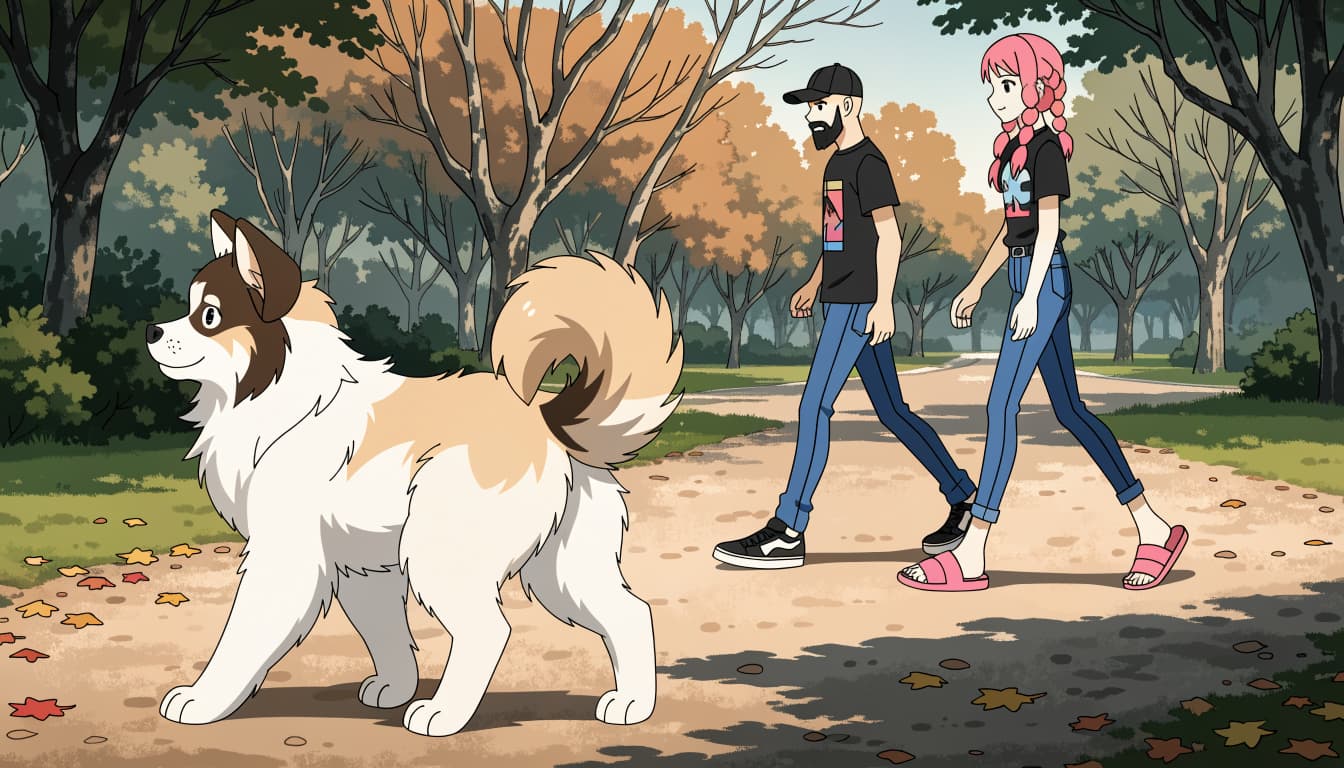
Coat labels and puppy fluff don't predict everything
Pomskies are commonly described as having standard, plush, or wooly coats. These labels refer to differences in coat appearance and hair length. The wooly coat has been reported to shed less than other coat types, but that doesn't make it shed-free. Every Pomsky coat can leave hair around your home.
A puppy's texture can also change as its adult coat comes in. The UK Pomsky Kennel Club reports a major coat change around 10 to 14 months for some dogs, but that isn't a universal deadline. Its grooming guidance also notes that undercoat shedding can last several weeks and vary with the weather.
A puppy's early coat won't promise you an exact adult texture or shedding level. For more on the coat categories, see the American Pomsky Kennel Club's coat maintenance expectations.
How to Groom Your Pomsky and Keep Loose Hair Under Control
Brush regularly, in small sections
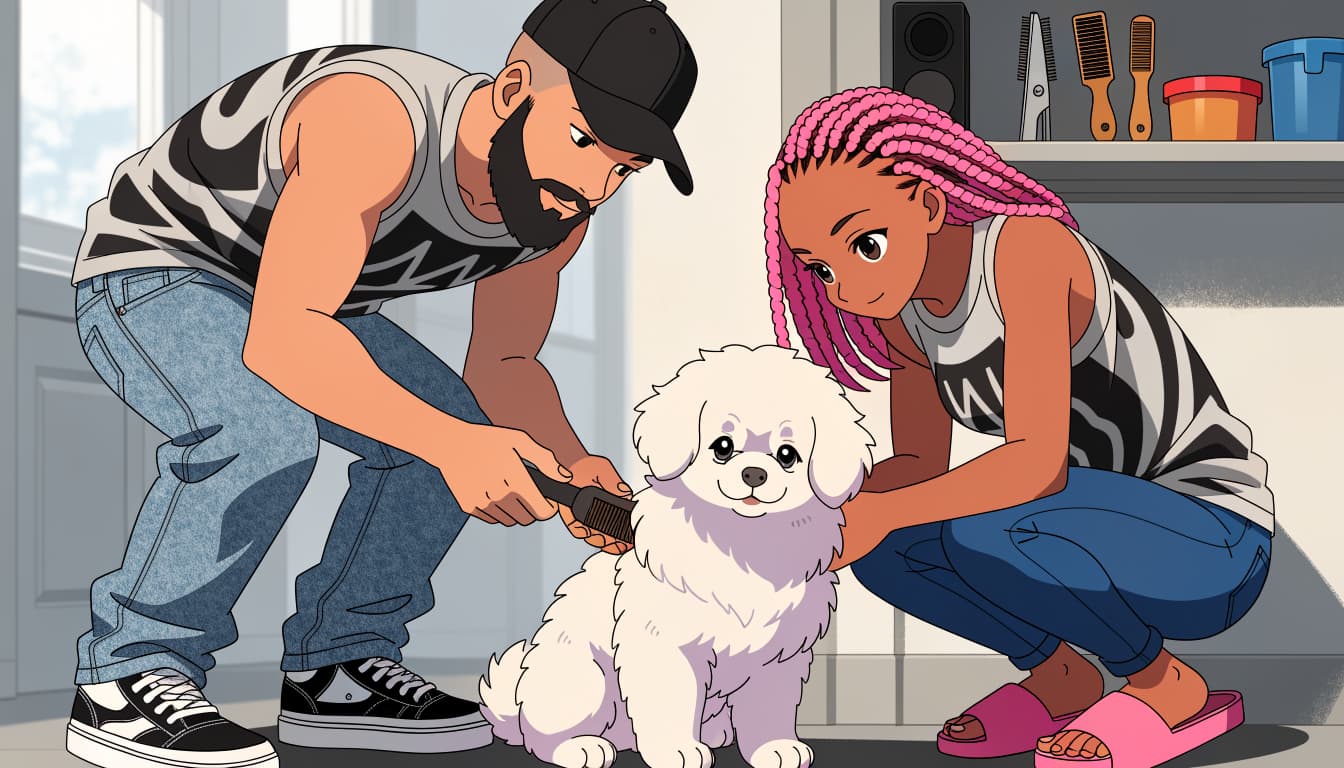
Brushing won't stop shedding. It removes loose hair before it lands on your clothes, sofa, and every mysterious corner of your home. A practical starting point is two to three brushings a week. Standard coats may need less frequent brushing, while plush or wooly coats can need more. Adjust the routine if you find tangles or mats.
An undercoat rake or slicker brush can help remove loose hair. Work gently in small sections rather than dragging a brush across the whole coat. Pay extra attention behind the ears, under the legs, around the armpits, and across the belly and tail. Those spots can hide tangles until they become a larger grooming problem.
Bathe as needed, and leave the coat intact
Give your Pomsky a bath when the coat needs it, using a dog-appropriate shampoo. PetMD's Pomsky grooming guidance suggests bathing about once a month. During a heavy seasonal coat blow, a professional groomer can provide de-shedding help, such as a suitable shampoo and blowout.
Avoid shaving a double coat to control loose hair. It won't stop shedding, and cutting the coat down can affect its protective function and regrowth. The American Kennel Club's advice on grooming double-coated dogs explains why shaving isn't a shedding fix. If you want a sanitary or light trim, ask a qualified groomer what suits your Pomsky's coat and skin.
For a visual brushing demonstration, watch the Pomsky Grooming Tips video.
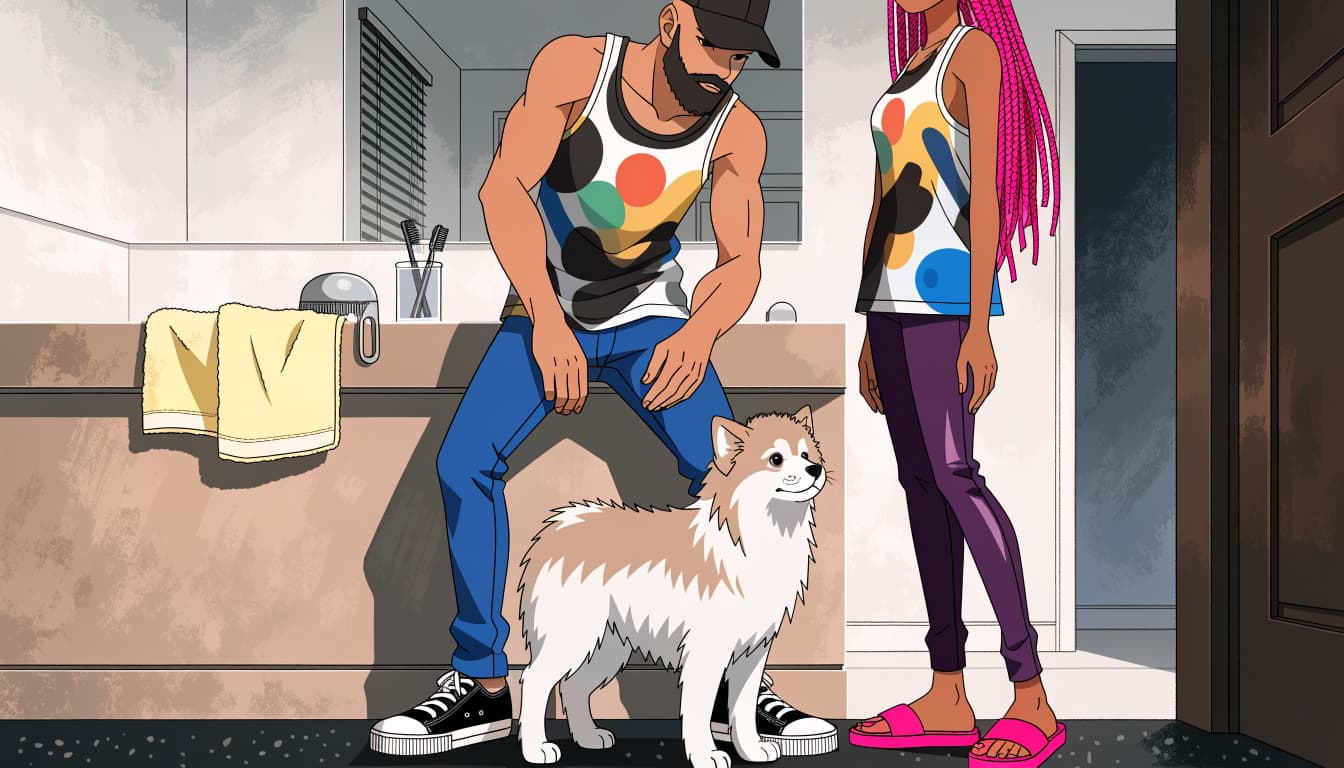
Can You Manage Pomsky Shedding at Home?
Make cleanup part of the routine
You can't stop loose hair from appearing, but you can keep it from becoming a full-time side quest. Regular brushing helps collect fur before it spreads. Washable covers protect favorite furniture, and vacuuming on a schedule keeps hair from building up in rugs and corners. Keep a lint roller near the door or wherever you get dressed.
Check your dog's coat after muddy walks or time in brush and tall grass. A quick look can catch burrs, tangles, or changes in the skin beneath the fur. Bathe when your Pomsky is dirty, and use products meant for dogs. If skin irritation makes grooming uncomfortable, ask your veterinarian what care is appropriate.
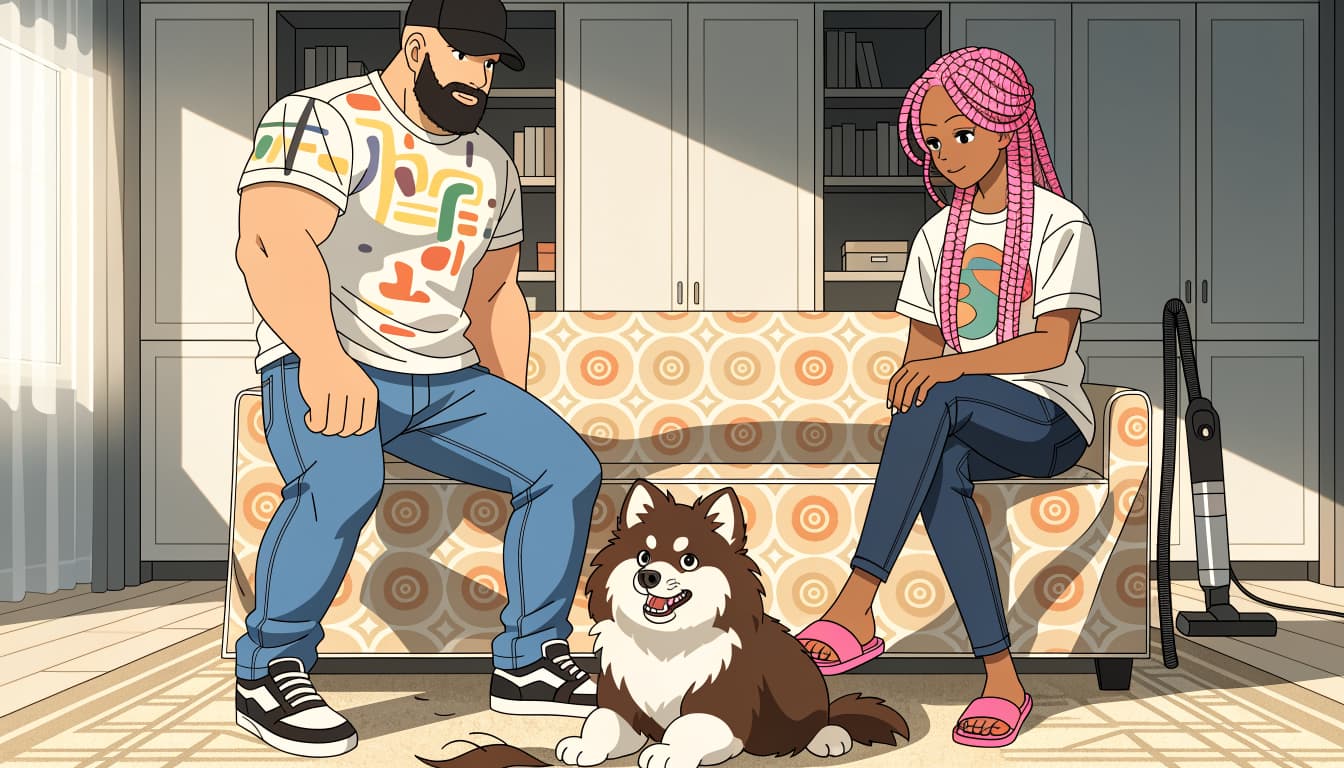
Don't count on a hypoallergenic coat
Pomskies shouldn't be described as reliably hypoallergenic. Loose hair can carry dander, and allergens can come from more than fur alone. A wooly coat or a coat that seems to shed less doesn't guarantee an allergy-free home.
If you have dog allergies, talk with an allergist before bringing a puppy home. Spending time around the individual dog may give you useful information, but it can't predict every reaction or how you'll respond over time. The Asthma and Allergy Foundation of America's guidance on pet allergies explains the role of animal allergens.
The individual-first approach applies to other mixes, too. Our guide to Pomeranian Dachshund shedding and grooming needs looks at coat variation in another crossbreed, without making its coat a Pomsky prediction.
Streetwear & Casual Styling
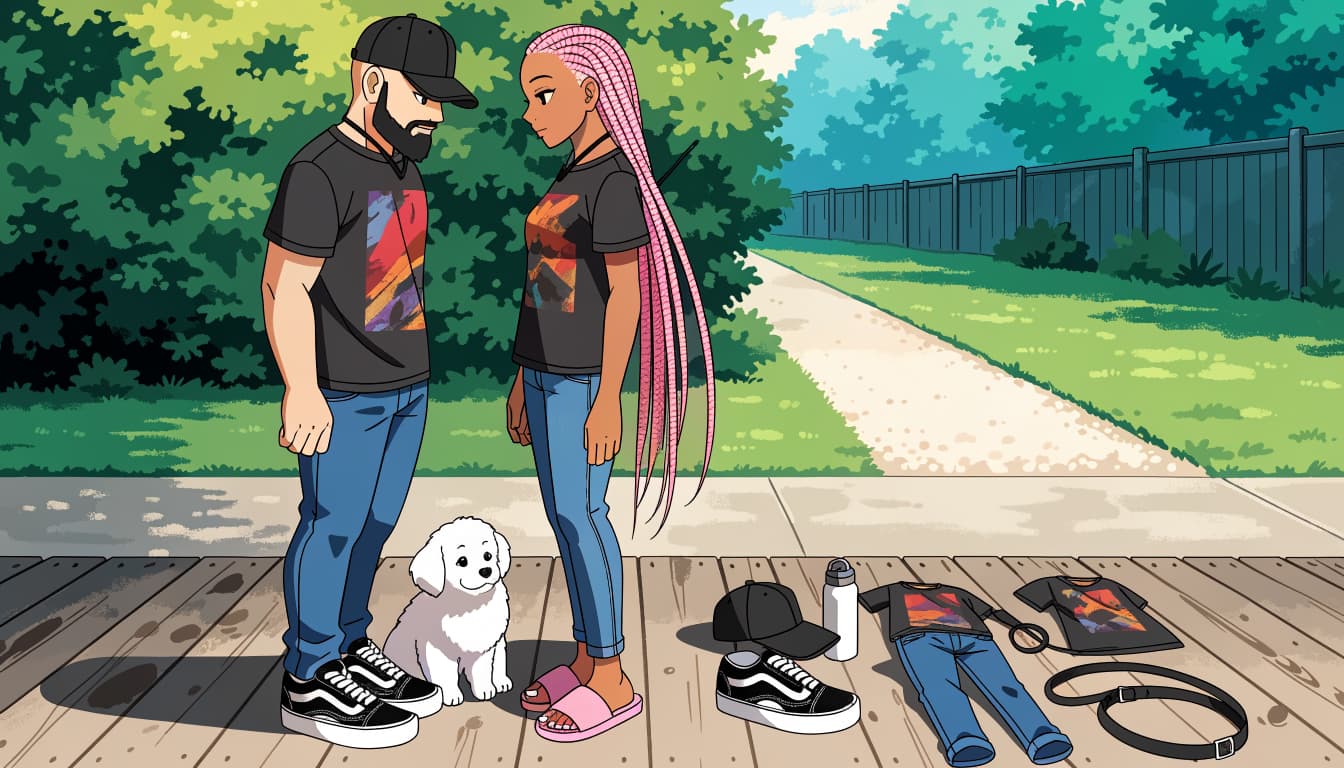
A dog walk can be practical without making your outfit look like you lost a bet with the laundry basket. Build a relaxed look around a Cyber-Brutalist Anime Graphic Tee, comfortable jeans, and shoes you can walk in. Bring the leash and any walking gear your Pomsky needs; the graphic tee is here for the visual signal, not the grooming shift.
For a dog-parent joke with internet-chaos energy, try the If They Could Use Internet We'd Be In Trouble Tee or the Scream At Void My Human Understands Tee.
Frequently Asked Questions
Can diet or supplements stop Pomsky shedding?
No food or supplement can promise to stop normal shedding. If your dog's coat changes or you're considering supplements, ask your veterinarian before changing its diet or adding anything. A regular brushing routine is a more reliable way to collect loose hair.
Can you use a de-shedding blade on a Pomsky?
A tool that cuts or strips hair isn't automatically right for a double coat. Start with a slicker brush or undercoat rake, and ask a groomer before using a blade-style tool. The goal is to remove loose undercoat without irritating skin or damaging the coat.
Should you start grooming while your Pomsky is still a puppy?
Yes, keep early sessions short and gentle so your puppy can get used to being brushed and having its coat checked. Reward calm handling, and stop if your puppy becomes distressed. A comfortable grooming routine is easier to maintain than a wrestling match with a brush.
When should shedding make you call a veterinarian?
Get veterinary advice if hair loss comes with bald spots, persistent itching, red or irritated skin, or a sudden change that doesn't look like ordinary seasonal shedding. VCA's guidance on itchy skin and hair loss describes signs that may need veterinary attention.
Plan for Your Pomsky's Individual Coat
Pomskies shed, but your dog's coat, age, and seasonal changes affect how much hair you see. Brush regularly, prepare for a few weeks of heavier cleanup when the undercoat lets go, and keep an eye on the skin beneath the fluff.
If shedding comes with itching, bald spots, or irritated skin, contact your veterinarian instead of treating it as routine coat maintenance. A coat label can help you start planning, but your individual puppy is the one who sets the real schedule.