

French Bulldog Maltese Mix: Care, Health & What to Expect
TrendReactTees.STORE TeamA French Bulldog Maltese mix brings together two small companion breeds, but there's no standard blueprint for the puppy you'll get. Adult size, coat, temperament, and care needs depend on which traits your dog inherits from each parent.
If dog-parent status is already your whole personality, the Best Dog Mom Tee and My Therapist Is a Dog Tee make that allegiance pretty clear. Before you pick a puppy, though, you'll want to consider grooming, exercise, breathing, health records, and whether the dog fits your routine.
This post may contain affiliate links. If you make a purchase through these links, I may earn a small commission at no extra cost to you.
Key Takeaways
- This crossbreed has no fixed size, coat, temperament, or health profile.
- Your dog's needs depend on its inherited traits and individual behavior.
- A short muzzle can bring breathing and heat concerns, so watch exercise closely.
- Ask for specific health records for both parents, not a vague "health tested" claim.
- Choose for the dog's care needs and your daily routine, not a puppy photo.
What You Can Expect From a French Bulldog Maltese Mix
A Frenchie Maltese, sometimes called a French Maltese, is a French Bulldog crossed with a Maltese. It isn't a standardized purebred with a single official appearance or a reliable set of adult traits. A puppy may take after one parent in some ways and the other parent in others. Genetics doesn't take custom requests, even when the puppy photo suggests otherwise.
If you've looked at other crossbreeds, the same uncertainty applies to full-grown Pomeranian Dachshund mix size and care. Parent details can offer clues, but the individual dog is the better guide.
Size, coat, and appearance can vary
The Maltese is the smaller parent, while the French Bulldog has a sturdier build. That contrast doesn't produce a dependable adult weight or height range for their mix. Ask about the parents' adult measurements, then treat any online estimate as a guess rather than a promise.
A puppy may inherit the Maltese's longer, straight coat, the Frenchie's short coat, or something between them. Shedding and brushing needs vary with coat type. Facial shape can vary, too, and a shorter muzzle may bring breathing concerns. A Maltese-like coat doesn't guarantee a hypoallergenic dog.
Personality depends on the individual dog
You may see affection, playfulness, alertness, or sociability, but those are possibilities, not personality settings built into the mix name. A puppy's temperament reflects inherited traits, early experiences, training, and the behavior of both parents.
Meet the dog and observe how it responds to people and ordinary activity. Ask how the puppy behaves at home and how it handles gentle interactions. A cute face is an excellent first impression, not a substitute for learning what living with that dog may involve.
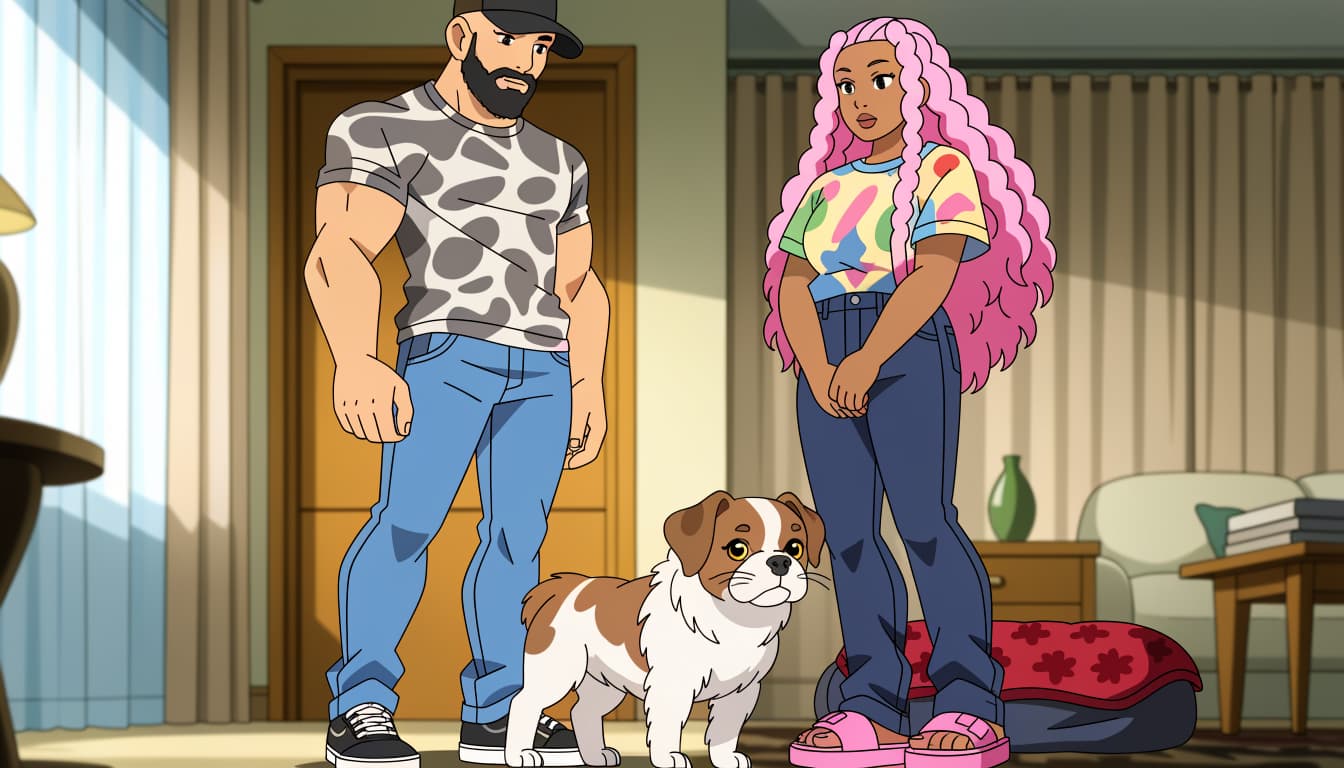
How to Care for Your Frenchie Maltese at Home
Build your routine around the dog in front of you. Age, fitness, breathing, coat, and dental health all affect the care it needs. A steady schedule for walks, play, grooming, and rest makes it easier to notice when something changes.
Choose gentle exercise and indoor play
Short walks and relaxed play may suit your dog better than long, intense outings. Adjust activity for age, fitness, breathing, and weather. Indoor games, such as a short training session or a food-search game, can add movement without a trek across a sunbaked parking lot.
Watch how your dog breathes during and after exercise. Stop if breathing becomes noisy or labored, and contact a veterinarian for advice. French Bulldog ancestry can make heat and exertion more serious than they look at first glance.
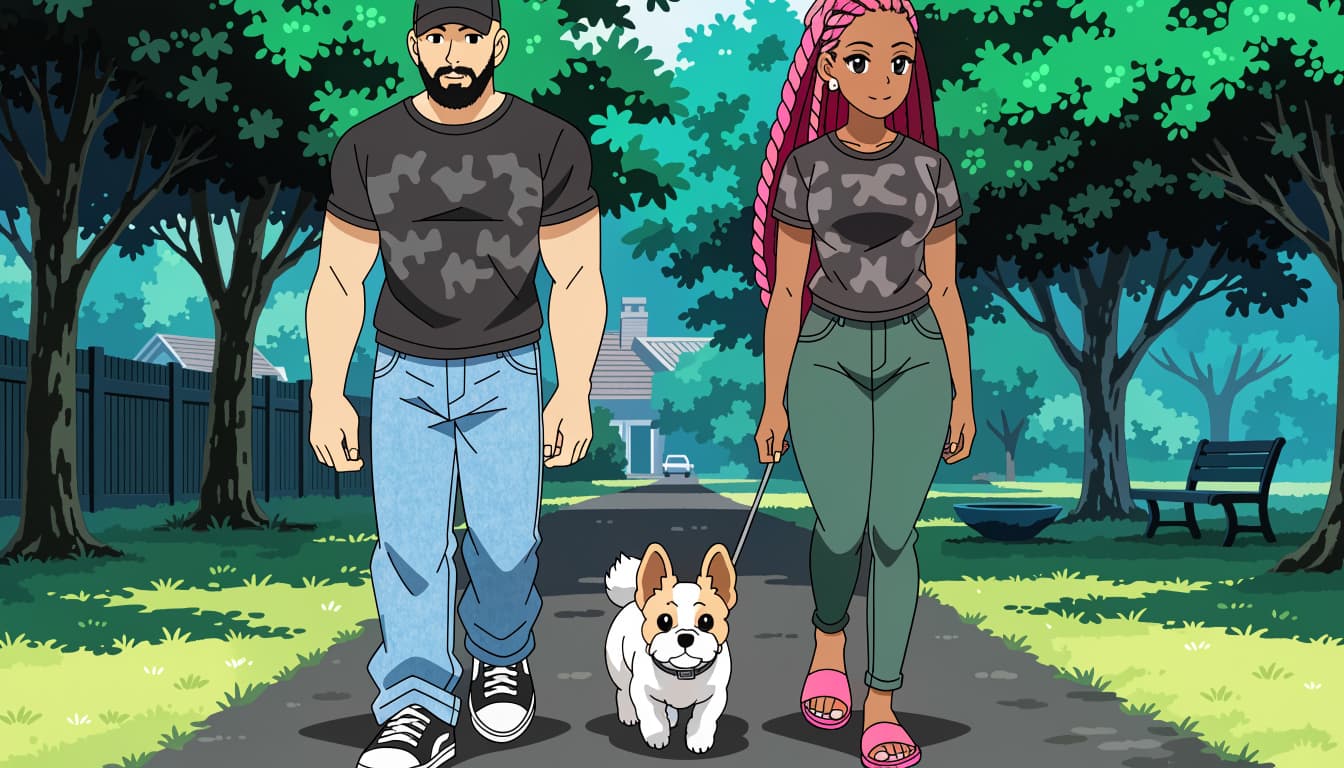
Match grooming to the coat you get
A longer, Maltese-like coat may need daily brushing to prevent tangles and mats. A shorter coat may need less brushing, but it still needs regular attention. Check your dog's ears, trim its nails, and look over the skin and coat as part of routine care.
Get the right brush and grooming schedule for the coat your dog actually has. "Low maintenance" on a listing doesn't brush out a mat. If grooming seems painful or your dog's skin looks irritated, ask your veterinarian or a qualified groomer for help.
Make dental care part of the routine
Small dogs, including Maltese, can be prone to dental problems. Brush your dog's teeth regularly with dog-safe toothpaste, and include dental checks in veterinary visits. A gradual introduction helps your dog get used to having its mouth handled.
Dental chews may support a routine, but they don't replace brushing. Start early and keep sessions calm and brief. Your dog may object at first; consistency beats turning toothbrushing into a boss fight.
Health Risks to Discuss Before You Choose a Puppy
There are no reliable mix-specific figures for the French Bulldog Maltese cross. Your dog could inherit health concerns from either parent, and being a crossbreed doesn't guarantee those risks disappear. A veterinary exam and preventive-care plan help you respond to the individual dog rather than a label.
Pay close attention to breathing and heat safety
A short muzzle can be linked with brachycephalic obstructive airway syndrome, or BOAS, even in a smaller mixed-breed dog. Ask about the French Bulldog parent's breathing during activity and sleep, exercise tolerance, and any airway evaluation. The French Bulldog health overview discusses health concerns associated with brachycephaly.
The AVMA's BOAS grading scheme uses grades from 0 to 3. Grades 0 and 1 are considered normal, while grades 2 and 3 are abnormal and symptomatic. If a Frenchie parent has been assessed, ask what the result was and what it means.
In warm weather, provide water and a cool indoor space. Avoid strenuous activity during the hottest hours. Stop and seek veterinary advice if your dog struggles to breathe, pants heavily, drools, becomes weak, or seems less responsive.
Ask about inherited concerns from both sides
Possible concerns to discuss include kneecap problems, dental disease, certain heart or liver conditions, and eye issues. These are topics for a veterinarian and breeder, not diagnoses or predictions about your puppy. Ask about each parent's health history and any relevant evaluations.
The French Bull Dog Club of America lists hip, eye, patella, and cardiac evaluations among its health-screening recommendations. For Maltese ancestry, ask about patellar stability, congenital heart findings, and liver history. Records make the conversation useful; a general assurance that everything is fine does not.
How to Find a Healthy, Well-Matched Frenchie Maltese
You can look for a suitable dog through a shelter, rescue, or breeder. When possible, meet the puppy and its mother, review veterinary records, and ask about both parents' behavior and health history. Arrange a veterinary visit soon after bringing your dog home so you can set up preventive care based on its needs.
There's no dependable current U.S. price range established for this cross. Compare local adoption and breeder options, then budget separately for veterinary care, grooming, and possible treatment.
Ask for records, not just health claims
Ask for named screenings or veterinary findings relevant to both parent breeds. For the French Bulldog parent, ask about airway function, patellar stability, heart, eye, and hip evaluations. For the Maltese parent, ask about patellar and heart findings, plus liver history. If a breeder uses the phrase "health tested," ask which tests were done and request the records.
Screening gives you information, not a guarantee that a puppy will never have a health issue. Review the puppy's own veterinary records, including visits, vaccinations, and any treatment history. A responsible source should be able to explain the documents clearly.
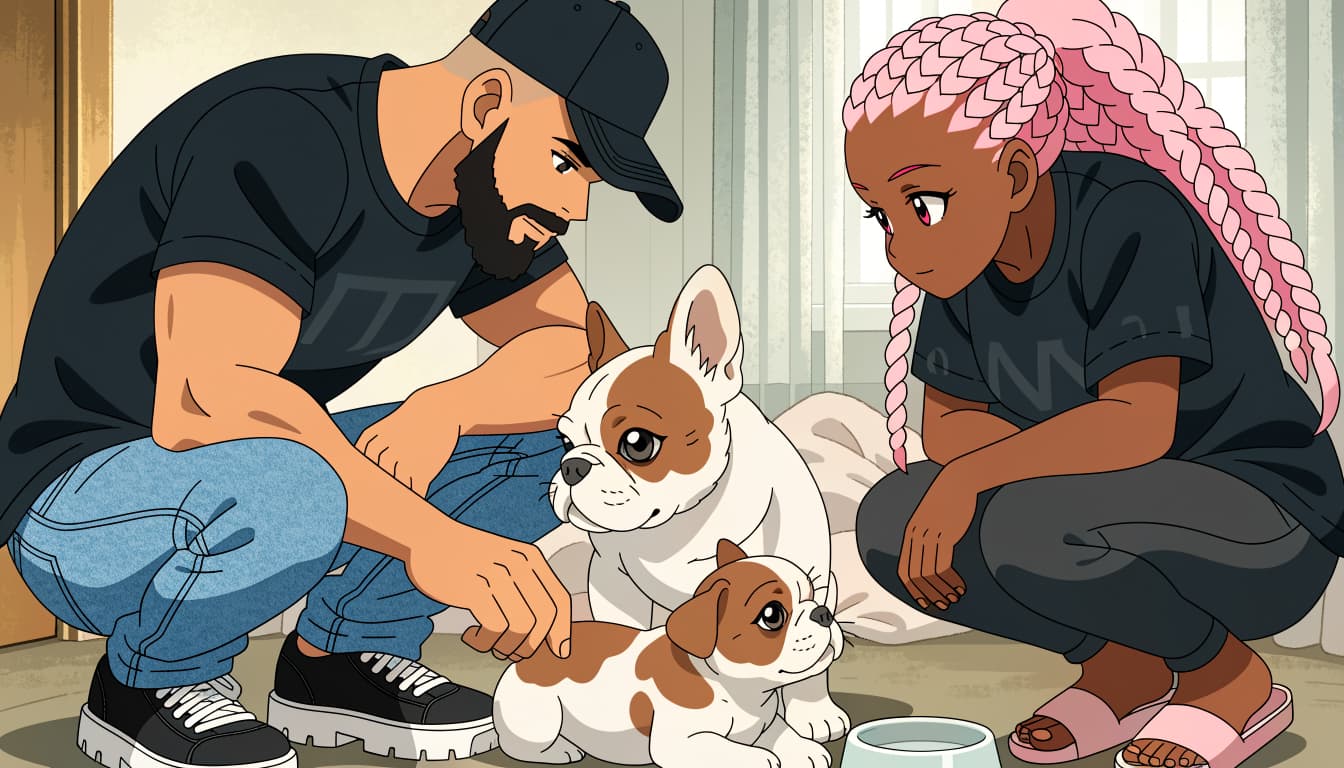
Compare the dog's needs with your daily life
Think about the time you can give to grooming, training, companionship, dental care, and safe exercise. If the dog inherits a longer coat, daily brushing may become part of the deal. If it has a short muzzle, you'll need to pay attention to breathing and heat during activity.
Choose based on the individual dog's behavior and care needs, not a flattering photo or mix label. Adoption can be a good fit when a suitable dog is available. A breeder puppy can also work when you can review its early care and both parents' records.
Streetwear & Casual Styling
Dog-care research is the high-stakes part. Your walk outfit can stay easy: pair a Dog Eats Custom Kibble Tee with relaxed jeans or cargos and comfortable shoes. A If They Could Use the Internet We'd Be in Trouble Tee brings the dog-parent commentary. Let the Cyber-Brutalist Anime Graphic Tee carry the look, then head out before your tiny supervisor decides the walk is overdue.

Frequently Asked Questions
Is a French Bulldog Maltese mix hypoallergenic?
No coat type or crossbreed label guarantees an allergy-friendly dog. This mix may shed less or more depending on its coat, and individual allergy responses vary. Spend time around the dog before bringing it home if allergies are a concern.
How long might this mix live?
There isn't a verified lifespan estimate for this cross. Maltese and French Bulldog lifespan information describes the parent breeds, not a measured lifespan for their mix. Your dog's health, genetics, and care all matter.
Can you leave this dog alone during a workday?
Comfort with alone time varies by dog. Build up absences gradually and provide safe enrichment, along with a plan for bathroom and social breaks. Don't assume a companion-breed dog will be comfortable alone for a full workday without preparation.
Should you adopt or buy from a breeder?
Either route can suit you, depending on the individual dog and the quality of the available care information. Adopt when a dog's needs and temperament fit your home. For a breeder puppy, review veterinary records and the health histories of both parents.
Choose the Dog, Not the Mix Label
A French Bulldog Maltese mix can vary in size, coat, temperament, breathing, and daily care needs. The mix name gives you a little background, but it can't tell you exactly who's coming home.
Focus on the individual dog's health, behavior, and fit with your routine. A puppy's appearance may catch your eye; its needs are what you'll live with.