

French Bulldog Pitbull Mix: Health, Size, and Care
TrendReactTees.STORE TeamA french bulldog pitbull mix is a dog with French Bulldog and pit bull-type ancestry, but that label doesn't come with a predictable set of traits. Your best clues are the individual dog's build, breathing, behavior, and available records.
If your dog-parent personality belongs on a tee, the Dog Eats Custom Kibble Living On Ramen Tee and If They Could Use Internet We'd Be In Trouble Tee bring the humor. Before you pick the outfit, though, get to know the dog and the care it needs.
This post may contain affiliate links. If you make a purchase through these links, I may earn a small commission at no extra cost to you.
Key Takeaways
- This mix has no fixed appearance, personality, exercise requirement, or lifespan you can count on.
- Your dog's actual breathing and build deserve veterinary attention, especially if it has a short muzzle.
- Ask about behavior in different settings. One friendly greeting won't reveal the whole story.
- Plan for measured meals, reward-based training, grooming, preventive care, and activity suited to the weather.
- Adoption records and a realistic budget tell you more than a catchy mix label.
What Is a French Bulldog Pitbull Mix, Really?
A French Bulldog Pitbull mix has ancestry connected to a French Bulldog and a pit bull-type dog. You may also see the label "Frenchie Pitbull mix."
There's no breed standard that guarantees what your individual dog will look or act like. Genetics doesn't let you select "Frenchie ears, athletic build, and perfect manners" on a character creation screen.

What the Mix Label Can Tell You
"Pit bull-type" describes a group of dogs rather than one precise, universally defined breed. If the dog's ancestry is known, ask which dogs or breeds are involved. If it isn't, treat the label as a description rather than a complete family tree.
You may find that the same uncertainty comes up with other crosses. Our guide to Pomeranian Dachshund mix size and care also looks at why individual measurements matter.
Why the Parent Dogs and Individual Dog Matter Most
A parent's build, health history, and behavior can offer clues. They can't promise your dog's adult size, health, or response to strangers.
Give more weight to what you can observe and document: comfortable movement, breathing at rest, responses to handling, and medical records. A cute photo is excellent at attracting attention. It's less qualified to conduct a health exam.
What Size, Looks, and Personality Can You Expect?
Your dog may have a compact or more athletic build, a shorter or longer muzzle, and a coat that needs its own care routine. Ear shape, coloring, proportions, and shedding can vary too.
For an adult, use current measurements when choosing a bed, crate, or harness. A comfortable fit matters more than the size category someone assigned in an adoption listing.
Assess the Dog in Front of You, Not a Breed Stereotype
Ask how the dog behaves around unfamiliar people, other animals, traffic, household noises, and routine handling. Find out whether the caregiver has seen fear, guarding, or difficulty settling.
A friendly first meeting is useful information, but it doesn't show every side of a dog. Your future roommate might greet you enthusiastically and still need help with doorbells, nail trims, or sharing space with another pet.
Use Parent Measurements as Clues for Puppies
If you're considering a puppy, ask for both parents' adult height and weight when those details are available. Their measurements give you context, not a precise forecast.
For an adult rescue, the dog's current size and known history are more useful than guessing what its ancestry must have produced. Allow room for the dog's body shape as well as its weight when choosing equipment.
Which Health Risks Deserve Your Attention?
Breathing deserves a prominent place on your checklist. French Bulldogs can have short-nosed airway problems, and a mix may inherit features that affect breathing. A veterinarian can assess your individual dog's conformation and respiratory health.
UC Davis Veterinary Medicine explains that narrow nostrils, a narrow throat, and small airways can contribute to breathing problems in short-nosed dogs. The mix label or a photograph can't tell you how much difficulty your dog may have.
Veterinary surgeon Dr. Barry discusses breathing issues in short-nosed dogs in this video from Veterinary Healthcare Associates.
Know the Signs of Breathing Trouble and Overheating
Watch for noisy or difficult breathing, tiring quickly, trouble tolerating exercise, overheating, weakness, or vomiting. Hot, humid weather and overexertion can make cooling harder for a short-nosed dog.
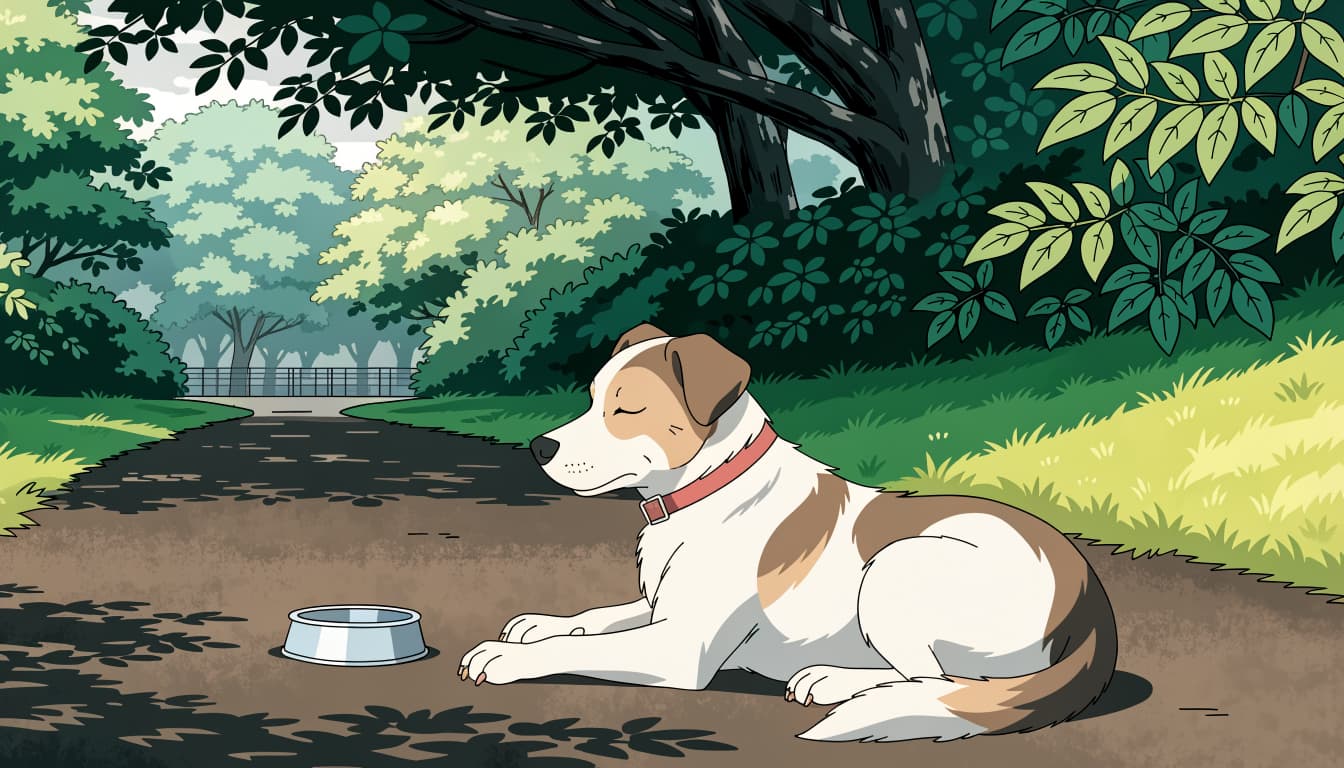
Stop activity if your dog appears uncomfortable. Move to shade, offer water, and contact a veterinarian when breathing or heat symptoms concern you. Severe or sudden breathing difficulty, collapse, or signs of heat illness need urgent veterinary attention.
Ask for Records and Plan a Veterinary Checkup
Request available medical records and family health information, then arrange a veterinary exam soon after adoption. Mention breathing sounds, exercise tolerance, and any concerns the previous caregiver reported.
French Bulldog lifespan figures describe that parent breed. They don't predict how long your individual mix will live.
How Do You Care for a Frenchie Pitbull Mix Day to Day?
Build your routine around the dog you have: its age, health, behavior, and comfort with activity. That includes enrichment and training alongside food, grooming, and veterinary care.

Balance Exercise, Enrichment, and Heat Safety
Start with manageable walks and play in cool conditions. Offer rest and watch your dog's breathing during and after activity. Adjust the length and pace with your veterinarian if your dog tires quickly or seems uncomfortable.
Possible athleticism in a pit bull-type parent doesn't override breathing limits. Your dog doesn't need to complete a cardio challenge to earn a good walk.
On hot days, choose quieter indoor activities, such as a food puzzle or a short training session. Hot-weather guidance for short-nosed dogs also highlights the need to recognize breathing emergencies. Never leave your dog in a parked car.
Build Simple Grooming and Health Habits
Measure meals and discuss healthy body condition with your veterinarian. Treats can support training, but they belong in the daily food plan too.
Brush the coat as needed, check for tangles or skin changes, and bathe your dog when dirty with a dog-appropriate product. Brush teeth regularly with dog toothpaste. Dental chews can be an extra, but they don't replace brushing.
Keep preventive appointments and mention changes in movement, appetite, or behavior. A new reluctance to walk or be handled deserves attention rather than an assumption that your dog is being stubborn.
Reward the Behavior You Want
Use treats, praise, and short sessions to practice everyday skills such as responding to a name, walking on a loose leash, and settling on a mat.
Introduce new people, places, and sounds gradually. If your dog shows persistent fear, guarding, or distress, ask your veterinarian or a qualified reward-based behavior professional for help.
How Can You Choose a Dog and Prepare Your Budget?
Start with your household, not the adoption photo. Consider your schedule, access to a cool indoor space, experience with dogs, and ability to pay for ongoing care. A strong match leaves room for the dog's needs as well as your enthusiasm.
Questions to Ask a Shelter, Rescue, or Breeder
Ask for medical and behavior records, known history, and observations about breathing or heat sensitivity. Find out how the dog responds to handling, visitors, other animals, and time alone.
If parent health information is available, request it. When buying from a breeder, look for clear records and someone who remains reachable after the dog goes home. A confident sales pitch isn't a substitute for useful information.
Make Room for Costs Beyond Adoption
Your budget needs to cover food, supplies, enrichment, preventive veterinary visits, and possible illness or injury. Pet insurance may help with unexpected expenses, depending on the policy and its terms.
Think about practical support too. If your dog needs a veterinary appointment, training help, or shorter walks during hot weather, you'll need time and flexibility to make that happen.
Before committing, consider how you'll introduce the dog to children or other pets. Supervise interactions, teach children to respect resting spaces, and give the dog a quiet place to retreat.
Streetwear & Casual Styling
Dog care comes first. Your outfit gets its own side mission.

For an easy casual look, pair one of our Cyber-Brutalist Anime Graphic Tees with simple jeans and comfortable sneakers. Add a light layer when the weather calls for it.
The Best Dog Mom Tee keeps your dog-parent status visible, while the My Therapist Is A Dog Tee brings a little self-aware humor to the fit. Your clothes are personal expression, not dog-care equipment. Keep the leash and your attention on your dog separate from the aesthetic.
Frequently Asked Questions
Can this mix live in an apartment?
Apartment living can work if the individual dog's needs fit your space and routine. Consider hallway noise, time alone, access to toilet breaks, and a cool place to rest. A compact body doesn't come with a built-in mute button.
Can a Frenchie Pitbull mix live with children?
Some individual dogs may be comfortable with children, but ancestry alone can't guarantee a good match. Supervise interactions, teach gentle handling, and give your dog space to leave when it wants a break.
Can you leave this mix alone during the workday?
That depends on the individual dog's age, training, health, and comfort with being alone. Ask about its known history and build alone time gradually. A puppy or a dog showing distress may need additional support.
Will a DNA test predict your dog's health?
A DNA test may provide ancestry information, but it can't replace a veterinary exam or predict every health concern. Your dog's breathing, body condition, behavior, and medical history remain important regardless of the result.
Does this mix need a specific type of food?
There's no single food that suits every Frenchie Pitbull mix. Ask your veterinarian about a diet and portions appropriate for your dog's age, health, and body condition.
Plan for the Dog You Have
A French Bulldog Pitbull mix can vary in build, behavior, and care needs. The label gives you a starting point; the individual dog gives you the details that matter.
Pay attention to breathing and comfort, and seek veterinary guidance when something seems wrong. Make a realistic plan for daily enrichment, heat-safe activity, and ongoing costs.
Give your future companion room to be an individual, even if the adoption photo already has main-character energy.