

How Big Does a Maltipoo Get? Adult Size and Growth
TrendReactTees.STORE TeamA full-grown Maltipoo is often estimated at 5 to 20 pounds and 8 to 14 inches tall at the shoulder. Those are broad estimates, not a breed standard or a promise about your dog.
Your puppy's Poodle parent is one of the best clues: a Toy Poodle parent often points toward a smaller adult than a Miniature Poodle parent. Genetics, naturally, doesn't come with a perfectly predictable character creator.
For a dog-parent style reference, there's the My Therapist Is A Dog tee. If your pet's food budget has main-character energy, there's also the Dog Eats Custom Kibble tee.
Here's how to make sense of those size estimates before you plan your dog's setup.
This post may contain affiliate links. If you make a purchase through these links, I may earn a small commission at no extra cost to you.
Key Takeaways
- Adult Maltipoos are often estimated at 5 to 20 pounds and 8 to 14 inches tall at the shoulder.
- A Toy Poodle parent usually suggests a smaller dog than a Miniature Poodle parent, but neither guarantees a precise size.
- Many Maltipoos approach adult height around 8 to 10 months and continue filling out toward 12 months.
- Parent measurements and your puppy's growth history offer better clues than paws, photos, or a "teacup" label.
- Measured meals, comfortable gear, and veterinary guidance matter more than matching a chart.
How big does a Maltipoo get?
A Maltipoo is a Maltese and Poodle mix generally described as a small companion dog. PetMD's Maltipoo profile lists an adult estimate of 5 to 20 pounds and 8 to 14 inches tall.
That's a useful starting point when you're choosing a carrier or making room on the couch. It isn't a guarantee that your puppy will land at a particular number.
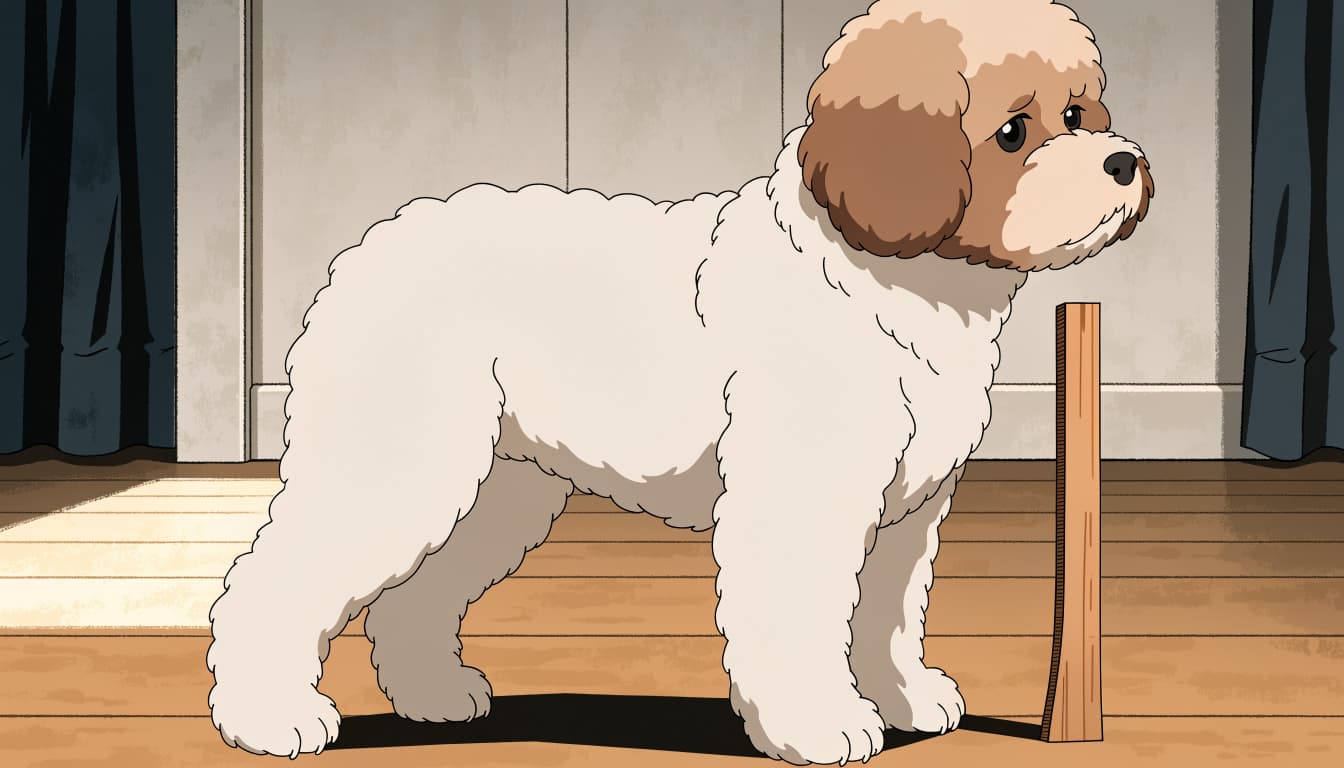
Published ranges differ because a Maltipoo is a cross without a formal breed standard setting its height or weight. Individual dogs can also inherit different builds, even when their parentage sounds similar.
Toy and Miniature Poodle parents can mean different size ranges
A Maltipoo with a Toy Poodle parent is often expected to be smaller than one with a Miniature Poodle parent. Petful's size chart offers these estimates:
- Toy Maltipoos: about 5 to 10 pounds and 8 to 10 inches tall.
- Miniature Maltipoos: about 10 to 20 pounds and 11 to 14 inches tall.
Treat those as examples, not official size classes. Petful has also published a different weight range for each description, which shows how much estimates can vary.
Measure height at the shoulder
Height means the distance from the floor to the top of your dog's shoulders while it stands. It doesn't include the head, and it isn't the same as body length.
That distinction matters when you're shopping. A dog can be short at the shoulder and still need a carrier with enough length to stand, turn, and settle comfortably.
What affects your Maltipoo's adult size?
Your puppy's mix name tells you about its background, not its final measurements. Inherited build, sex, and individual growth all contribute to the adult dog you'll eventually meet.

Check both parents' size and growth history
Ask the breeder or rescue for both parents' adult weights and heights, if those details are available. Meeting the parents can give you a clearer sense of their proportions than a photo or a breed label alone.
Their measurements offer context, but they don't produce an exact formula. A puppy can inherit a different combination of traits from each parent, including a lighter frame or a sturdier build.
Ask about health history, too. You want information that helps you prepare for the whole dog, not just its future sweater size. If parent details aren't available, your veterinarian can help you follow the puppy's growth instead.
Why puppy paws and labels do not predict an exact adult weight
Puppy paws can be adorable, oversized, and completely unqualified to issue a final weight forecast. Age and appearance are useful observations, but none can reliably promise an adult size on their own.
For Maltipoos, terms such as Toy, Miniature, and teacup are informal descriptions rather than official size classes. A smaller-sounding label doesn't automatically mean better health. Focus on the dog's actual measurements and health history instead of treating a marketing term like a certified stat sheet.
When will your Maltipoo stop growing?
Many Maltipoos approach their adult height between 8 and 10 months and continue filling out toward 12 months. Some smaller dogs may mature sooner, while others follow a different timetable.
Your puppy won't necessarily gain weight at the same pace every month. Early growth can be quick, then slow as your dog approaches its adult build. A dog that's nearly finished getting taller may still gain muscle and fill out.
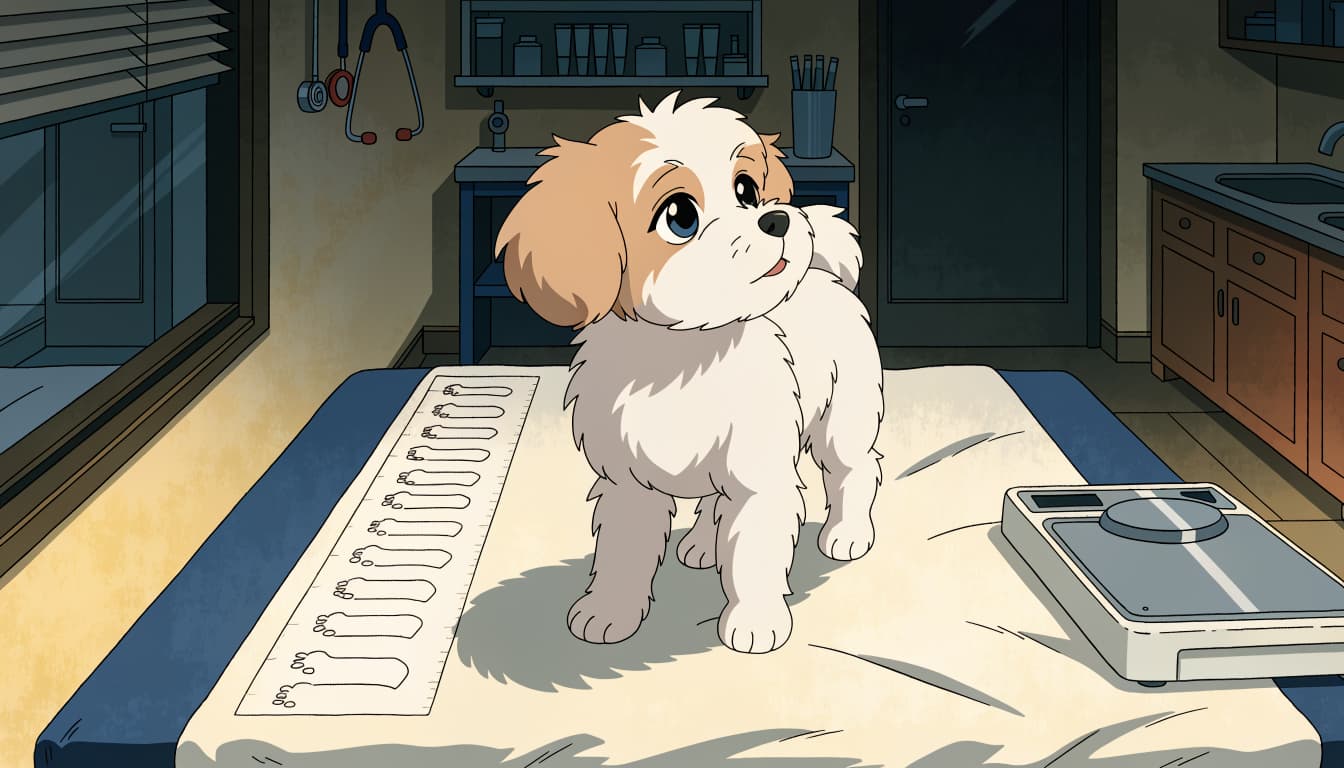
There isn't one growth curve that fits every Maltipoo. Record regular weigh-ins alongside your puppy's age, and bring the record to veterinary visits. Your vet can assess the trend alongside body condition and health rather than judging one number in isolation.
If your puppy isn't growing as expected, or its weight changes suddenly, ask your vet for guidance. A chart can provide context, but your dog's health gets the final say.
For another look at puppy growth and adult-size expectations, watch Maltipoo Weight Guide by Name For Dog:
How to estimate your puppy's likely adult size
You can build a more useful estimate by collecting real measurements over time. Think of it as updating your puppy's profile as new information arrives, not predicting a final number on adoption day.
Keep a simple growth record
Write down your puppy's weight and age at regular intervals. Use the same scale when practical, and record the measurements so you can see the overall trend rather than relying on memory.
You can also measure shoulder height occasionally while your puppy stands on a level surface. Expect some wiggles. Consistency matters more than trying to get a perfectly posed photo.
Bring those notes to your veterinarian, especially if growth seems unusually slow or weight changes without an obvious reason. Your vet can consider the dog's age, build, diet, and health together.
Ask for the information behind the mix
Before adoption or purchase, ask for the parents' adult measurements and available health history. If the rescue doesn't know the parents, ask what it does know about your puppy's age, weight history, and care.
For an adult rescue, the dog's current measurements are more useful for sizing equipment than a guess based on its mix name. Ask for shoulder height, weight, and enough body measurements to choose an appropriate harness or carrier.
That same principle applies to other crosses, including a full-grown Pomeranian Dachshund mix. The individual dog gives you more practical information than the label alone.
What your Maltipoo's size means for everyday care
A small dog still needs a routine built around its body, age, and activity level. The goal is comfortable movement and steady health, not winning a contest against an online size chart.
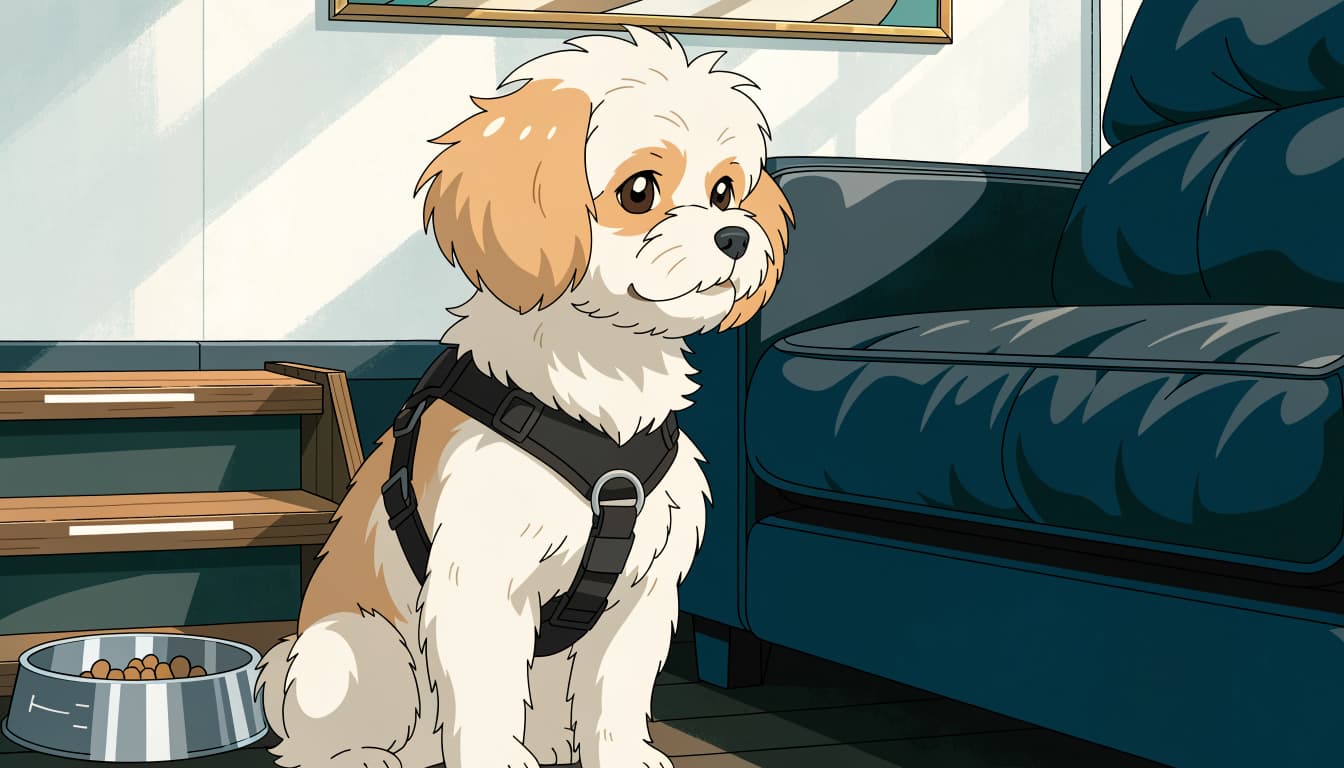
Keep meals measured and check weight over time
Your Maltipoo's food needs depend on its age, activity, and body condition. Measure meals rather than estimating every scoop, and include treats when you discuss the daily diet with your veterinarian.
Follow veterinary advice on portions and adjust them when needed as your puppy grows or your adult dog's activity changes. PetMD's feeding guide explains why the right amount varies between dogs.
Regular weigh-ins help you spot changes. Your vet can also assess body condition, which gives you more context than a number alone. Excess weight can affect a small dog's comfort and health, so bring up concerns before changing the diet on your own.
Choose gear that fits the dog you have
Check that a harness sits comfortably and doesn't rub or restrict movement. Recheck the fit as your puppy grows, and look under the coat for irritation or tangles where straps sit.
Handle your dog gently and support its body when lifting. If getting on and off high furniture is part of the daily routine, consider stable pet steps or a ramp to reduce repeated jumping.
Your Maltipoo also needs regular walks and play suited to its age and health. Adjust the pace to the dog in front of you. A small frame doesn't come with an automatic exercise setting.
Streetwear & Casual Styling
Your dog's harness handles the practical side. Your graphic tee can handle the personality statement.

For an easy dog-parent look, pair the Best Dog Mom tee with jeans and sneakers. The Puppin Irish Luck tee works with a casual layer when you want a little seasonal energy.
Our Cyber-Brutalist Anime Graphic Tees give you room to show off your humor without turning the walk into a full costume assignment. Choose your dog's harness and any weather coat for comfort and fit. Your outfit can make the statement; your dog should be able to move freely.
Frequently Asked Questions
Is a Maltipoo considered a small dog?
Yes. Maltipoos are generally described as small companion dogs, though individual adult height and weight vary. Your dog's measurements are the best guide when choosing supplies or planning its care.
Can you tell how big a Maltipoo will get from its parents?
You can use both parents' adult measurements to set a reasonable expectation. You can't calculate an exact adult size from them because inheritance and individual growth vary.
Is a teacup Maltipoo an official size category?
No. "Teacup" is an informal marketing label, not an official Maltipoo classification. Focus on the dog's health, actual measurements, and available parent history rather than treating the label as a guarantee.
When should you ask a vet about your Maltipoo's weight?
Contact your vet if you notice sudden weight changes, poor growth, or a change in your dog's body condition. An online chart can't assess your individual dog's health or explain why its weight has changed.
Plan for the Dog in Front of You
Your adult Maltipoo may fall within the commonly cited estimate of 5 to 20 pounds and 8 to 14 inches at the shoulder. The range gives you a starting point, not a guaranteed final result.
Parent measurements and your dog's actual growth give you better clues than a mix label alone. Keep a record of that growth and discuss any concerns with your veterinarian.