

How Much Should an 8-Week-Old Puppy Weigh?
TrendReactTees.STORE TeamAn 8-week-old puppy can weigh more or less than another puppy the same age and still be healthy. There's no single number that fits every pup. Breed, expected adult size, and your puppy's own growth pattern all matter.
That can feel less satisfying than a neat number on a chart, especially when your new roommate is approximately 90% ears and enthusiasm. But steady growth and body condition give you and your veterinarian a better picture than a random comparison.
This post may contain affiliate links. If you make a purchase through these links, I may earn a small commission at no extra cost to you.
And if your puppy has already taken over your camera roll, our Dog Eats Custom Kibble Tee and Best Dog Mom Tee understand the assignment. Let's get into what your puppy's weight can tell you, and when it's time to call your vet.
Key Takeaways
- Eight-week-old puppies don't have one universal healthy weight. Their breed, expected adult size, and individual growth all matter.
- Record your puppy's weight about once a week under similar conditions, unless your veterinarian recommends a different schedule.
- Ask your veterinarian to assess body condition alongside the number on the scale.
- A suitable puppy growth chart can help track progress over time, with veterinary guidance.
- Contact your veterinarian promptly if your puppy loses weight, isn't gaining, or seems unwell.
How much should an 8-week-old puppy weigh?
There isn't a dependable weight range that fits every 8-week-old puppy. A number that makes sense for one pup could be far too high or low for another, even when both are the same age.
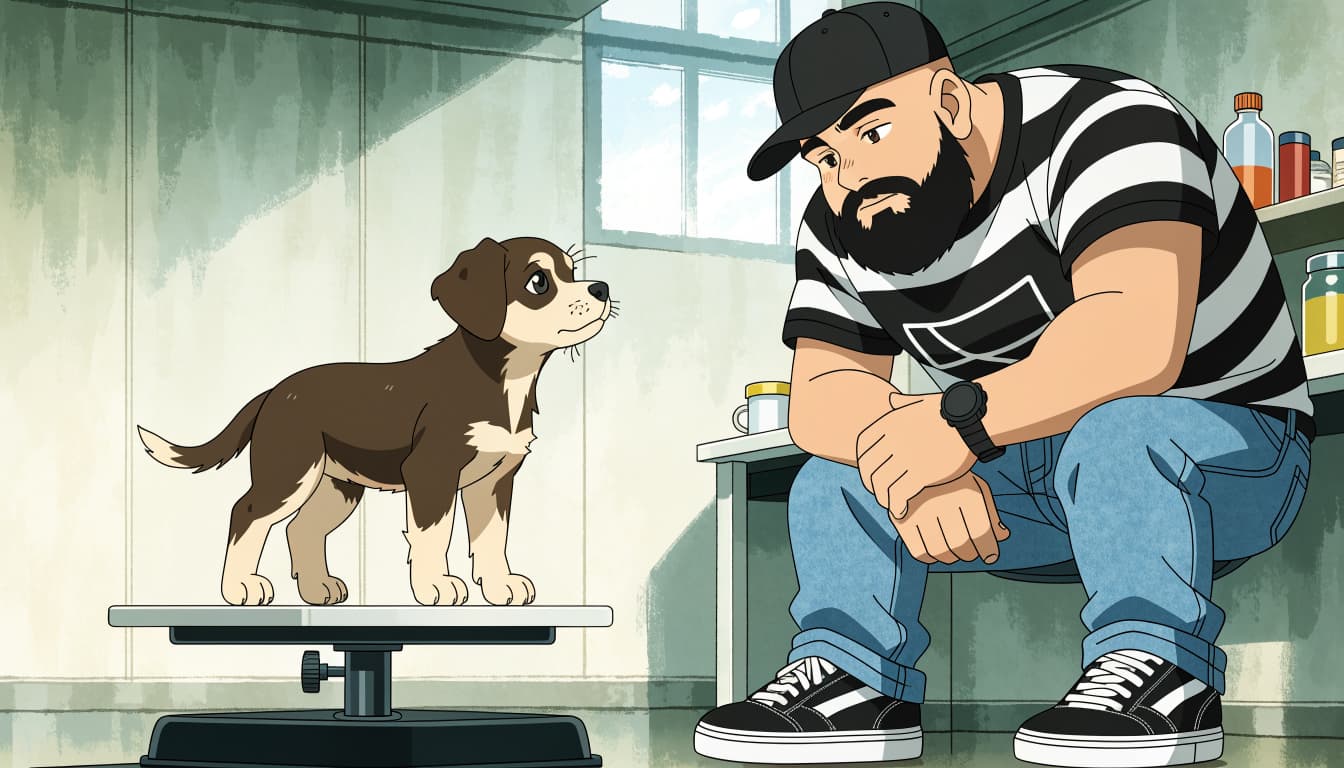
Start with your puppy, not a universal target
Your puppy's breed or mix, expected adult size, and previous growth give the scale reading context. If you know the parents' adult sizes, share those details with your veterinarian too.
A puppy expected to become a large dog has a different growth path than one expected to stay small. That doesn't mean every puppy of a particular breed should weigh exactly the same amount at eight weeks. Individual dogs have individual builds, even when their family trees look similar.
If you don't know your puppy's breed or history, that's okay. Your veterinarian can work with the information you have and update expectations as your puppy grows.
Look at more than one weigh-in
A single weight is a starting point. A series of measurements helps show whether your puppy is gaining over time, while a body-condition assessment helps your vet judge how that weight fits your puppy's frame.
Bring any earlier weights or records to your appointment, including dates if you have them. Your vet can consider those alongside your puppy's age, diet, and physical condition.
The goal is a healthy growth pattern for your puppy. Your friend's puppy doesn't get to set the leaderboard.
Why puppies of the same age can weigh so differently
Puppies arrive with different genetic blueprints. Expected adult size, inherited build, nutrition, and environment all play a part in how they grow.

Breed and family history add context
A puppy's parents can offer useful clues about adult size, especially when you know their actual weights. For mixed breeds, those clues may be more helpful than a guess based on the puppy's appearance alone.
Take a Pomeranian Dachshund mix. Whether the Dachshund parent is miniature or standard can affect expectations, but neither parent gives you a guaranteed adult measurement. Our guide to Pomeranian Dachshund mix size and care explains why the individual dog's build matters.
Adult breed-weight charts also need a reality check: they describe adult dogs, not what an eight-week-old puppy should weigh. You can't turn an adult number into a reliable puppy target by applying a quick formula.
Nutrition and individual growth matter, too
Even puppies from the same breed or litter may grow at different rates. Their early feeding history, health, and living conditions can influence the pattern you see.
That makes a conversation with your vet useful if your puppy's background is limited. Share what you know about previous food, any recorded weights, and the age you brought your puppy home. Missing details don't mean you've failed the puppy-parent tutorial.
Large-breed puppies have their own nutritional considerations during growth. VCA's large-breed nutrition guidance discusses growth charts and body condition as tools for monitoring them.
How to track your puppy's growth at home
A simple record gives you something more useful than a vague memory that your puppy looked smaller last Tuesday.
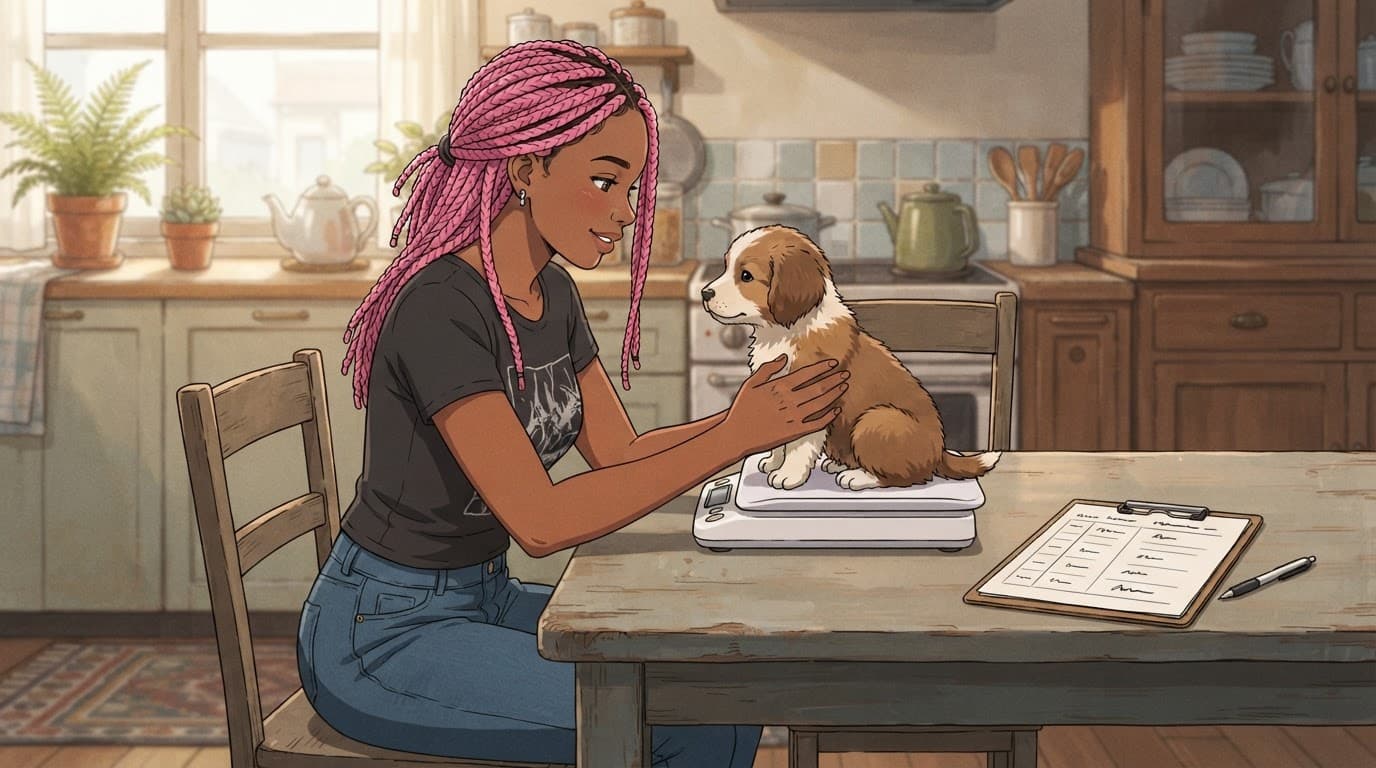
Make each weigh-in useful
For many eight-week-old puppies, weighing about once a week is a practical routine. Use the same scale and similar conditions each time, then record the date and weight. Your veterinarian may recommend a different schedule if there's a concern.
A puppy growth chart matched to your dog's sex and expected adult size can help you follow the trend. Ask your vet to help choose and interpret it, especially if your puppy's eventual size is uncertain.
WALTHAM's current growth curves are validated from 12 weeks, although you can plot earlier weights. A reading at eight weeks is useful history for your vet, not a standalone diagnosis. The WALTHAM growth chart guide explains how changes across chart lines can help identify a pattern worth discussing.
This Waltham Petcare Science Institute video shows how to plot a puppy's measurements:
Use meals and body condition to support steady growth
Choose a complete puppy food, measure portions, and follow the label and your veterinarian's feeding advice. Don't add extra food just to hit a weight you found online. Your puppy's snack requests are persuasive, but they're not a nutrition plan.

Ask your vet for a body-condition check at regular visits. The scale can't tell you on its own how much of your puppy's weight is appropriate for their frame. VCA's guide to feeding growing puppies covers growth monitoring and body condition together.
When your puppy's weight calls for a vet visit
Contact your veterinarian promptly if your puppy loses weight or isn't gaining. A pause or change in growth deserves a professional look, particularly when your puppy is still so young.
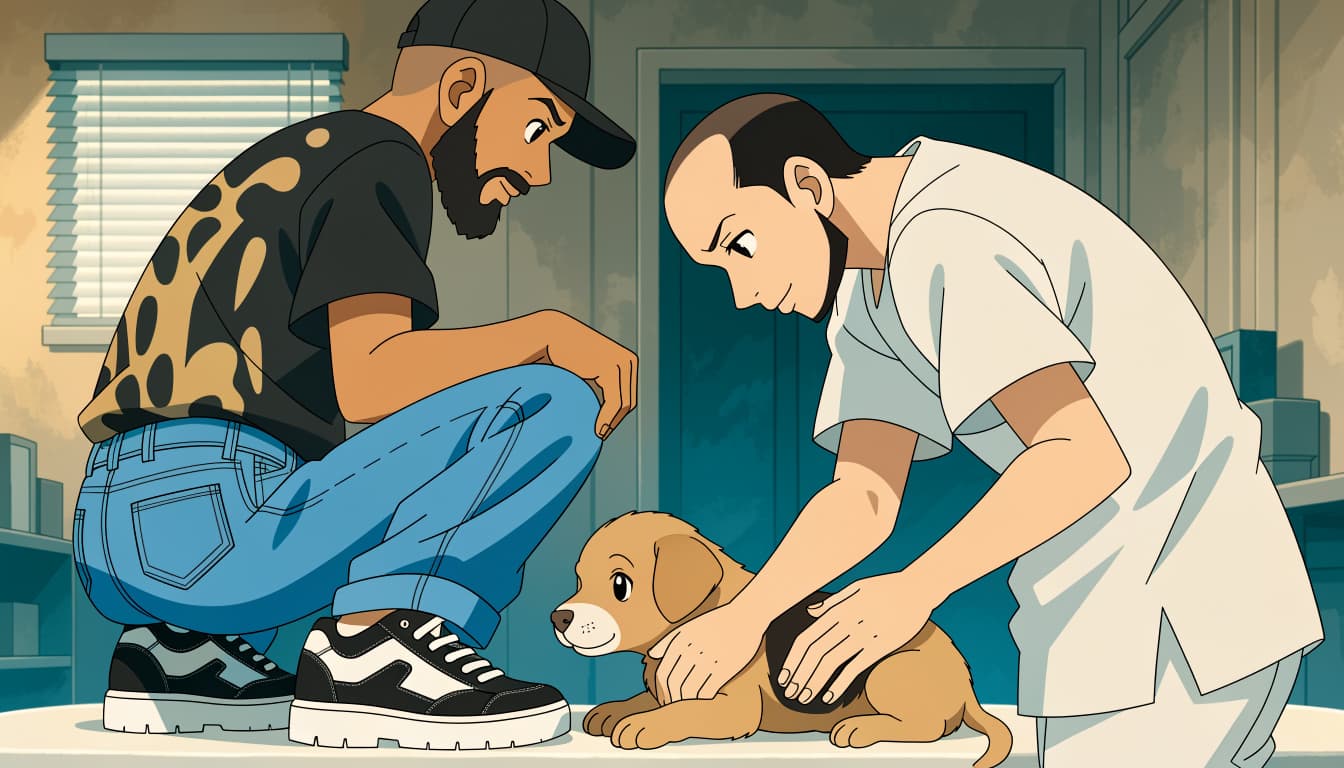
What to share when you call
Tell the veterinary team if your puppy seems unwell, even if you haven't noticed a weight change. You don't need to figure out the cause before asking for help. If your puppy collapses or has trouble breathing, seek emergency veterinary care.
Have your recorded dates and weights handy. Your vet may also ask about your puppy's food, portions, appetite, and any changes you've noticed. Bring the food packaging or a photo of its label to an appointment, along with any records from before your puppy came home.
If a measurement surprises you, you can repeat it on the same scale, but don't delay calling over a concerning result. Your vet can decide what the pattern means and whether your puppy needs an examination.
Streetwear & Casual Styling
Your puppy's care comes first. Once the weigh-in is done, your casual outfit can still have main-character energy.
Pair our Scream at the Void Tee with relaxed jeans and sneakers for a Cyber-Brutalist Anime graphic look. Prefer a tech joke? Style the If They Could Use the Internet Tee with dark pants and a simple jacket. Your puppy may still consider your shoelaces the main event.
Frequently Asked Questions
Should you compare your puppy's weight with another puppy's?
Another puppy's weight won't tell you whether yours is healthy. Even puppies the same age can have different builds and expected adult sizes. Compare your puppy's own measurements over time and ask your veterinarian to interpret the pattern.
How often should you weigh an eight-week-old puppy?
About once a week is a practical home routine for many puppies. Record the date and use similar conditions so the readings are easier to compare. If your vet is concerned about your puppy's health or growth, they may recommend more frequent checks.
Can a puppy's paws predict its adult weight?
Paw size can't reliably predict a precise adult weight. Your puppy's breed, parents' sizes, and growth record offer better context, although they still won't guarantee an exact result. Your veterinarian can help you make a more useful estimate as your puppy grows.
Should you feed more if your puppy seems small?
Don't change portions based on appearance or a guessed target weight. Ask your veterinarian to review your puppy's food, body condition, and weight trend first. They can advise you on portions that suit your puppy rather than another dog's schedule.
Give your puppy's growth a little context
Age alone can't tell you what your eight-week-old puppy should weigh. Your puppy's build, expected adult size, and growth history give that number meaning.
Keep a weekly record, ask your vet about a suitable growth chart, and include body-condition checks in your routine. If your puppy loses weight, doesn't gain, or seems unwell, reach out promptly. You've got a veterinarian on your team, and your puppy doesn't have to match anyone else's stats.