

Lake Ray Hubbard Swimming: Know Your Access Options
TrendReactTees.STORE TeamOfficial public-access listings don't identify a designated swimming beach at Lake Ray Hubbard or confirm swimming permission at the named parks and launch sites. Before entering the water, check the rules for your exact destination, because public shoreline access doesn't automatically include swimming.
For optional casual wear after your outing, you can pack our Nature Is My Wifi tee or Spent $500 Keychains Cant Afford Water tee, neither is swimwear or safety equipment. Your post-lake outfit can have main-character energy while your water plans stay grounded in actual access rules.
Start with what the official listings establish, rather than what a scenic map pin suggests.
This post may contain affiliate links. If you make a purchase through these links, I may earn a small commission at no extra cost to you.
Key Takeaways
- Official lake-access listings don't identify a designated swimming beach or establish swimming permission at the named launch sites.
- Robertson Park's day-use listing and Paddle Point Park's non-motorized designation describe facilities, not authorized swimming areas.
- Keep clear of ramps and boat traffic, supervise children closely, and wear properly fitted life jackets for boating.
- Plan around permitted activities, local notices, and weather. Choose a separately confirmed swimming venue when swimming is your priority.
Lake Ray Hubbard Swimming: What Access Is Actually Confirmed?
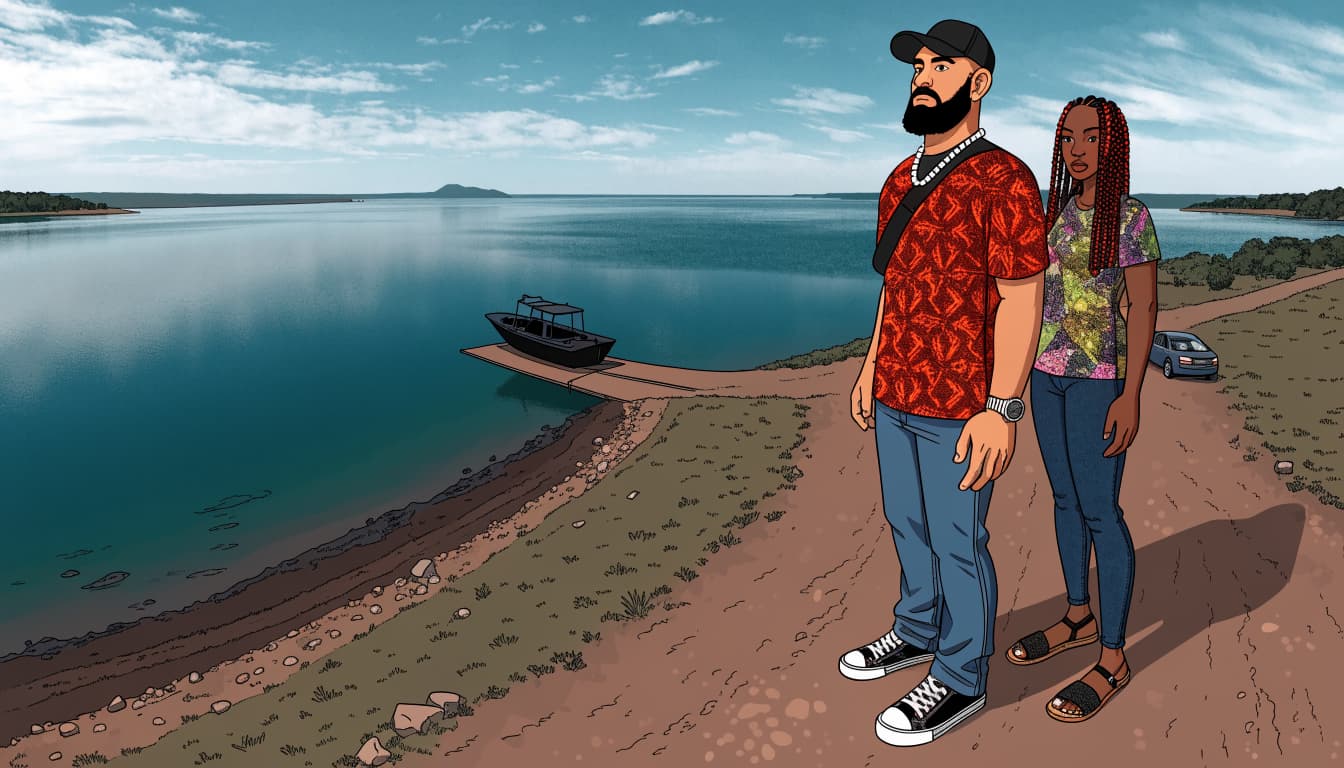
What the public-access listing establishes
The TPWD lake-access listing documents facilities for day use, fishing, boating, and paddling. It doesn't identify a designated swimming beach or establish swimming permission at the named launches.
That distinction matters when you're deciding where to spend your afternoon. A facility can provide access for one activity without providing access for another. Bank fishing access, for example, doesn't establish a maintained swimming area.
What you shouldn't infer
You can't turn an access listing into a lake-wide swimming permission or prohibition. Neither conclusion is supported by the available site information.
Use the rules and posted instructions for your destination before entering. Other people in the water, a shoreline photo, or an unofficial recommendation don't establish authorization. Your towel hasn't unlocked a secret beach level.
For practical boating context, WFAA's Lake Ray Hubbard safety report features Texas Parks and Wildlife advice on life jackets and trip preparation.
Which Lake Ray Hubbard Parks Are for Day Use, Boating, or Launching?

Robertson Park: understand the listing's limits
TPWD's access page describes Robertson Park as a large day-use area with bank fishing and two boat ramps. Those are the listed facilities, not confirmation of swimming access.
There's also a source discrepancy worth understanding. TPWD's 2024 reservoir fisheries survey, published in 2025, reports that several public ramps were lost after Dallas sold Robertson Park to private developers.
That conflicts with treating the access page's two-ramp description as a settled picture of usable facilities. You shouldn't build your itinerary around an assumed ramp count, much less infer a swimming beach from it.
Paddle Point Park: a paddling designation
TPWD identifies Paddle Point Park as a City of Rowlett facility for non-motorized craft only. Its listed address is 6775 Miller Rd, Rowlett, TX 75088.
The official listing describes a single-lane gravel-and-dirt ramp. That gives you concrete information about launch access, but it doesn't identify a swimming beach.
"Non-motorized" describes craft access. It doesn't establish that the water beside the launch is open for swimming. Likewise, a marina or accessible shoreline isn't automatically a place to enter the lake.
For any swimming plan, the park operator's site rules need to support the activity before you enter.
How to Stay Safer Near the Water
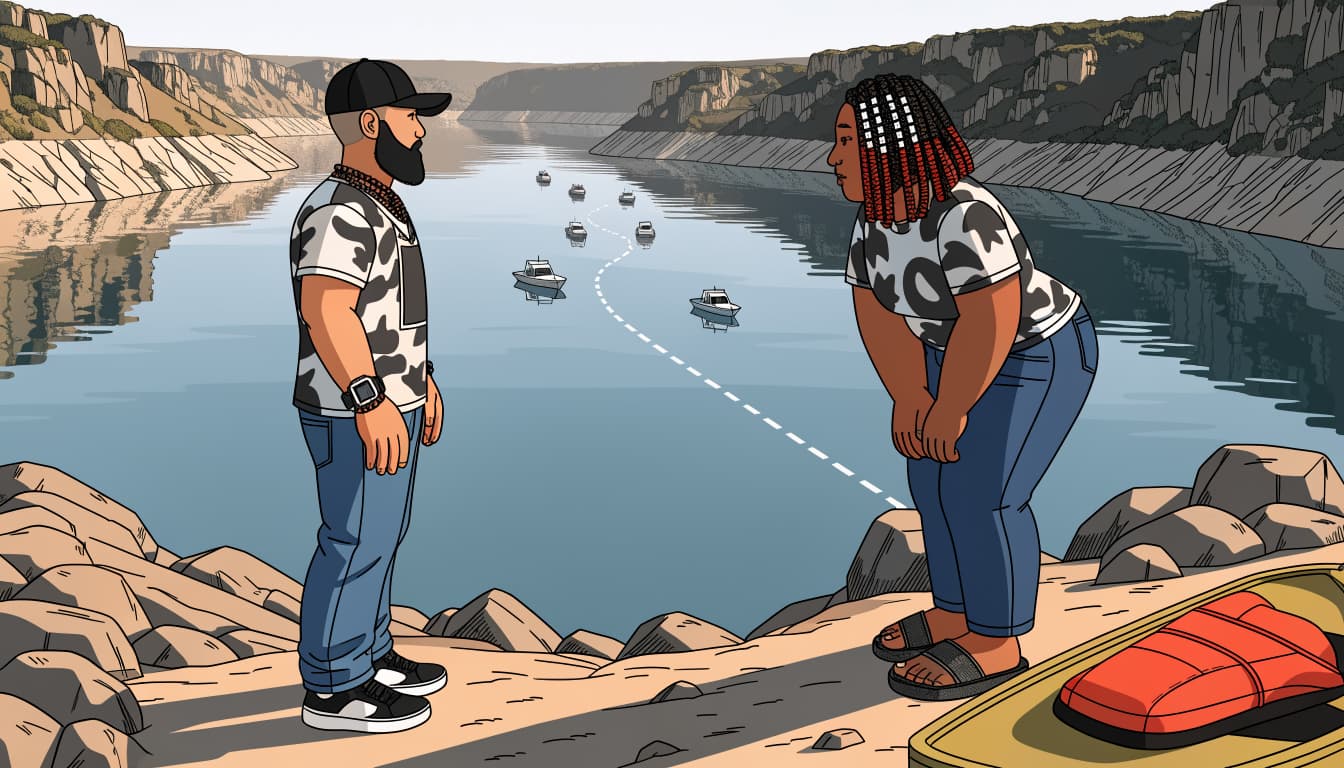
Keep people clear of boats and sudden depth changes
Stay clear of boat ramps, launch lanes, and active boating routes. Those spaces involve moving vessels and equipment; they aren't suitable places to improvise a swimming area.
Open water can include abrupt depth changes, currents, submerged obstacles, and limited visibility. A shallow-looking edge doesn't tell you what happens a few steps farther out. Don't dive into unfamiliar water.
Where swimming is authorized, don't swim alone. Keep children under close, constant supervision, with a designated adult focused on them rather than a phone.
For boating or paddling, wear a properly fitted life jacket. Follow the manufacturer's sizing and fastening instructions. These general precautions are consistent with the USACE water-safety program, but they don't replace Lake Ray Hubbard's site-specific rules.
Keep water-quality claims separate from appearances
The available information doesn't establish Lake Ray Hubbard's current water-quality or algae status. You can't responsibly label the water safe or unsafe based on these access listings.
Check current local park and public-health notices before water contact. Stay out of visibly discolored, scummy, unusually foamy, or debris-filled water, and obey closure signs.
Clear-looking water isn't proof of acceptable water quality, either. A pretty surface is excellent for photos and useless as a laboratory report.
If conditions look questionable, keep your plans on shore. You don't need to settle the cause of suspicious water before choosing to avoid it.
Plan a Lake Day Without Assuming You Can Swim

Build your outing around a specific access point and an activity allowed there. A Lake Ray Hubbard boat-ramp directory can help distinguish launch locations, but a ramp listing doesn't answer the swimming question.
Before leaving, review the weather and current local notices. Thunderstorms, strong wind, and changing conditions are good reasons to change an open-water plan.
Bring drinking water, sun protection, suitable footwear, and gear matched to your activity. Keep your phone and dry clothes protected against splashes. If you're paddling, select water-appropriate clothing rather than treating your regular streetwear as aquatic equipment.
Our paddleboarding clothing guide separates on-water choices from the dry outfit you change into afterward.
Choose boating, paddling, fishing, or shoreline time only where those activities are allowed. A picnic and lake view can still carry the afternoon without an unauthorized swim becoming the plot twist.
If swimming is the main goal, identify a separate, officially designated swimming venue before departure. That gives you a real backup instead of making your whole group troubleshoot beach access in the parking lot.
Keep everyone clear on which plan you're following, especially when children expect to get in the water.
Streetwear & Casual Styling

Once you're dry and finished with lake activities, change into a fresh tee. Your casual outfit can stop doing jobs it was never hired for.
Our Cyber-Brutalist Anime Graphic Tees give you an expressive post-lake look. Pair the Spent $500 Keychains Cant Afford Water tee with dark denim and black-and-white sneakers. Let the graphic handle the chaos while everything else stays simple.
For an outdoors-focused option, wear the Nature Is My Wifi tee with relaxed cargos and a lightweight overshirt. Keep the front graphic visible instead of burying it under competing patterns.
Pack your dry outfit separately so a splash doesn't claim both sets of clothes. Graphic tees belong in your casual wardrobe, never in place of a swimsuit or life jacket. Your shirt can communicate your personality; it can't provide flotation.
Frequently Asked Questions
Do children have to wear life jackets on boats?
Texas law requires children younger than 13 to wear a U.S. Coast Guard-approved life jacket aboard recreational vessels under 26 feet while underway. TPWD explains that underway includes drifting or not being anchored. This boating requirement doesn't establish swimming permission from shore.
Can you choose an inflatable life jacket for a child?
TPWD says inflatable life jackets aren't approved for people younger than 16. Choose an approved, properly fitted child-sized jacket instead. An adult jacket that rides up or slips off isn't a substitute.
What should you include in a paddling float plan?
Tell a trusted person where you're launching, your intended route, who's going, and when you expect to return. Include a description of your craft and what to do if you're overdue. A float plan gives someone useful information if you don't return as expected.
What should you do if someone is struggling in the water?
Call 911 and alert nearby staff if available. From a secure position, reach with a suitable object or throw flotation rather than jumping in and creating another emergency. Follow the dispatcher's instructions and provide the clearest location information you can.
Enjoy the Lake, but Confirm Swimming Access First
Public access to Lake Ray Hubbard doesn't establish authorized swimming access. A ramp, fishing bank, or day-use listing answers a different question than a designated swimming beach does.
Check the rules and current conditions for your exact destination before entering the water. If swimming permission isn't established, keep your outing to allowed activities or choose another confirmed swimming option.
You can enjoy the lake without turning an assumption into your day's least useful decision.