

My Puppy Is Lazy and Sleeps All Day: Should I Worry?
TrendReactTees.STORE TeamA puppy who sleeps all day can be perfectly healthy, but a sudden change in energy deserves attention. If you're thinking, "My puppy is lazy and sleeps all day," the useful question is how your puppy behaves when awake.
Your pup may need another nap after a busy morning, or they may be showing signs that warrant a call to the vet. For your own dog-lover wardrobe, our My Therapist Is A Dog Tee and Best Dog Mom Tee are optional ways to wear your personality. First, let's sort ordinary puppy sleep from the warning signs that need attention.
This post may contain affiliate links. If you make a purchase through these links, I may earn a small commission at no extra cost to you.
Key Takeaways
- Puppies often sleep around 18 to 20 hours a day, though individual needs vary.
- A healthy sleepy puppy generally wakes, responds, moves normally, and returns to familiar activities.
- A noticeable change in energy or responsiveness calls for prompt veterinary advice.
- Difficulty waking, collapse, an inability to walk, or pale, blue, or gray gums need emergency care.
- Track changes in appetite, drinking, bathroom habits, and behavior to give your vet useful information.
My Puppy Is Lazy and Sleeps All Day: Is That Normal?
Yes, plenty of sleep can be normal for a puppy. Many puppies sleep about 18 to 20 hours in a day, including naps and overnight rest. The American Kennel Club notes that puppies need substantial sleep after periods of activity.
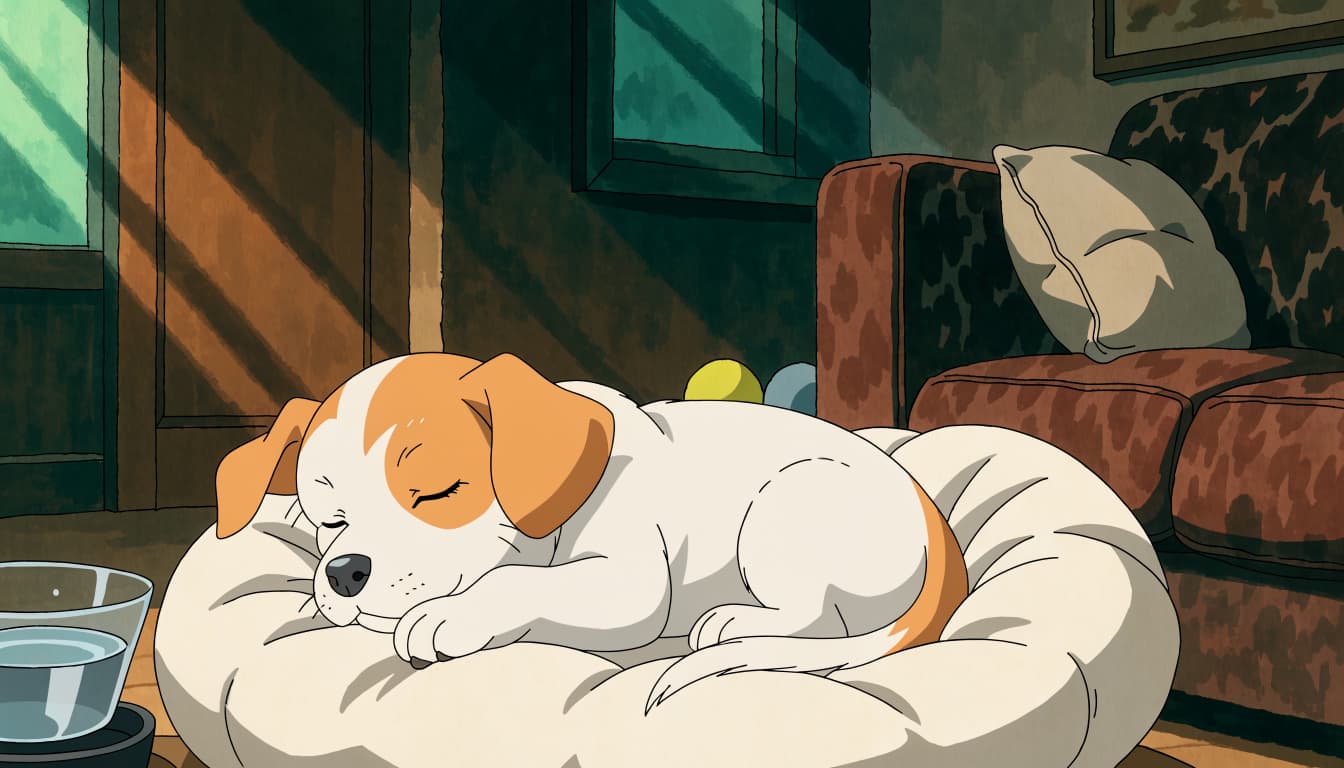
Your puppy's day might look like a short burst of play, a meal, a bathroom break, and another nap. Repeat. For a tiny creature learning how to exist in a house full of unfamiliar sounds, that can be a perfectly reasonable schedule.
Sleep needs vary with age, activity, health, and temperament. A quieter puppy isn't automatically sick, and a playful puppy doesn't need to perform on command to prove they're healthy. The important part is whether their waking behavior fits what's normal for them.
Young puppies also need frequent bathroom breaks, including overnight. Give your puppy a comfortable place to rest, while keeping their feeding and potty routine in mind. A long nap doesn't mean you should expect a young puppy to hold their bladder indefinitely.
If the sleeping seems new or your puppy is also acting differently, pay attention to the change. Sleep duration alone can't tell you whether your puppy feels well. Even if your puppy falls within that common range, a marked drop in energy still matters.
How to Tell Normal Puppy Sleep From Lethargy
Your puppy's usual behavior is a better comparison than the hyperactive dog on your feed. A sleepy puppy may need rest after play or a new experience. A lethargic puppy seems unusually subdued and may stay that way after a nap.
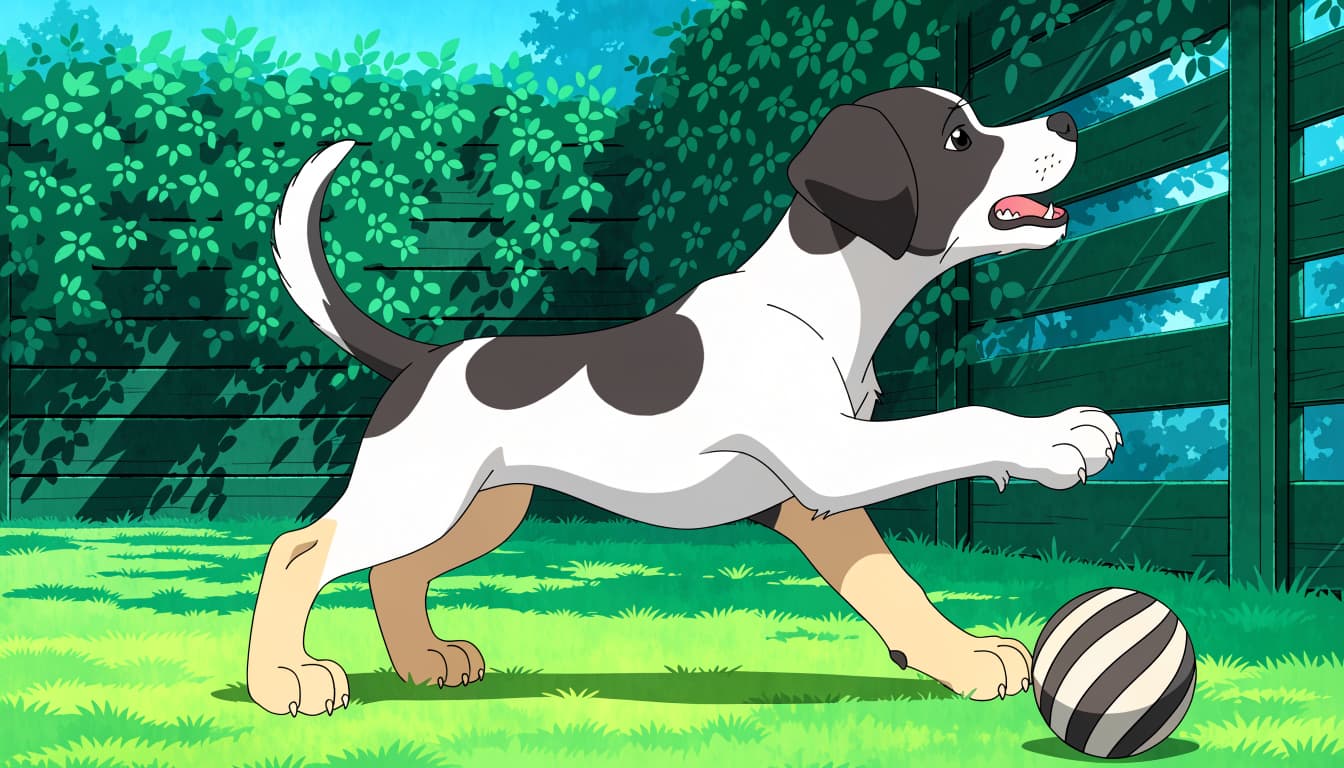
What a healthy sleepy puppy usually does
When your puppy wakes, you should generally see their familiar personality return. They respond to your voice or other familiar cues, get up and walk normally, and show their usual interest in food, people, or play.
That doesn't mean every waking moment needs to be full-speed chaos. Your puppy may stretch, look around, and take a little time to get moving. What matters is that they become alert and behave like themselves.
A busy training session, visitors, or a trip somewhere new can leave a puppy ready for extra rest. Overstimulation can be tiring too. Give them a quiet place to recharge and notice how they act afterward.
What to track when your puppy seems unusually tired
If something feels different, note when you first noticed it and whether it's getting worse. Has your puppy stopped coming over for a familiar toy? Are they slower to respond, or reluctant to get up when they normally would?
Keep an eye on appetite, drinking, urination, walking, and interest in play. Your notes don't need to be elaborate. A few details can help your veterinarian understand what changed and decide how quickly your puppy needs care.
The AKC's guide to lethargy in dogs describes reduced energy and reluctance to participate in normal activities as signs to watch. A persistent change matters more than whether your puppy hits a particular sleep-hour total.
When Your Puppy's Sleepiness Needs a Vet
Contact your veterinarian promptly if your puppy has a marked change in energy, refuses familiar activities, or responds less than usual. You know their normal routine. If that routine suddenly looks wrong, a call is reasonable.
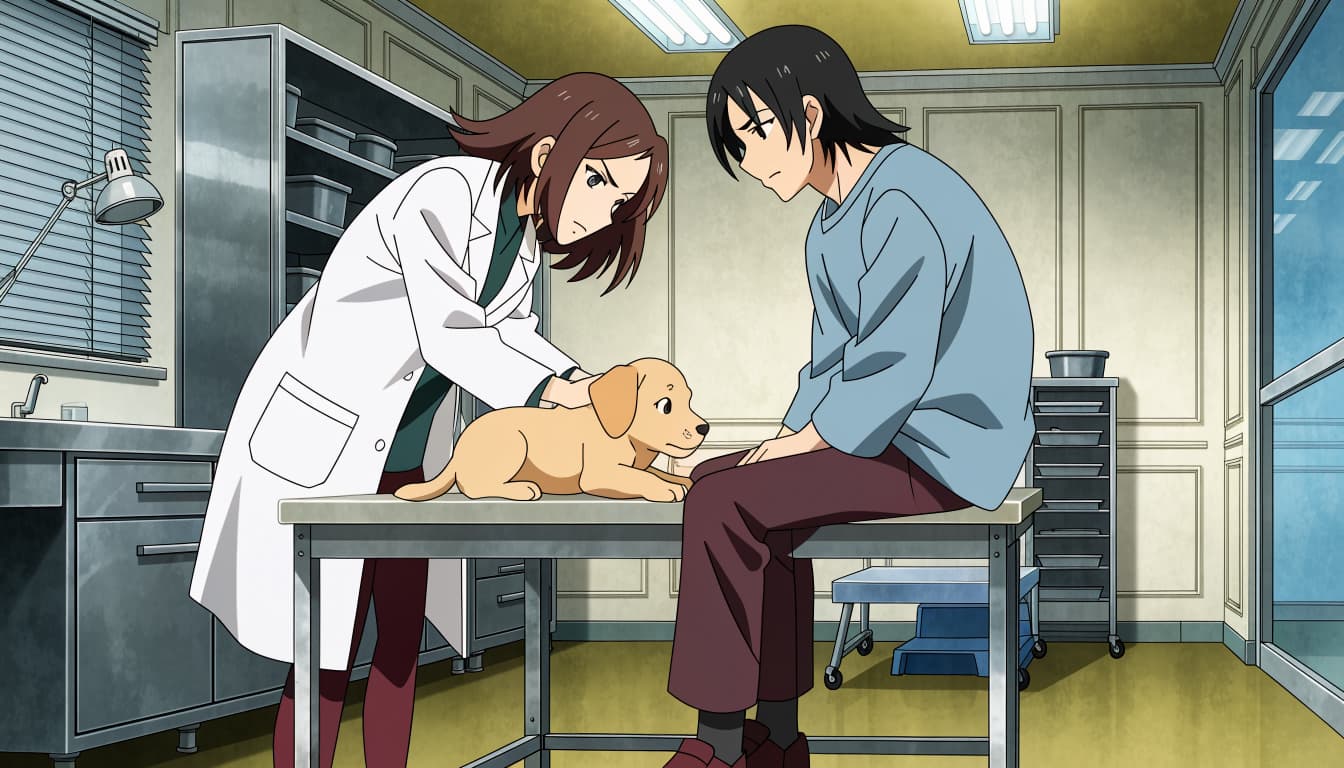
Signs that need emergency care now
Go to an emergency veterinarian immediately if your puppy is difficult to wake, can't stand or walk, collapses, or has pale, blue, or gray gums. Call the hospital on your way when possible, but don't delay travel to keep watching at home.
Repeated vomiting or diarrhea, blood in vomit or stool, weakness, and reduced responsiveness also need urgent veterinary attention. Puppies can become ill quickly, so don't wait for a set number of hours if your puppy is worsening.
Heat distress is another emergency. If your puppy has been in hot conditions and is excessively panting, weak, or unusually subdued, move them to a cooler place and contact a veterinarian immediately. Use cool water, not ice or ice water, while arranging care.
What to tell the veterinary team
Share when the change began, what your puppy is doing differently, and whether they've eaten, drunk water, vomited, or had diarrhea. Mention any possible exposure to medication, a household product, or something else they shouldn't have eaten.
Don't give human medicine or try to induce vomiting unless a veterinarian instructs you to. Bring relevant packaging if you can do so without delaying care.
Video Vets Now explains how unusual sluggishness can show up in everyday activities:
What You Can Do Today to Check on Your Puppy
If your puppy seems comfortable and has no emergency signs, take a calm look at their usual routine. Your observations can help you decide what to discuss with the vet. They don't replace an examination.
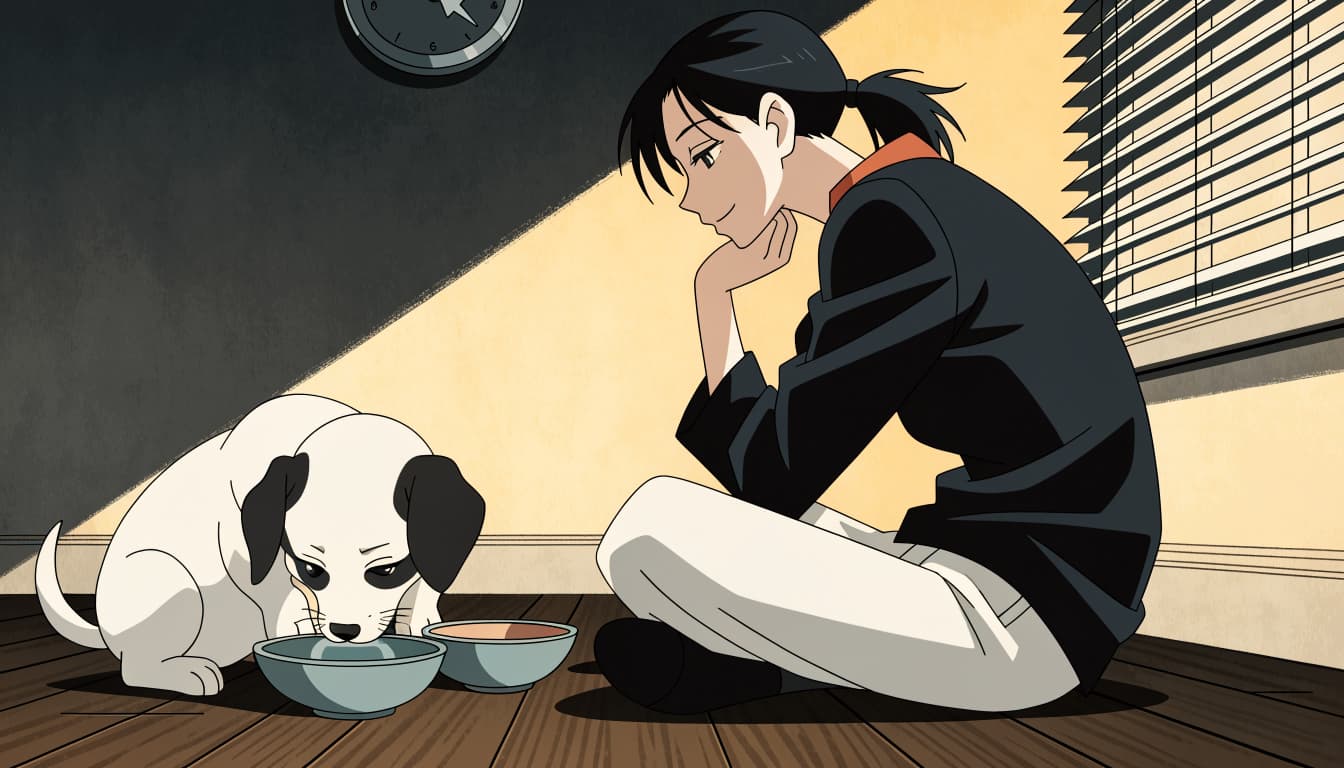
Watch their movement and response
When your puppy wakes, speak to them as you normally would. Notice whether they recognize you, get up comfortably, and walk without stumbling or obvious difficulty. Offer a familiar toy and observe their response without pushing them to play.
A puppy who rests after a stimulating day and then returns to their usual routine may simply be tired. If they're noticeably less responsive or don't return to their normal behavior, call your vet. Don't wait for improvement if they become weaker or harder to wake.
You can also make their resting space calm and comfortable. Let your puppy settle away from noisy activity, and keep interactions gentle. A quiet break is useful; repeatedly testing an exhausted puppy isn't.
Check food, water, and bathroom habits
Notice whether your puppy eats and drinks as usual. Watch for vomiting, diarrhea, changes in urination, or a combination of symptoms. The AKC includes appetite and digestive changes among the concerns worth discussing with a veterinarian.
Write down what you notice and roughly when it started. If you call, you can describe the change clearly instead of trying to reconstruct the whole day from memory.
A skin-tent check at home isn't a reliable substitute for a professional hydration assessment. If you're worried about dehydration, especially alongside vomiting, diarrhea, or weakness, contact your vet rather than relying on that check.
For a long-backed puppy such as a Pomeranian Dachshund mix, pay attention to changes in movement or signs of pain as well. Our guide to full-grown Pomeranian Dachshund mix care covers more about the dog's needs as they grow.
Streetwear & Casual Styling
Your puppy's health comes first. Once they're comfortable and cared for, your outfit can have a little dog-person energy too.
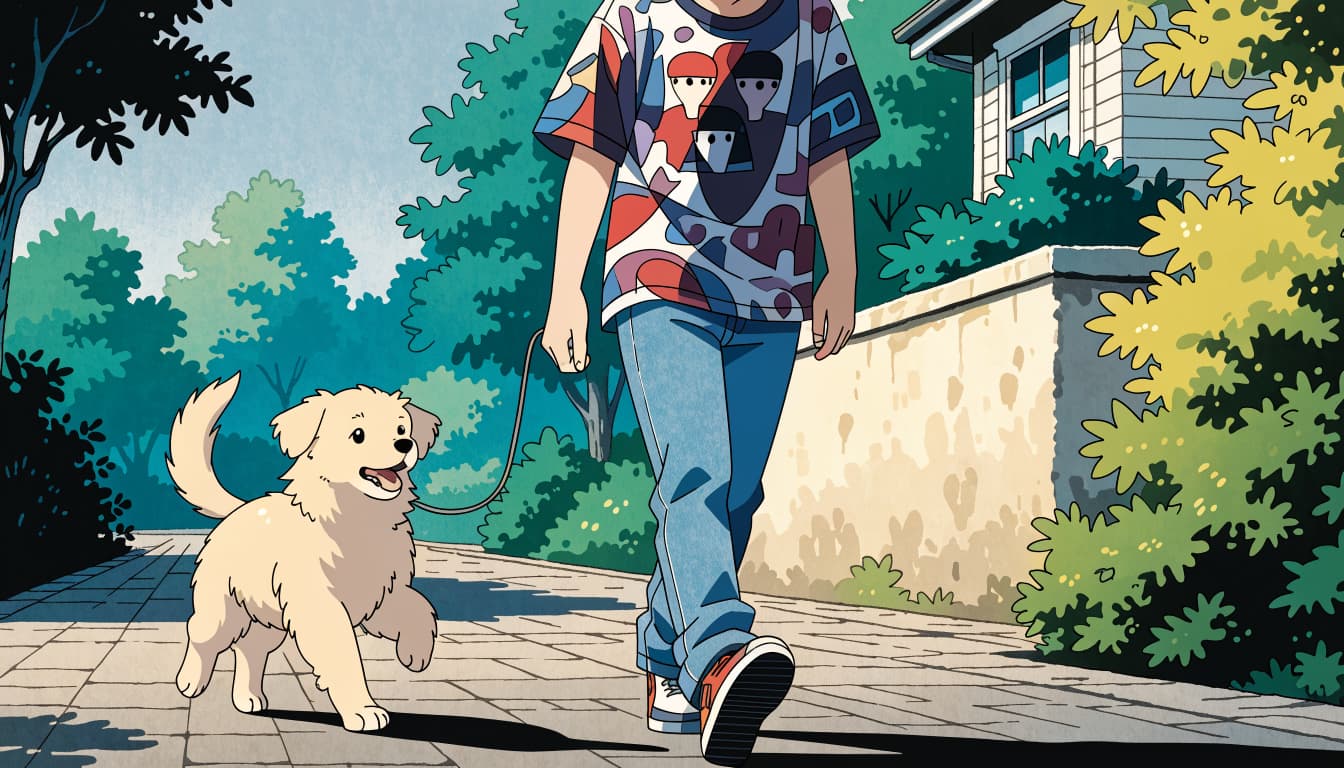
Pair a Cyber-Brutalist Anime Graphic Tee with simple jeans and comfortable shoes for an easy casual look. Our Dog Eats Custom Kibble Living On Ramen Tee puts a familiar dog-parent budget joke front and center.
For another internet-fluent option, try the If They Could Use Internet We'd Be In Trouble Tee. Your puppy may not understand the reference, but your fellow dog lovers probably will. Clothing is a fun way to show your personality; attentive puppy care is still the priority.
Frequently Asked Questions
Should you wake your puppy from a long nap?
A healthy puppy can generally rest undisturbed, while regular feeding and bathroom needs still matter. If the nap seems unusual or you're concerned about responsiveness, gently check in. Difficulty waking your puppy is an emergency and needs immediate veterinary care.
Can a puppy sleep more after a busy day?
Yes. Play, training, visitors, and new surroundings can leave your puppy ready for extra rest. You should still see your puppy wake and return to their usual behavior afterward. If they remain unusually subdued or seem worse, contact your veterinarian.
Should you worry if your puppy eats less and sleeps more?
A drop in appetite alongside unusual tiredness deserves a call to your veterinarian. Contact them promptly if you also notice weakness, vomiting, diarrhea, or reduced responsiveness. Don't rely on a set number of missed meals to decide when your puppy needs help.
When should you call the vet about a sleepy puppy?
Call promptly when you notice a meaningful change in your puppy's energy or response to familiar activities. Seek emergency care now if your puppy is difficult to wake, collapses, or can't stand or walk. If you're unsure how urgent the situation is, call your veterinarian and describe what you're seeing.
Give Your Puppy Rest and Watch for Change
Long naps can be part of a healthy puppy's routine. Your best clue is what happens when your puppy wakes: their movement, response, and interest in everyday life should look familiar.
If you notice a sudden or lasting change, write down what you see and contact your veterinarian. For serious warning signs, seek emergency care immediately. You don't have to diagnose the problem yourself to make the right call.