

Puppy Shivers When Falling Asleep: When to Call a Vet
TrendReactTees.STORE TeamIf your puppy shivers when falling asleep, brief, gentle movements can happen during dreaming. Shaking while awake, persistent trembling, or shivering with other symptoms deserves a call to your vet.
Seeing your tiny roommate tremble at bedtime can send your brain straight into emergency mode. Take a breath, watch their overall behavior, and look for the signs that separate a sleepy twitch from something more concerning.
This post may contain affiliate links. If you make a purchase through these links, I may earn a small commission at no extra cost to you.
For the dog-lover side of your wardrobe, our Puppin Irish Luck Tee and My Therapist Is A Dog Tee bring the puppy appreciation. Your pup's health comes first, so let's look at what to watch for.
Key Takeaways
- Brief paw, face, or body twitches during sleep can happen during dreaming, especially if your puppy seems normal after waking naturally.
- A chilly room can cause shivering, but movement alone won't tell you what's causing it.
- Call a vet promptly for persistent or unexplained shaking, especially when your puppy is awake or seems unwell.
- Collapse, suspected poisoning, repeated seizures, or a seizure lasting more than five minutes requires emergency care.
- Give your puppy a dry, comfortable sleep space and observe without shaking them awake.
Why Your Puppy Shivers When Falling Asleep
Your puppy's paws may start moving just as the household finally goes quiet. That can be unsettling, but small, occasional movements during sleep can occur during dreaming.
The reassuring details are bigger than the twitch itself: your puppy remains asleep, breathes normally, and acts like themself when they wake naturally. A movement pattern alone can't confirm the cause or rule out illness.

What normal sleep twitching can look like
You might notice a paw flick, a little facial movement, or a brief shiver through the body. The movements may come and go rather than continue without stopping. Your puppy can stay asleep through the whole thing.
Watch from nearby instead of shaking or startling your puppy awake. When they wake on their own, notice whether they respond to you and move around as usual.
If the episode looks unusual, continues, or comes with other symptoms, call your vet. You don't have to decode every twitch like it's a secret level.
How cold can cause shivering
A drafty room, damp bedding, or a cold floor can leave a small or young puppy feeling chilly. Check the sleeping area for a breeze, and replace any wet bedding with a dry layer.
A comfortable room may help if cold is part of the problem. Still, don't assume temperature explains persistent trembling, especially if your puppy shivers while awake. Shaking can have other causes, and your vet can help you decide what needs attention.
When Shivering May Point to a Health Problem
Some causes of trembling need more than a bedding upgrade. If shaking continues while your puppy is awake, seems unexplained, or appears alongside other symptoms, contact a veterinarian. You can't diagnose the cause from a shiver at home.
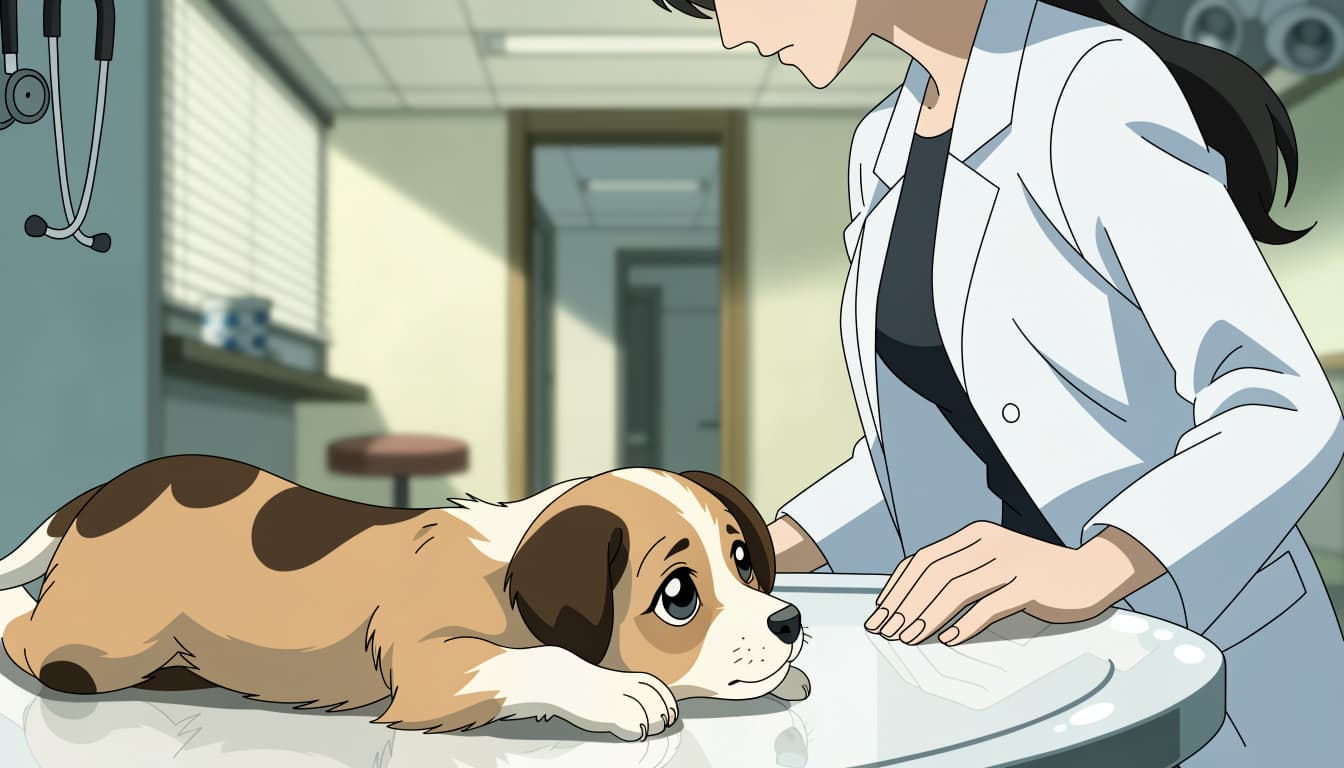
Low blood sugar in very young or tiny puppies
Very young puppies, toy breeds, and puppies who are ill or haven't eaten enough can be at risk of low blood sugar. According to a veterinary review of hypoglycemia in dogs, its signs can involve both weakness and neurological changes.
Watch for unusual sleepiness, weakness, disorientation, tremors, collapse, or seizures. These signs need urgent veterinary help, particularly in a tiny puppy who seems suddenly different from their usual self.
Don't put food, liquid, or syrup in the mouth of a drowsy, unconscious, or seizing puppy. They could choke or inhale it. Call a veterinarian or emergency clinic immediately and follow their instructions.
Pain, illness, or a possible seizure
A puppy may tremble because of pain or illness. Crying, limping, vomiting, diarrhea, unusual breathing, pale gums, or a change in alertness are reasons to seek veterinary advice promptly.
An episode with unresponsiveness, stiffness, repeated uncontrolled jerking, drooling, or confusion afterward raises concern for a possible seizure. Those signs don't give you a diagnosis, either. The American Red Cross guide to dog seizures describes signs you may see during an episode.
If you suspect a seizure, contact a vet immediately, even if the movement stops. Tell them what you saw and how your puppy behaved afterward.
How to Tell Whether You Need a Vet Now
Context matters. A puppy who has a few gentle twitches in their sleep and wakes up alert is in a different situation from one who stays weak, disoriented, or shaky while awake.
When you're unsure, call your vet. You can describe what you're seeing without having to decide what caused it.
Signs that call for prompt veterinary advice
Contact a vet promptly if shaking is new, unexplained, or continues while your puppy is awake. The same applies if you notice pain, weakness, vomiting, diarrhea, unusual breathing, or a behavior change.
Be especially cautious with very young or tiny puppies. If your puppy is unusually sleepy, weak, disoriented, or collapses, call a veterinarian or emergency clinic immediately.
Tell the clinic whether your puppy has eaten, whether the movements happened during sleep or wakefulness, and whether anything else has changed. If your puppy doesn't recover normally, don't wait for a routine appointment.
When shaking or seizure-like movement is an emergency
Seek emergency care for collapse, suspected toxin exposure, multiple seizures close together, or failure to recover normally after an episode. A seizure lasting more than five minutes needs immediate treatment. PetMD's guide to seizures in dogs explains why prolonged or repeated episodes need urgent care.
During an episode, move hazards away from your puppy, including objects they could hit and access to stairs. Don't hold them down or put your fingers or anything else in their mouth.
Time the episode and record a short video only if you can do so safely. Call the emergency clinic while arranging transport, and keep your puppy's surroundings as quiet as possible.
What You Can Do Safely at Home
A comfortable sleep space and a few useful observations can help you care for your puppy. They don't replace veterinary care when shaking is persistent or your puppy seems unwell.
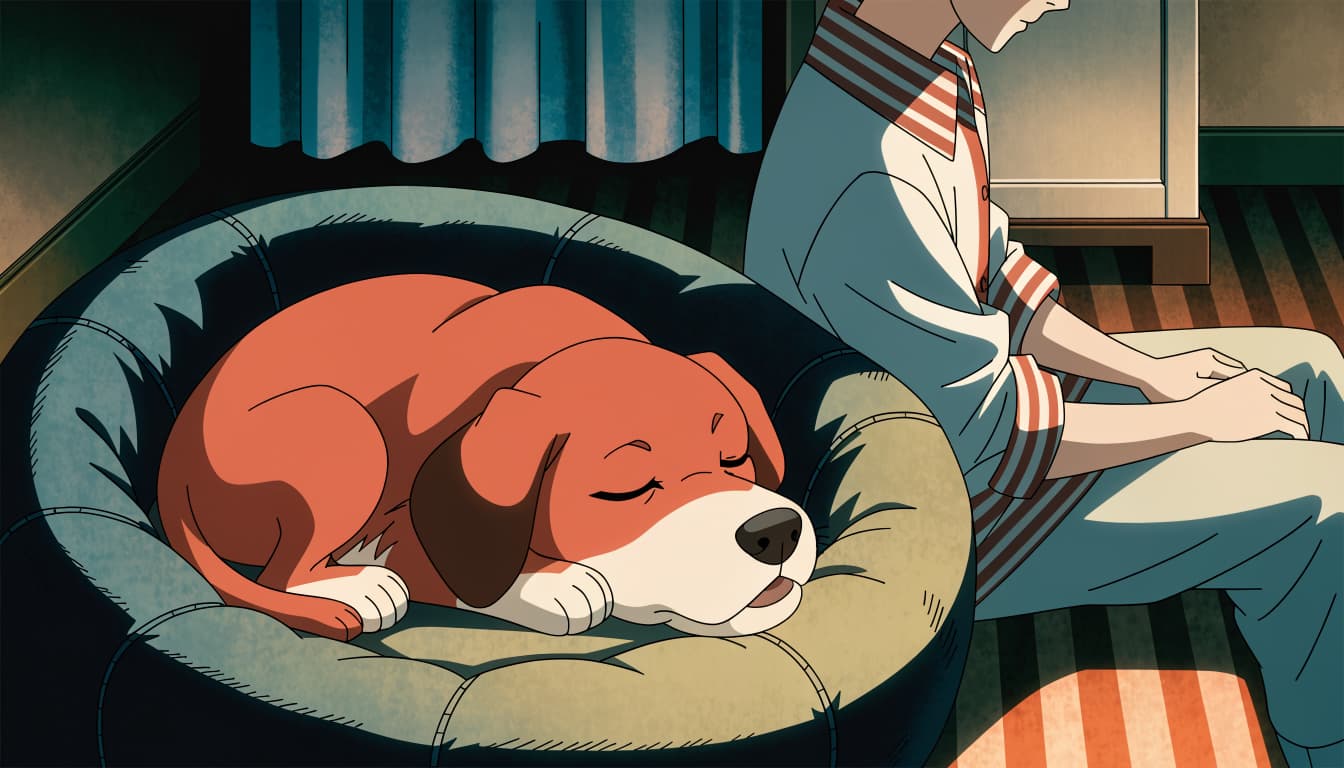
Keep the sleep area comfortable, not overheated
Give your puppy dry bedding in a comfortably warm spot away from drafts. If the bed is damp, swap it for a dry one. Let your puppy rest somewhere quiet, away from rough play and interruptions.
Avoid direct heat from heating pads, hot-water bottles, heat lamps, or hot surfaces. These can burn or overheat a puppy. If overheating might be the issue, don't bundle or warm them; seek veterinary advice.
A calm resting area also gives you a better chance to observe without hovering over every paw movement. Your puppy deserves a place to log off, too.
Track what happens and avoid risky tests
Note when the shaking starts and how long it lasts. Include whether your puppy is asleep or awake, what parts of the body move, and any other signs you notice. A safe video can help your vet see an episode that has already stopped.
Don't shake or startle a sleeping puppy to test responsiveness. If they wake naturally, check whether they respond to you and behave normally. If they're difficult to rouse, remain weak or confused, or continue shaking while awake, contact a vet promptly.
Keep your puppy's usual meals and routine in mind when you call. If you have a Pomeranian Dachshund mix, our guide to adult Pom Doxie care covers routines to plan for as your dog grows.
Streetwear & Casual Styling

Once your puppy's needs are handled, your outfit can do its own thing. Pair Cyber-Brutalist Anime Graphic Tees with straight-leg jeans and sneakers for an easy look that still has personality.
Our Dog Eats Custom Kibble Tee brings dog-parent humor to the fit. The If They Could Use the Internet Tee pairs well with dark jeans and a lightweight jacket.
Great style, zero connection to diagnosing a shiver. Your vet handles that part.
Frequently Asked Questions
Should you wake a puppy who is twitching in their sleep?
Observe your puppy without shaking or startling them awake. If they wake naturally, check whether they respond to you and behave normally. Contact a vet promptly if they're difficult to rouse or seem weak or confused.
Can a puppy shiver from being cold at night?
Yes. A cold room, draft, or damp bedding can make a puppy shiver, particularly if they're small or young. Give them a dry, comfortably warm spot, but remember that cold isn't the only possible cause of shaking.
How long is sleep twitching normal?
There's no precise time limit that tells you whether an episode is harmless. Brief, intermittent movements can occur during sleep, but movement alone can't confirm the cause. Ask your vet about twitching that's unusual, persistent, or paired with other symptoms.
Can low blood sugar make a puppy tremble?
Yes, and very young or tiny puppies can be at risk. Weakness, unusual sleepiness, disorientation, collapse, tremors, or seizures need immediate veterinary advice. Don't put anything in the mouth of a drowsy, unconscious, or seizing puppy.
Give Your Puppy a Calm Check-In
A few gentle sleep twitches can be part of a puppy's nap. The bigger picture matters: notice their breathing, the type of movement, and how they act when they wake naturally.
Persistent shaking or other symptoms deserve a vet's attention. Observe calmly, note any changes, and call a veterinary professional whenever you're concerned.