

Shenandoah Lake Swimming: What You Can Actually Do
TrendReactTees.STORE TeamShenandoah National Park has no swimming lakes or pools, and some nearby lakes prohibit swimming too. The phrase "shenandoah lake swimming" may point to a park stream, a nearby stretch of the Shenandoah River, or a managed beach outside the park. Those are different places, with different rules.
Plan around the water access you've actually chosen, not a lake-shaped pin on a map. For after the swim, pack a dry shirt such as our Nature Is My Wifi tee or Nature Is My Therapist tee. Graphic tees belong in your dry bag, not in the water.
This post may contain affiliate links. If you make a purchase through these links, I may earn a small commission at no extra cost to you.
Key Takeaways
- Shenandoah National Park has no swimming lakes or pools, but swimming is allowed in park streams.
- Lake Arrowhead in Luray and Lake Shenandoah prohibit swimming.
- Shenandoah River State Park offers river access, but it has no designated swimming area.
- Cold water, currents, slippery rocks, weather, and posted rules all matter before you get in.
- Park entrance fees are separate from swimming access or beach admission.
What Shenandoah Lake Swimming Really Means
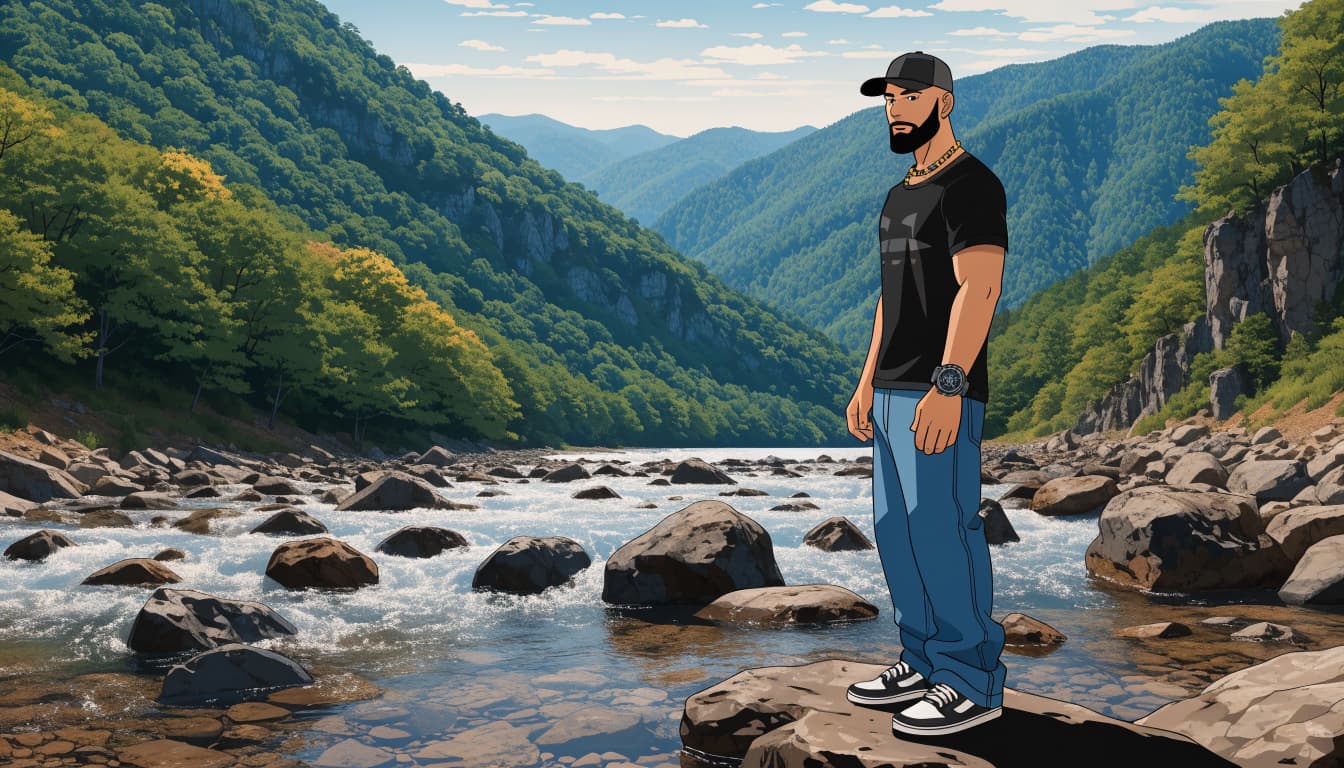
If you're looking for Shenandoah lake swimming inside the national park, the short answer is that there are no park lakes or pools for swimming. The National Park Service does allow swimming in park streams. Most are shallow and rocky, and the deeper places often take a hike to reach. You'll want to treat that as a natural-water outing, not a quick dip beside a lake beach.
Park streams are not lake beaches
A stream can be a legal place to swim and still be a poor fit for your plans. The terrain may be uneven, the water cold, and the approach longer than expected. Read the National Park Service swimming FAQ before choosing a stream, then factor in the hike and conditions.
"Nearby" can mean a different kind of access
People may also use the phrase for a Shenandoah Valley river spot or a recreation area outside the park. Neither automatically means there's a lake beach, lifeguard, or designated swim zone. Confirm the exact site's rules and know whether you're heading for a stream, river access, or an approved beach.
Know Which Nearby Lakes Allow Swimming
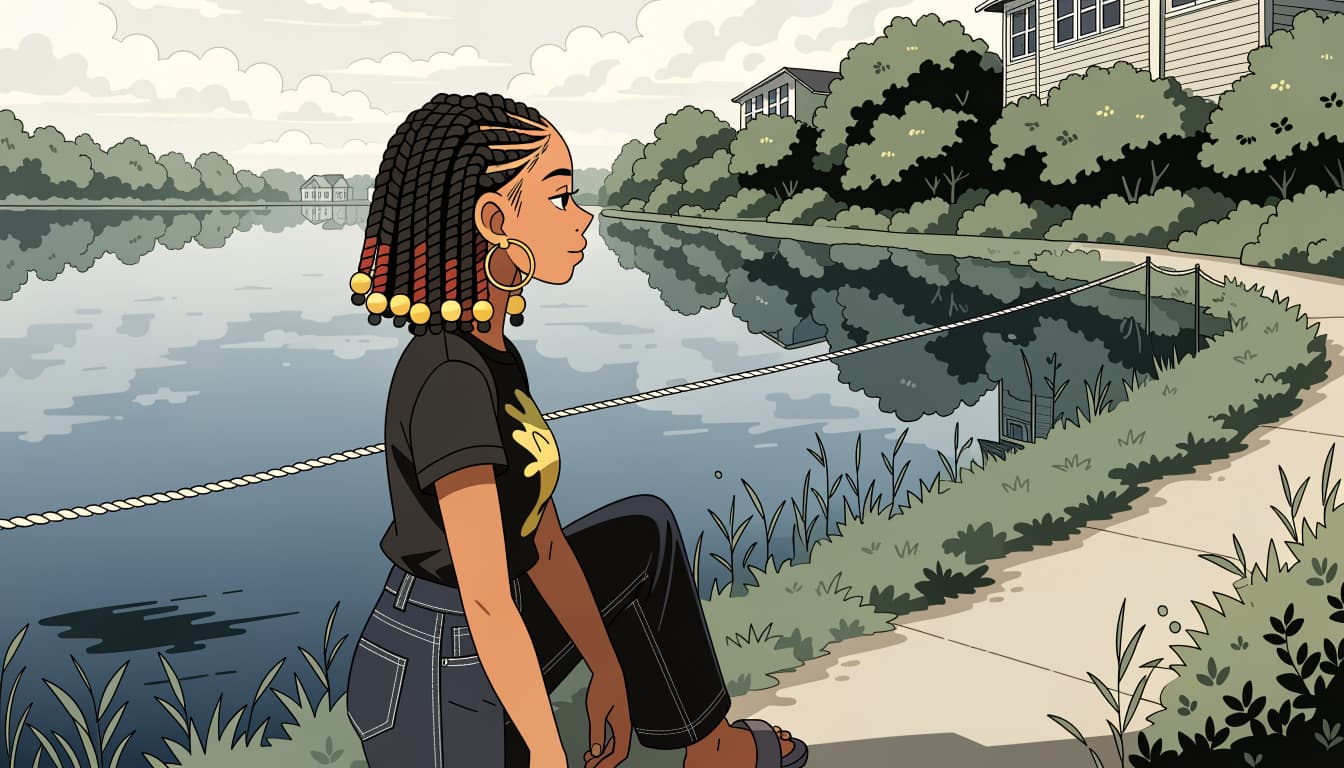
Two named lakes can sound promising in a search, but neither is a swimming destination. Lake Arrowhead in Luray has no beach, and the Town of Luray prohibits swimming there. The park being open for other activities doesn't change that rule.
Lake Shenandoah has a separate restriction
The Virginia Department of Wildlife Resources prohibits both swimming and wading at Lake Shenandoah. The site has fishing and boat access, but those uses don't grant permission to enter the water. Check the DWR Lake Shenandoah access rules before planning around the lake.
Access hours don't mean swim hours
Lake Arrowhead park hours describe when visitors can use the park for permitted activities. They don't create a swimming season or admission window for a beach. Likewise, a fishing pier, boat ramp, picnic area, or open gate isn't a secret swimming pass. If swimming isn't explicitly permitted, don't get in.
Choose Between Cold Park Streams and Shenandoah River Access
The realistic natural-water choices are park streams and river access outside the park. Streams tend to be rocky, shallow, and very cold, even when the day feels hot. Deeper spots may require hiking, so account for the trail, the return trip, and what your group can manage comfortably.

Park streams mean cold water and uneven footing
A stream's clear surface can hide slick stones and changing depth. Don't assume a shallow-looking stretch is safe to wade, especially if rain has changed the flow. Shenandoah's mountain water can feel startlingly cold in summer, so get out if you're shivering, numb, or losing coordination.
River access is not a managed beach
Shenandoah River State Park provides access to the South Fork of the Shenandoah River. The park has no designated swimming areas, though wading and floating are permitted according to its trail guide. That's different from a lifeguarded beach with a marked swim zone. Read the state park's visitor information and follow posted rules at your chosen access point.
Stay Safe in Natural Water
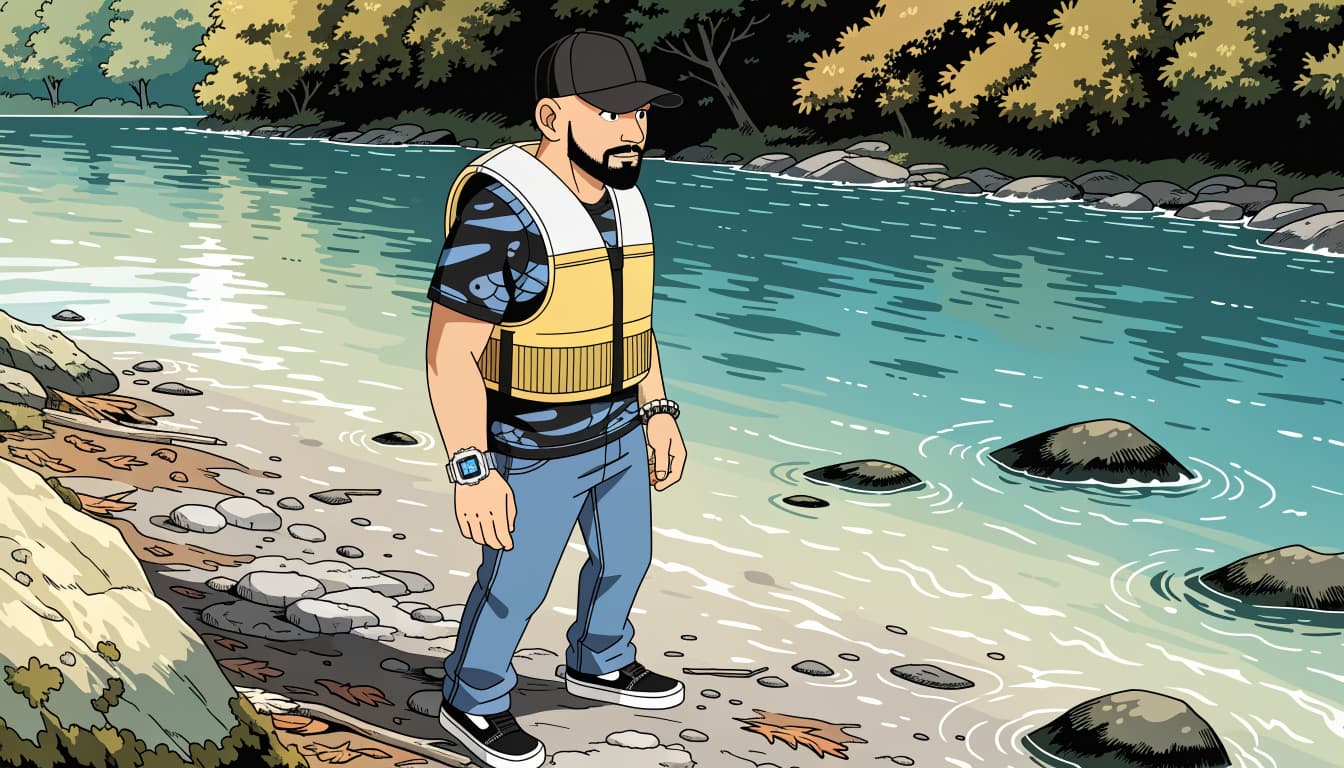
Natural water doesn't come with a predictable bottom, visible current, or a helpful "deep end" marker. Check posted rules and current conditions before you enter. The National Park Service safety guidance warns that stream water can be extremely cold, and the rocks around waterfalls are slippery.
Watch the current, rocks, and cold
Currents can be hard to see and may carry swimmers away from a safe exit. Choose secure water shoes or heel-strapped sandals that stay attached, and move carefully on wet rocks. Never climb on or around waterfalls. A hot afternoon doesn't make cold mountain water harmless; sudden chilling can affect your strength and judgment.
Match supervision and flotation to your group
Keep children and inexperienced swimmers within close reach and constant supervision. Where appropriate, wear a properly fitted U.S. Coast Guard-approved life jacket. Follow local requirements and any operator's instructions, and don't treat an inflatable tube as safety equipment.
A visitor video below shows a swimming hole near South River Falls. Treat it as footage of one visit, not a route guide or proof that conditions are safe. The waterfall rocks remain slippery, so stay off them.
Plan Your Swim Around Weather, Gear, and Fees
Before leaving, check the hourly forecast, wind, water conditions, and access rules for the exact site. A storm or heavy rain can change a stream or river, while cold water can make a sunny day misleading. If your route involves a hike, bring enough drinking water for the trail. NPS warns that water from park streams and springs isn't safe to drink.

For the water, choose swimwear with quick-dry shorts or a rash guard. Bring a hat, strapped sunglasses, sunscreen, and footwear that won't float away when you step in. Pack a dry bag with a full change of clothes, including underwear and socks, plus a warm layer you can reach easily. Wet cotton can stay cold long after you leave the water.
Shenandoah National Park charges an entrance fee for park access. That charge isn't swimming access or beach admission, and there's no park swimming beach to admit you to. Check the NPS entrance-fee information when budgeting, and keep any separate facility fees distinct from the park pass.
Streetwear & Casual Styling
Once you're dry, build your look around one bold graphic and comfortable layers. Our paddleboarding outfit ideas also cover clothing for a day on the water, including a simple rule that applies here: change before the cotton tee joins the aquatic side quest.
Pair a dry Cyber-Brutalist Anime Graphic Tee with relaxed cargos or dark denim, then add a light overshirt if the air cools off. The Leave No Trace tee and Nature Is My Only Group Chat tee make easy post-swim options. Keep the wet gear in its own bag, because soggy socks already have enough screen time.
Frequently Asked Questions
Is water from Shenandoah's streams safe to drink?
No. The National Park Service says water from park streams and springs isn't safe to drink. Bring your own drinking water for the hike and swim outing.
Does Shenandoah River State Park have a designated swimming area?
No. The park provides river access, but there are no designated swimming areas. Its trail guide allows wading and floating, so follow posted rules and current conditions at the access point.
Should you wear water shoes in a rocky stream?
Secure water shoes or heel-strapped sandals can help protect your feet and stay attached when you're moving through shallow water. They don't make slippery rocks safe, so keep your footing cautious and avoid steep or fast-moving areas.
Does a Shenandoah National Park entrance pass include beach admission?
No. The entrance pass covers park entry, not admission to a swimming beach. Shenandoah National Park has no swimming lakes or pools, and any separate facility access rules or fees are distinct.
Make the Water Rule Your First Check
Shenandoah offers stream swimming and river access, but that doesn't make every nearby lake a swim spot. Lake Arrowhead and Lake Shenandoah prohibit swimming, while Shenandoah River State Park has river access without a designated swimming area.
Choose a place where swimming is explicitly allowed, then check the day's conditions and posted rules. If the water is too cold or the current or weather doesn't suit your group, postpone the swim and enjoy the view from shore.