

Swimming in the Ocean at Night: What to Know
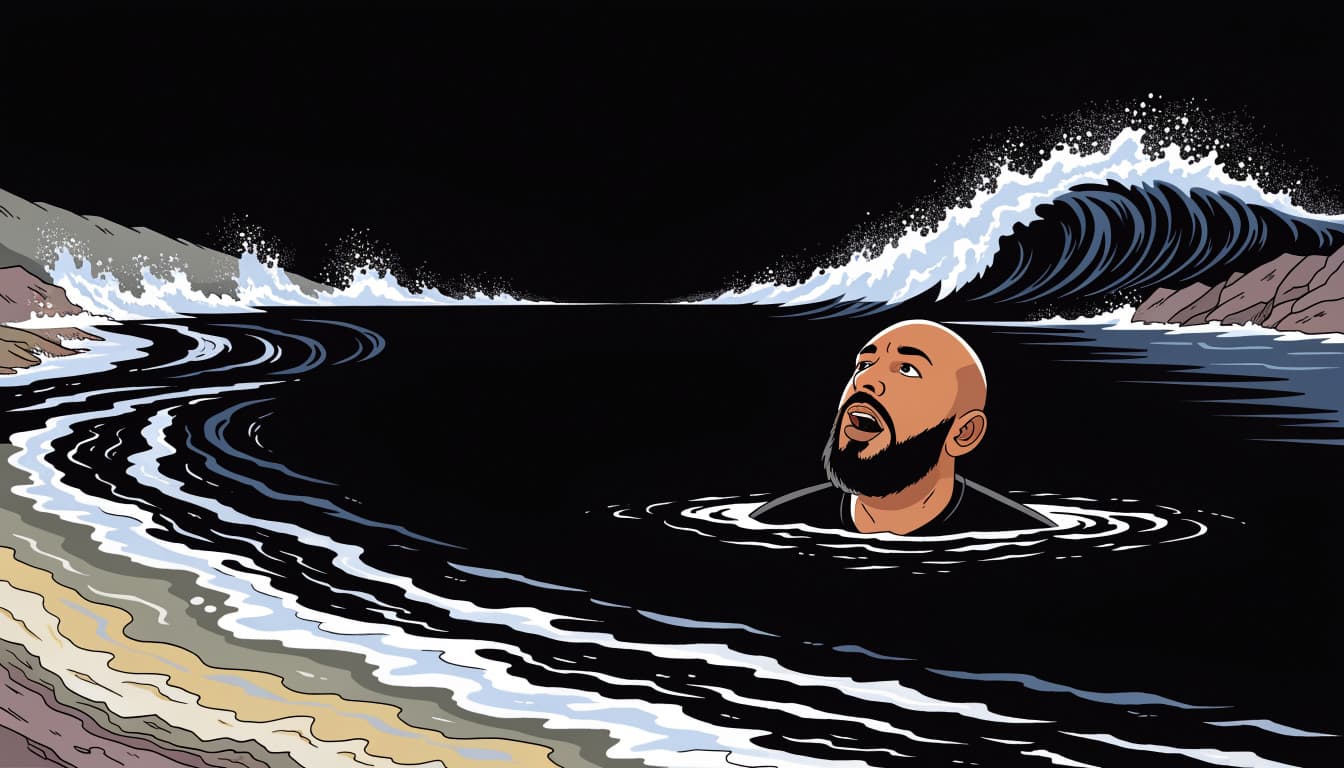
TrendReactTees.STORE TeamSwimming in the ocean at night is harder to do safely because darkness hides hazards and makes it harder for others to spot you. The Cat Needs Alone Time Sit In Dark Tee and Free Love Cyberpunk Tee are for after you leave the water, dry off, and change, not for swimming.
Don't enter unless the beach is open, local rules allow it, conditions are safe, and lifeguards are actively on duty. If any part of that check fails, make it a shoreline night instead.
This post may contain affiliate links. If you make a purchase through these links, I may earn a small commission at no extra cost to you.
Key Takeaways
- Night swimming is riskier because darkness makes it harder to see hazards and find a swimmer in trouble.
- Enter only at a permitted beach with safe conditions and an active lifeguard.
- Check forecasts, advisories, flags, and beach rules before leaving and when you arrive.
- Don't swim alone or rely on lights, flotation, or a buddy to replace lifeguard supervision.
- If caught in a rip current, float, signal for help, and avoid swimming straight against it.
Is Swimming in the Ocean at Night Ever Safe?
Night swimming is riskier, but it isn't automatically illegal everywhere. Beach hours, closures, and swimming rules vary by location, so the answer depends on the specific beach. Follow its managing authority's current signs and instructions. A beach that has lifeguards during the day may be unstaffed after dark.
For a safer swim, you need an open beach, permission to enter, conditions suited to swimming, and an active lifeguard. You also need to be a confident swimmer and have a companion. A buddy can notice trouble and call for help, but they can't replace professional supervision. NOAA advises swimmers to stay near lifeguards and never swim alone in its ocean rip-current safety guidance.
If you're unsure of your swimming ability, the water is rough, or nobody is on lifeguard duty, don't enter. Those are enough reasons to choose another plan. A lit boardwalk or a view of the surf from shore still delivers the ocean-at-night experience, without asking you to judge dark water by vibes alone.

Check the Beach, Weather, and Water Before You Go
Make the go-or-no-go decision twice: before leaving and again when you arrive. Check the local National Weather Service forecast, surf and beach advisories, the beach authority's hours, and any closures or posted instructions. On arrival, read the flags and signs. If they warn against swimming, stay out.
Rip currents can form anywhere breaking waves occur. At night, darkness makes common visual clues, such as gaps in breaking waves or foam moving offshore, much harder to spot. A low-risk label still doesn't mean no risk. NOAA advises keeping at least 100 feet from piers and jetties, where persistent rip currents can occur.
A phone flashlight and moonlight can help you move around on the sand, but they can't show you what's under the water or make a current easy to identify. Don't treat a glowing moon, a bright accessory, or a low-risk rating as proof that a swim is safe. If the surf, visibility, or posted guidance leaves you unsure, don't enter.

Make Sure Someone Can See and Help You
An active lifeguard matters because darkness makes both supervision and rescue harder. Even a capable companion may not be able to see you clearly, reach you safely, or recognize a rip current in time. Tell someone staying on shore where you'll be and when you expect to return. Stay within the permitted area and in clear view.
Flotation appropriate to your activity can add support, but it doesn't make an unguarded beach safe. If there's no lifeguard on duty, the safer choice is not to enter.
Know the Limits of Nighttime Rip-Current Warnings
In daylight, a gap in breaking waves, choppy water, a color change, or foam and debris moving offshore may help reveal a rip current. At night, those clues can disappear into the dark. You shouldn't count on spotting a current before it becomes a problem.
NOAA says rip currents account for more than 80% of rescues performed by surf-beach lifeguards. That figure describes a share of lifeguard rescues, not all beach emergencies. It's a useful reminder that currents deserve serious attention, even when the ocean looks calm.
How to Prepare if You're Swimming After Dark
Choose a beach where swimming is permitted and a lifeguard is actively on duty. Go with a buddy, leave unfamiliar beaches off the plan, and skip alcohol or drugs. They can make it harder to judge conditions and react quickly. Leave valuables and loose accessories behind. Keep a phone accessible on shore so someone can call for help.
Bright clothing or a light may make you easier for someone on shore to see. Neither reveals submerged hazards, makes rip currents visible, nor replaces a lifeguard. Use flotation suited to the activity and local requirements, but don't mistake it for supervision.
Check conditions again when you arrive, and get out if the surf, weather, visibility, or beach instructions change. NOAA reports that rip currents account for more than 80% of rescues by surf-beach lifeguards, a reason to take beach safety seriously even when a swim looks inviting. For a short refresher, watch the National Weather Service's rip-current safety video below.

What to Do if You Get Caught in a Rip Current
A rip current can pull you away from shore. Fighting it directly can tire you out, so focus on staying afloat and getting help.
- Stay calm and float or tread water. Conserve your energy instead of trying to swim straight against the current.
- Call or signal for help. Yell and wave so a lifeguard or someone on shore can spot you.
- If you can, swim parallel to shore or toward breaking waves. Once you're out of the current, angle back toward shore.
- If you're on land, alert a lifeguard or call 911. Throw flotation if it's available, but don't enter the water to attempt a rescue unless you're trained and properly equipped.
NOAA's rip-current safety overview also stresses floating or calmly treading water when you can't swim out. A rescue attempt can put another person in danger, so get help and send flotation rather than becoming a second swimmer in trouble.
Treat Glowing Water as a Sight, Not a Safety Signal
Glowing water may be bioluminescence, but the glow doesn't tell you whether the surf, water quality, or beach conditions are safe. Follow local beach and public-health advisories. If conditions or warnings are unclear, enjoy the glow from shore.
Streetwear & Casual Styling
Graphic tees and everyday streetwear belong after you've left the water, dried off, and changed. Pack a complete dry outfit, including dry bottoms, and keep it separate from wet gear. A bold tee can take the lead in a casual post-swim outfit, with comfortable pants and shoes keeping the rest easy.
The My Cabin Is 404 Tee and TBR Hostile AI Tee are examples of Cyber-Brutalist Anime Graphic Tees for dry-land style. They're clothing, not swim gear. For more ideas, see what to wear paddleboarding and afterward.

Frequently Asked Questions
Is it illegal to swim in the ocean at night?
Rules vary by beach and location. Follow the managing authority's current hours, posted signs, closures, and instructions. Don't assume that a beach open during the day allows swimming after dark.
Can you swim at night to see bioluminescence?
A glow in the water doesn't establish that swimming conditions are safe. Check local beach and public-health advisories, and view the glow from shore when safety information is unclear.
Can you spot a rip current in the dark?
Common visual clues, such as gaps in waves and foam moving offshore, are much harder to see at night. Don't rely on spotting a current before entering the water.
What should you do if someone is in trouble in the water?
Alert a lifeguard or call 911, then throw flotation if it's available. Don't enter the water for a rescue unless you're trained and properly equipped.
Choose the Shore if the Safety Check Fails
The ocean is difficult to judge after dark. An open beach, local permission, safe conditions, and an active lifeguard are essential before you consider swimming in the ocean at night.
If any part of that safety check fails, choose a daytime swim or enjoy the shoreline instead. The waves will still be there, and you'll be able to see them.