

Why Do T-Shirts Pill and How Can You Prevent It?
TrendReactTees.STORE TeamT-shirt pilling happens when loose fibers rub together and form little balls on the fabric. You can reduce it by limiting friction during wear and washing, then removing existing pills with a suitable fabric tool.
The same care applies whether your favorite is our Reading Total System Crash Tee or the Cat Has Better Credit Score Tee. Your graphic deserves better than a surprise fuzz filter.
Here's what causes those tiny fabric villains and how to keep them under control.
This post may contain affiliate links. If you make a purchase through these links, I may earn a small commission at no extra cost to you.
Key Takeaways
- Pilling starts when loose fibers tangle under repeated rubbing.
- Fabric construction and fiber type affect how easily pills form and how long they stay attached.
- Inside-out washing, a delicate cycle, and air-drying reduce unnecessary friction.
- A fabric shaver can help with sturdy tees, but razors and scissors can leave holes.
- You can manage pilling over time, though no routine can guarantee a pill-free shirt.
What Causes T-Shirt Pilling?
A pill is a small ball of tangled fibers attached to your shirt's surface, a result of fabric pilling. You might call it a bobble, fuzzball, or lint ball. Whatever the name, your tee didn't download an unwanted texture pack.
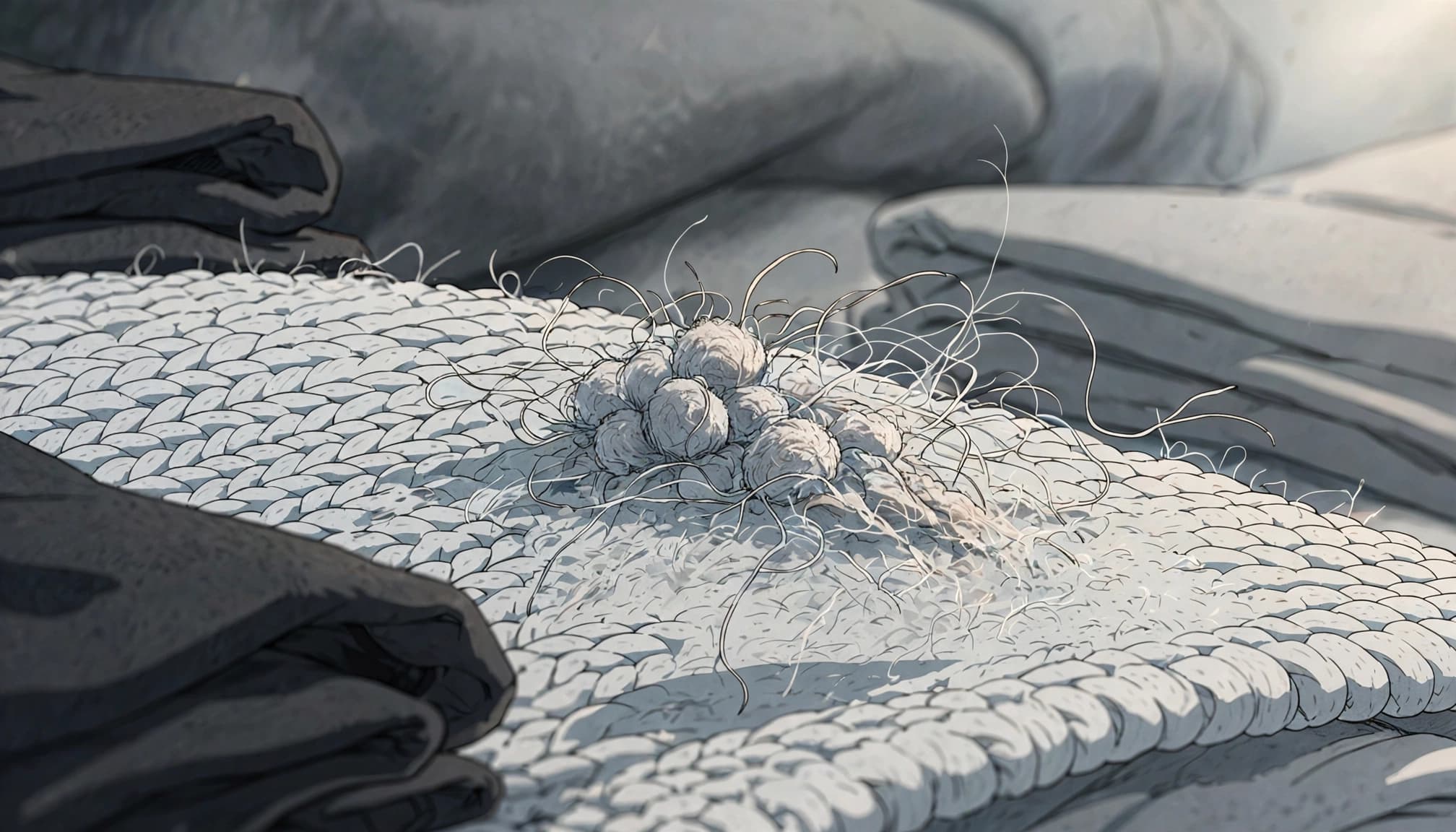
They form where fabric rubs against itself or another surface. Think underarms, side seams, backpack straps, and the spot where your shirt meets your desk.
The Four Stages of Pilling
Textile researchers describe four stages: fuzz formation, entanglement, growth, and wear-off. First, fiber ends work loose and create fuzz. Rubbing twists those fibers together, and the little bundles grow.
Eventually, some detach. Others hang on because they're anchored by fibers still attached to the fabric. A study of textile pilling describes that final loss under continued rubbing, laundering, or drying.
Why Some Fibers Stay Attached
Longer fibers generally have fewer exposed ends that can work loose, so they tend to pill less than shorter fibers. Yarn construction and fabric density matter too.
Polyester, nylon, and acrylic fibers are strong, which can keep pills attached. Wool pills can diminish as their less-tenacious fibers break away. Your cotton-poly tee may therefore collect stubborn little fuzzballs even when the cotton itself feels smooth.
Which T-Shirt Fabrics Pill Less?
No fabric has permanent immunity. Your best bet is a smooth, well-constructed fabric made with longer fibers and yarns that hold those fibers in place.
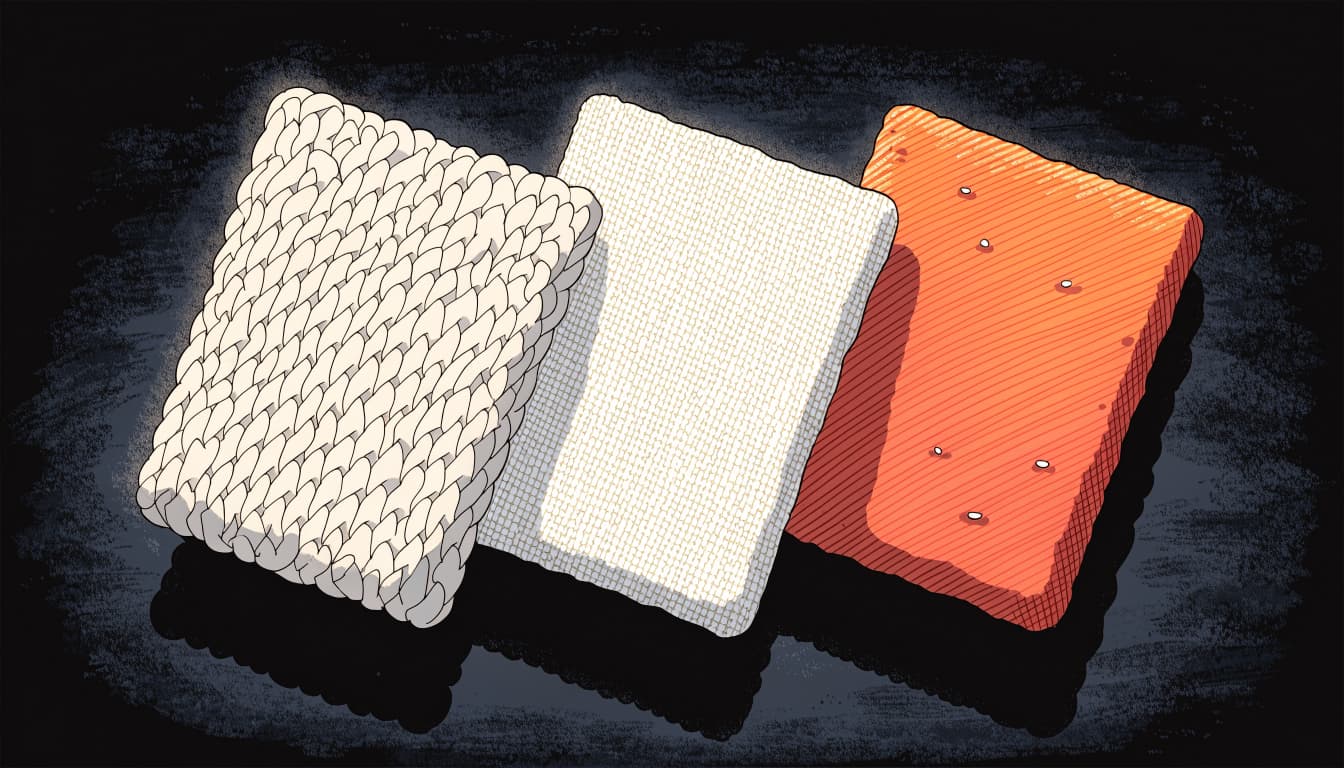
Cotton, Polyester, and Blends
Long-staple cotton, including Pima cotton, can reduce loose fiber ends. Combed cotton goes through a process that removes shorter fibers. Cotton Incorporated's guide to spun yarns explains how greater fiber length improves yarn cohesion.
A polyester tee can hold onto pills because synthetic fibers resist breaking. A cotton-polyester blend combines both fibers, so its behavior also depends on the yarn and knit.
Ring-spun describes a spinning method, not a promise that a shirt will never pill. Open-end yarn uses a different spinning process. Neither term alone tells you how a finished tee will perform.
Knit Structure and Fabric Weight
Most tees are knitted fabrics, often jersey, with interlocking loops. They tend to pill more readily than woven cloth because their yarns are less tightly constrained; knit density matters more than weave tightness.
A dense, smooth knit can help keep fibers in place. A heavier tee may feel more structured, but weight alone doesn't guarantee better pilling resistance. Check the surface and construction, not the thickness alone.
Does Pilling Mean Your Shirt Is Poor Quality?
A few bobbles don't automatically mean your tee failed its quality test. Friction happens during ordinary wear, even on fabrics that feel soft and well made.
Fine cashmere can develop some initial pilling too. That's different from a shirt that develops widespread, persistent fuzz after relatively gentle use. The latter can point to a construction or blend that doesn't handle abrasion well.
Look at where the pills appear. A cluster under a crossbody strap tells you that spot is taking repeated friction. Pills covering the entire shirt give you a broader clue about the fabric itself.
You can also spot loose lint sitting on the surface. It may lift away with a lint roller. A true pill remains attached to the cloth, so pulling it can tug on the fibers underneath.
How to Wash T-Shirts to Prevent Pilling
Your laundry routine can't change the fabric, but it can reduce the rubbing that brings loose fibers to the surface.
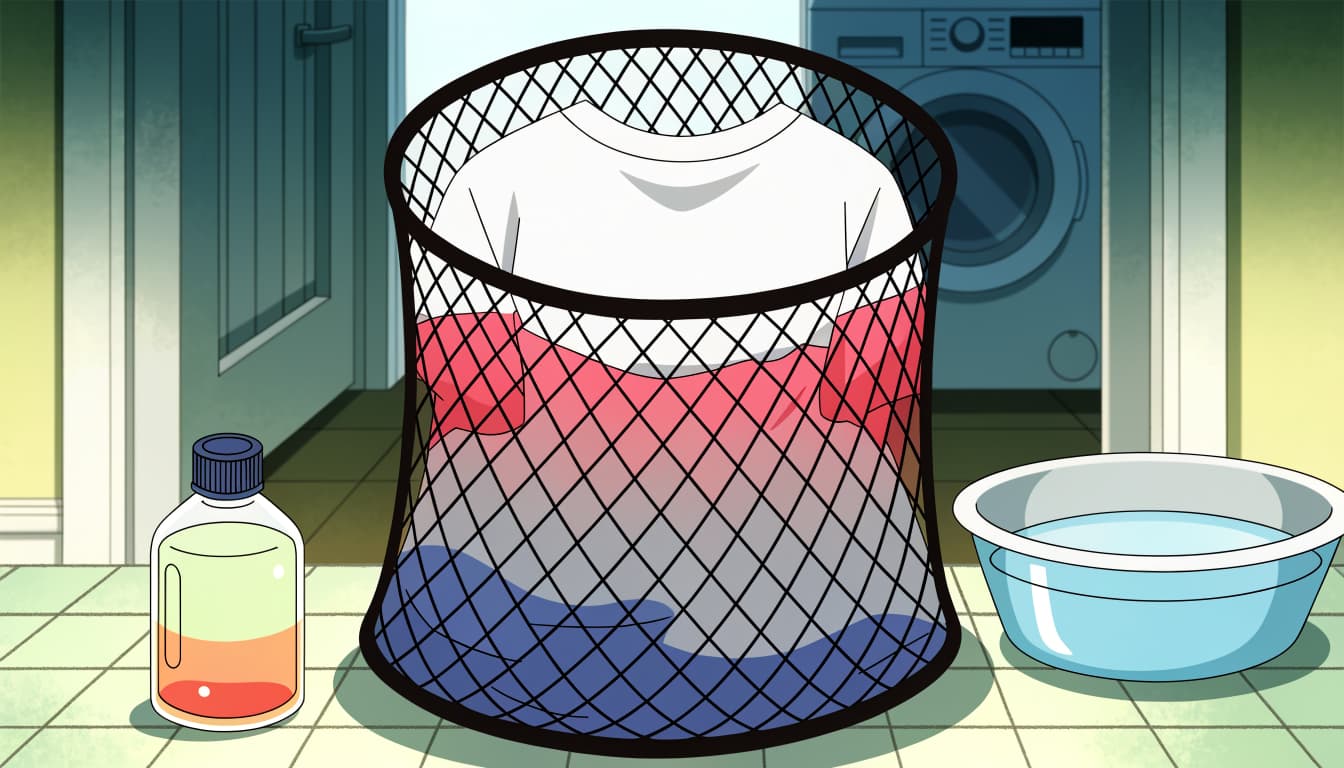
Turn Tees Inside Out and Sort the Load
Turning a shirt inside out shields its visible side from contact with other clothes and the drum. It also protects the graphic. Good Housekeeping's inside-out washing advice notes that the habit helps reduce visible wear without eliminating pilling.
Wash tees with similarly soft items. Keep denim, towels, exposed zippers, and rough hardware out of the load when you can. A mesh laundry bag adds a barrier for a favorite tee, though it won't make rough laundry disappear.
Choose a Gentle Cycle and Mild Detergent
If you use a front loader, choose its delicate cycle. The machine type alone won't prevent pilling. Use cold water and a mild liquid detergent, unless the care label directs otherwise. Excess powder can leave residue, and more detergent won't win you extra cleanliness points if it doesn't rinse out.
Skip fabric softener on pill-prone shirts. Its coating can leave buildup, and there's no need to add another product to a routine designed around gentle cleaning.
For more print-specific care, follow our guide to washing printed shirts. Your artwork and the jersey underneath both benefit from less friction.
This video offers a visual look at how pilling starts and how to reduce it.
Dry and Wear Your Tees With Less Friction
Air-dry your tee to avoid repeated tumbling and rubbing in a tumble dryer. This also limits heat exposure that can stress fibers and printed graphics.
Lay a heavier tee flat to dry so its wet weight doesn't pull it out of shape. A lighter shirt can hang in a shaded area if its care label allows it. Once dry, fold knits for storage rather than leaving them on hangers for long periods.
During wear, notice the repeat-contact zones. A rough bag strap, seat belt, or jacket lining can rub the same area for hours. Adjusting a strap or changing the layer underneath can reduce that contact.
You don't need to treat your shirt like a museum artifact. Wear it, enjoy the design, and give it a break from unnecessary abrasion. If it isn't dirty after a short wear, airing it out may be enough before the next one.
How to Remove Pills Safely
You can remove existing bobbles, but every removal takes a little material with it. Go gently, and stop if the fabric starts looking thin or stretched.
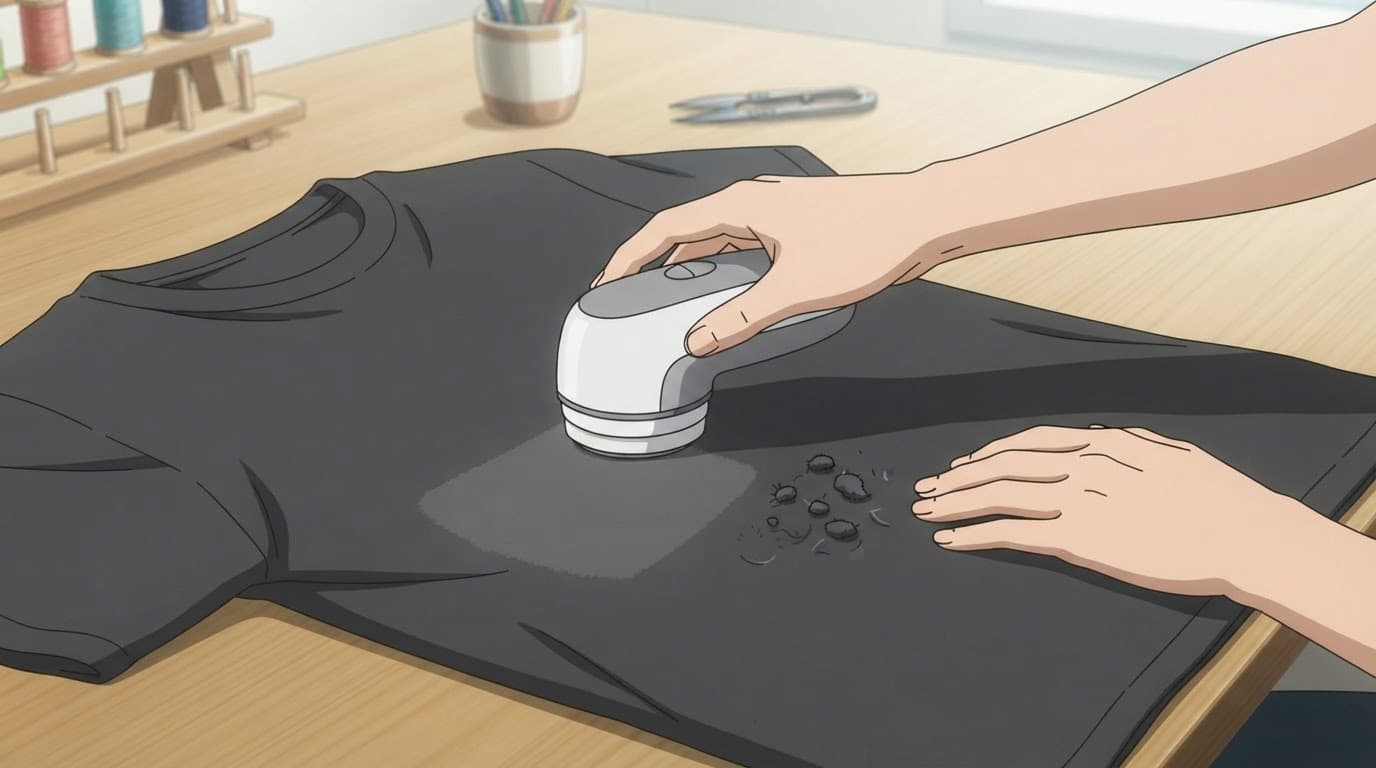
Use a Fabric Shaver on Sturdy Tees
An electric fabric shaver is useful for a sturdy, tightly knit tee. Lay the shirt flat, smooth the area without stretching it, and test an inconspicuous spot first. Move the shaver lightly over the pills.
Keep the device away from seams, raised details, thin spots, and the printed graphic. Don't press down or keep passing over the same patch. Your goal is a smoother shirt, not an accidental window.
Choose a Gentle Tool for Delicate Knits
For cashmere, merino wool, or angora, a sweater comb or a sweater stone designed for delicate fabric gives you more control. For safe pill removal, test a hidden area first and use a light touch. Stones and combs can still snag or pull fibers if used aggressively.
Don't use disposable razors or scissors. One slip can cut a thread and turn a cosmetic issue into a hole. If you don't have a suitable tool, leave attached pills alone until you do. A lint roller can collect loose fuzz, but it won't remove anchored pills reliably.
What to Look for When Buying a Tee
Run your hand over the fabric and look closely at the surface. An even, relatively smooth knit with secure seams is a useful starting point. Gently stretch a small area to see whether the knit looks consistent, then let it return to shape.
Fiber labels help, but they don't tell the whole story. Longer fibers, yarn twist, finishing, and the way a fabric is knitted all affect the result.
Manufacturers can also reduce loose fibers through singeing, higher-twist yarns, and polymeric coatings. Some chemical soil-release treatments may help postpone pilling. None turns a shirt into armor.
The textile industry can assess pilling severity by pill number, mean area, total area, contrast, and density. These measures provide a more useful picture than judging a shirt by a single stray bobble.
Streetwear & Casual Styling
A smooth tee lets your graphic do the talking. Pair our Pizza Is My Only Reality Tee with dark relaxed jeans and clean sneakers for a casual fit that understands your priorities.

For a work-from-anywhere mood, wear the Deep Work by Dissociating Tee under an open overshirt with straight-leg pants. Keep the layer open so the artwork stays visible, and position a crossbody strap away from the print when possible.
Our Cyber-Brutalist Anime Graphic Tees are meant for repeat wear. A little fabric care keeps the joke sharp while your laundry routine stays refreshingly low drama.
Frequently Asked Questions
Does Turning a Shirt Inside Out Stop Pilling?
It helps protect the outside from some wash friction, but it won't stop every pill. Wear, fiber type, and fabric construction still matter.
Can You Permanently Stop Pilling?
You can reduce and manage it, but ordinary rubbing can bring new fibers to the surface over time. Gentle washing and careful removal are maintenance, not a permanent patch.
Are Fabric Shavers Better Than Sweater Combs?
A shaver is convenient for sturdy, tightly knit tees. A comb made for delicate knitwear gives you more control on cashmere or merino. Test either tool first.
Why Do Sheets Get Lint Balls?
Sheets rub against bodies, blankets, and other laundry. That friction can loosen and tangle surface fibers, especially in areas that get frequent contact.
Keep the Graphic, Lose the Fuzz
T-shirt pilling is a friction problem you can manage. Inside-out washing, soft laundry partners, and air-drying give your favorite tee a better shot at staying smooth.
When pills do appear, remove them gently with the right tool. Your shirt has enough personality without a permanent fuzz overlay.