

What Crystal Helps With Anxiety and Depression?
No crystal has been shown to treat anxiety or depression, even if your feed makes amethyst look like downloadable peace. You can still find a stone meaningful as a comfort object or a reminder to pause, without buying the healing claims.
If you're asking what crystal helps with anxiety and depression, you deserve an answer that respects your curiosity and your health. A pretty rock can be part of your personal routine, but it shouldn't replace therapy, medication, or a conversation with a qualified health professional.
Start by separating the personal meaning you give a stone from the medical benefits sellers sometimes promise, then choose what feels useful without expecting it to do a clinician's job.
Key Takeaways
- Amethyst, lepidolite, rose quartz, and smoky quartz have popular spiritual associations, but none is a proven mental health treatment.
- A 2025 controlled study found no anxiety benefit unique to rose quartz beyond belief-related responses.
- You can use a stone as an optional reminder to pause, breathe comfortably, or notice your surroundings.
- Persistent or disruptive symptoms deserve professional support, including therapy or medication when appropriate.
- In the US, call or text 988 for crisis support; call 911 for life-threatening emergencies.
What crystal helps with anxiety and depression, according to crystal traditions?
Crystal traditions commonly recommend amethyst or lepidolite for calm, rose quartz for emotional comfort, and smoky quartz for grounding. Those are spiritual associations, not medical recommendations. There's no evidence-based ranking of crystals for anxiety or depression, regardless of how confidently a product description announces its healing stats.
Amethyst and lepidolite are often linked with calm
Amethyst's purple color makes it a familiar choice in crystal-healing spaces. You'll often see it associated with relaxation, peacefulness, or a quieter mind. These descriptions reflect beliefs within those traditions, rather than demonstrated effects on anxiety symptoms.
Lepidolite, usually pinkish or lilac, is also commonly associated with emotional balance and stress relief. You might find those associations meaningful, but they don't establish that holding the stone changes your mental health.
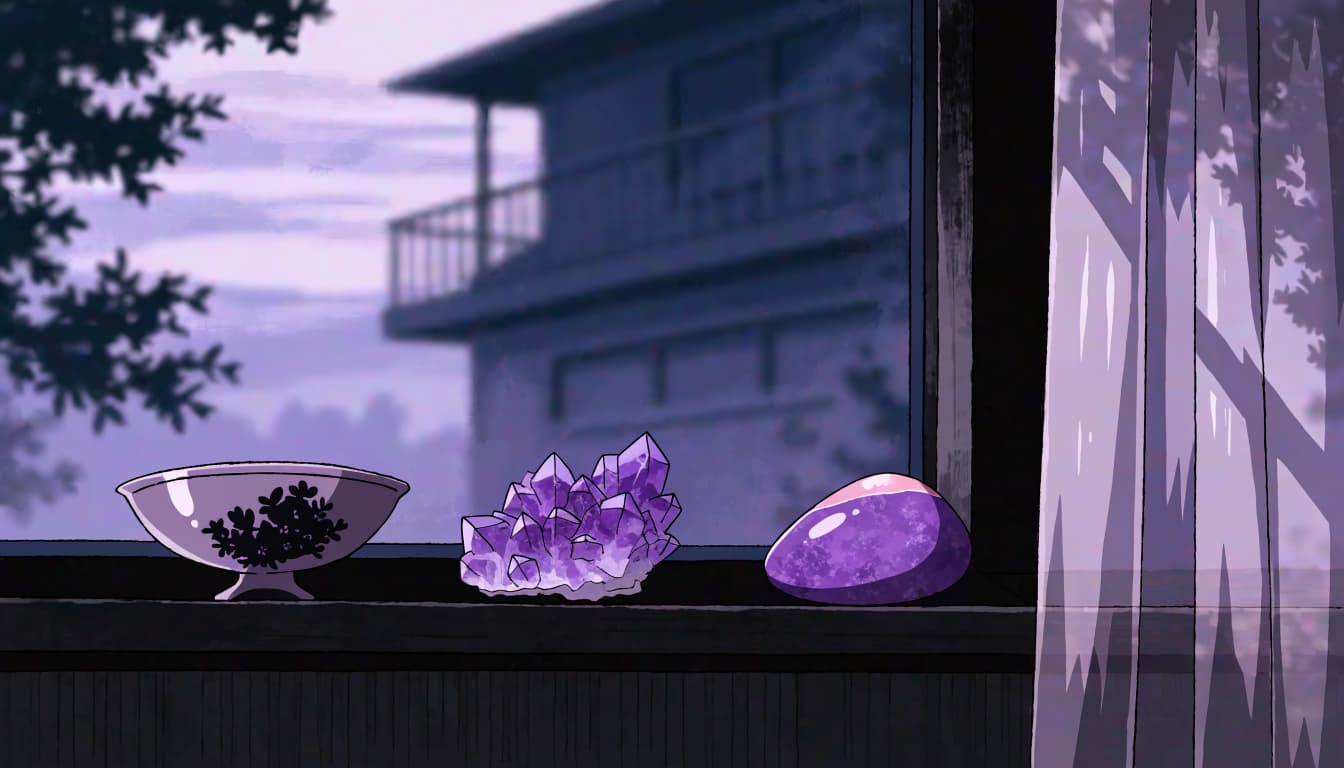
Choose either stone because you like its appearance, texture, or personal symbolism. You don't need an elaborate explanation involving invisible frequencies. "Purple is my favorite color" is sufficient.
A stone given by someone you trust may also carry emotional meaning. That connection belongs to your experience with the object; it isn't proof of a mineral-specific healing effect.
Rose quartz and smoky quartz can serve as personal reminders
Rose quartz is commonly associated with love, care, and emotional comfort. You could choose it as a reminder to speak to yourself with less hostility. Your inner narrator doesn't need permanent access to the roast microphone.
Smoky quartz has popular associations with grounding and steadiness. Its darker appearance may appeal to you, or you may prefer its weight and texture. Neither preference makes it a treatment for depression.
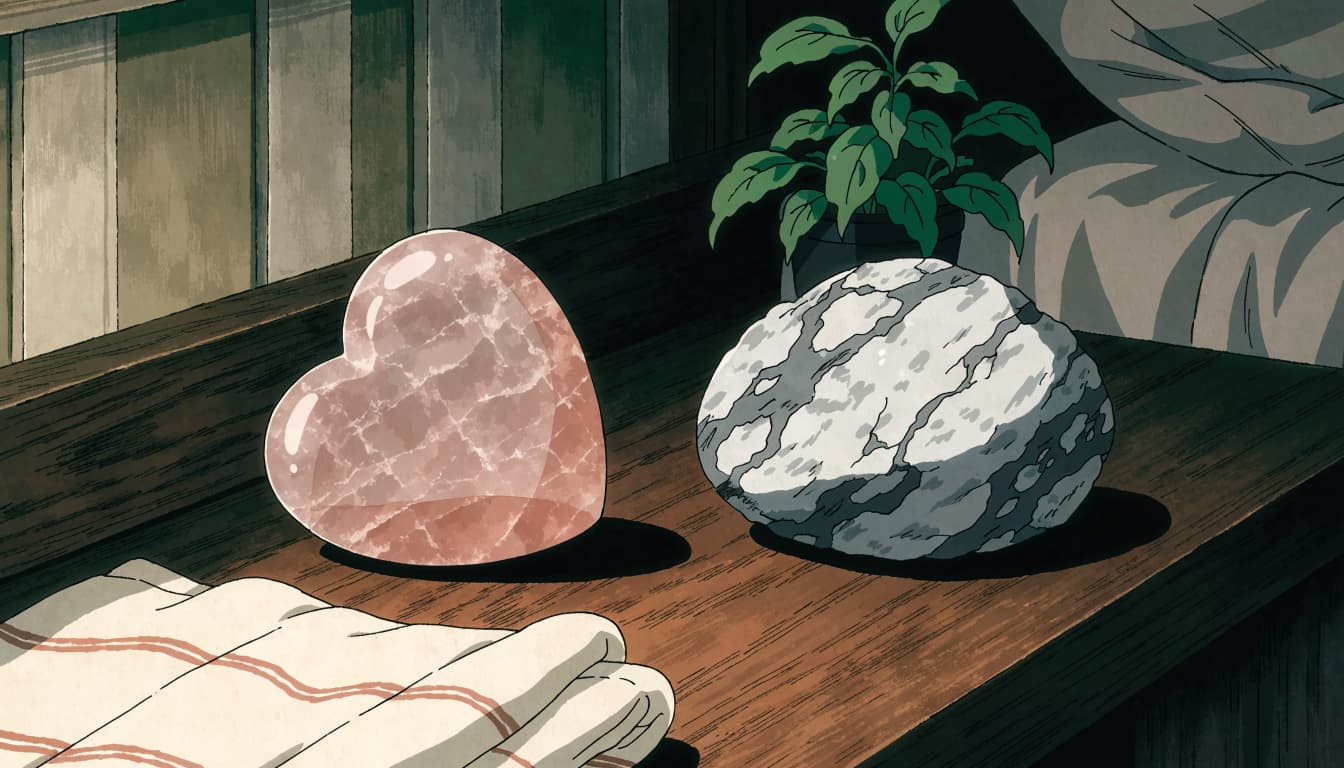
The 2025 controlled rose-quartz study found no anxiety benefit specific to the crystal. Believers reported improvements whether they received rose quartz or a visually matched placebo.
That result matters: feeling better after using a crystal doesn't establish that the crystal itself caused the improvement. Belief and expectation can affect your experience. The study also doesn't establish rose quartz as a treatment for depression, so claims about curing either condition go beyond its findings.
What crystals can and cannot do for your mental health
A comforting ritual and a treatment have different jobs. You might enjoy choosing a stone, arranging it beside your bed, or holding it during a pause. That enjoyment doesn't demonstrate a healing mechanism.
Crystals haven't been shown to change anxiety or depression through a specific healing effect. Personal comfort can still matter, but it shouldn't carry the responsibility of treating symptoms or deciding whether you need care.
Try a small, optional grounding ritual
You can use a smooth stone as a cue to notice your surroundings. Feel its temperature and texture, notice your feet against the floor, and name a few things you can see.
Take a slow, comfortable breath if that feels helpful. Avoid forcing deep breaths or continuing any exercise that makes you uncomfortable. You can focus on an ordinary object instead, such as a mug or the fabric of your sleeve.
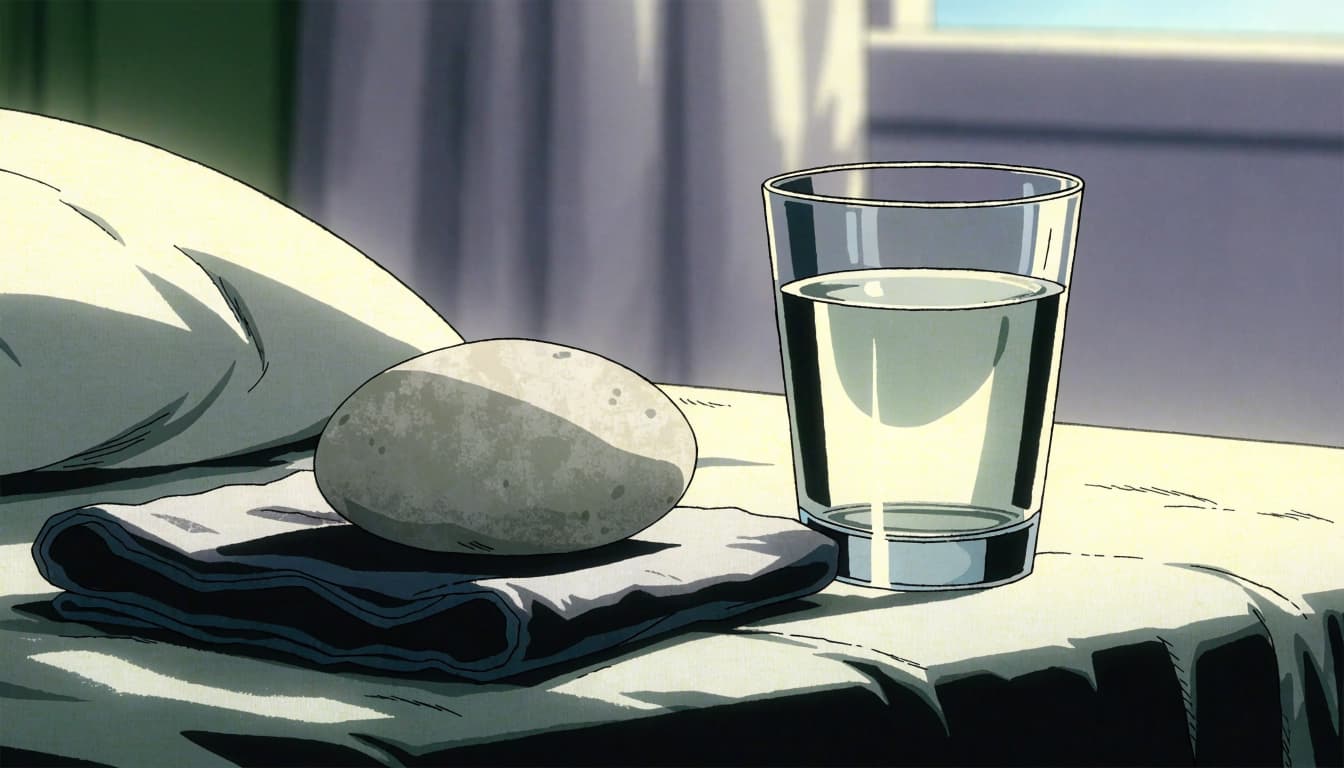
The stone is a reminder to pause. You don't need to assign it a power level, buy another one, or complete a ritual perfectly.
Feeling calmer after a ritual doesn't show that the mineral caused the change.
Skip unsafe products and healing pressure
Don't ingest crystals, crystal powders, or crystal-infused products sold with health promises. Avoid putting stones into drinking water; some materials can contain harmful substances or release unwanted contaminants.
Keep sharp or small stones away from young children and anyone who might swallow them. An object used for comfort still needs ordinary physical safety.
If holding a stone feels unpleasant, put it down. Discomfort doesn't mean you chose the wrong crystal, failed to cleanse it, or have defective energy. It means that activity isn't helping you right now.
You also don't need to purchase an increasingly expensive collection to deserve relief. If symptoms persist, the next step is support, rather than another checkout.
When anxiety or depression calls for more than a crystal
You don't need to hit a dramatic breaking point before asking for help. If anxiety interferes with school, work, sleep, relationships, or everyday tasks, contact a health professional. Persistent low mood or loss of interest deserves attention too.
Start with a provider you can access
A primary care provider can assess your concerns and help connect you with mental health care, including telehealth. You don't need to arrive with a diagnosis or an explanation worthy of a season finale.
Describe what you've noticed, how long it's been happening, and what it's making difficult. Notes about sleep, concentration, appetite, avoidance, or missed activities can help you explain your experience.
NIMH's anxiety disorder guidance distinguishes ordinary anxiety from symptoms that persist and interfere with life. An assessment helps you understand what's happening without relying on a social media checklist or a crystal seller's interpretation.
Discuss treatments with evidence behind them
Psychotherapy, including cognitive behavioral therapy (CBT), can help with anxiety and depression. Medication may also be appropriate. You and a qualified provider can discuss therapy, medication, or a combination based on your symptoms and preferences.
NIMH's depression guidance describes established treatment options. Your plan should address your actual needs, rather than assume that one approach fits everyone.
Ask about expected benefits, possible side effects, costs, and follow-up. If access is difficult, ask about virtual appointments or lower-cost services.
This short NIMH video offers an introduction to anxiety disorders:
Get immediate support when you need it
In the United States, call or text 988 for suicidal crisis or emotional distress. You can contact the service even if you're unsure how to describe what you're feeling.
For an immediate life-threatening emergency, call 911 or go to the nearest emergency room. Don't wait for a grounding ritual to work.
NIMH's mental health help resources explain crisis support and ways to find care. If possible, tell someone you trust what is happening and ask them to help you connect with support.
Streetwear & Casual Styling
Your outfit can express your personality without making a health promise. Build a casual look around Cyber-Brutalist Anime Graphic Tees, then let the bold artwork carry the visual noise.
Pair your tee with relaxed cargos for an easy streetwear silhouette. Dark-wash denim gives busy graphics a cleaner backdrop. Add an open overshirt or zip hoodie when you want layers, and keep accessories simple.

The cyber-brutalist T-shirt design guide breaks down the graphic style. Glitch motifs, anime artwork, and tech-fluent humor give you plenty to work with.
An anxiety-operating-system joke can be personal expression. Clothing belongs in your wardrobe, and mental health treatment belongs with qualified care.
Frequently Asked Questions
Can you use crystals alongside therapy or medication?
You can keep a crystal as a personal comfort object alongside your care. It shouldn't replace, delay, or change your treatment plan. Bring questions about medication or therapy to your provider instead of adjusting care based on crystal-healing advice.
How do you choose a crystal for emotional comfort?
Choose by appearance, texture, personal meaning, and what you can comfortably afford. You don't need a seller to identify your emotional "match." Avoid purchases built around promises to cure symptoms or claims that expensive stones work better.
Do you need to cleanse a crystal for it to work?
Cleansing rituals are personal or spiritual practices, not medically required steps. No cleansing method makes a crystal an evidence-based treatment. If you enjoy a ritual, keep it optional and safe rather than treating it as a requirement for feeling better.
What should you do if your symptoms are getting worse?
Contact a health professional promptly, and tell someone you trust if you need help arranging care. In the US, call or text 988 for suicidal crisis or emotional distress. Call 911 for an immediate life-threatening emergency.
Keep the comfort, get the support
No crystal is proven to treat anxiety or depression, and you deserve better than a product listing pretending otherwise. A meaningful stone can still be a small reminder to pause, notice your surroundings, or treat yourself with more care.
If symptoms affect your daily life, seek evidence-based support rather than waiting for a crystal to start working. You can enjoy personal rituals while asking for help, without defending either choice.
Keep the object if you like it, put it aside if you don't, and remember that needing professional care says nothing negative about you. Your comfort object doesn't have to carry the whole load.