

Backpacking Fishing: Pack a Kit for Your Route
TrendReactTees.STORE TeamFor optional casual wear, our Nature Is My Wifi Tee and Nature Is My Therapist Tee bring the outdoor humor. Graphic tees don't replace weather-ready layers.
You can add fishing to a hike with one compact setup and a small tackle container. Good backpacking fishing gear fits your route, target fish, and whether you'll reach lakes, streams, or both.
Start with your actual water, then decide which gear earns pack space.
This post may contain affiliate links. If you make a purchase through these links, I may earn a small commission at no extra cost to you.
Key Takeaways
- Choose your fishing setup around the route, likely species, and water you'll reach, rather than the smallest advertised rod.
- Compare complete packed kits, including protection and accessories; rod weight alone leaves out part of your load.
- Plan around location-specific licenses, seasons, access, species limits, and tackle restrictions before departure.
- Protect streambanks, pack out fishing waste, handle fish carefully, and save graphic tees for dry, off-water downtime.
Backpacking Fishing Starts With Your Route and Target Fish
Backpacking fishing means carrying a compact fishing setup suited to water along your hiking route. The useful setup is the one you'll use without sacrificing essential hiking equipment.
Start with trip length and realistic fishing time. A short overnight beside a lake offers different opportunities than a mileage-heavy route with brief creek crossings. Your imaginary three-hour fishing session doesn't count if camp setup leaves you twelve minutes.
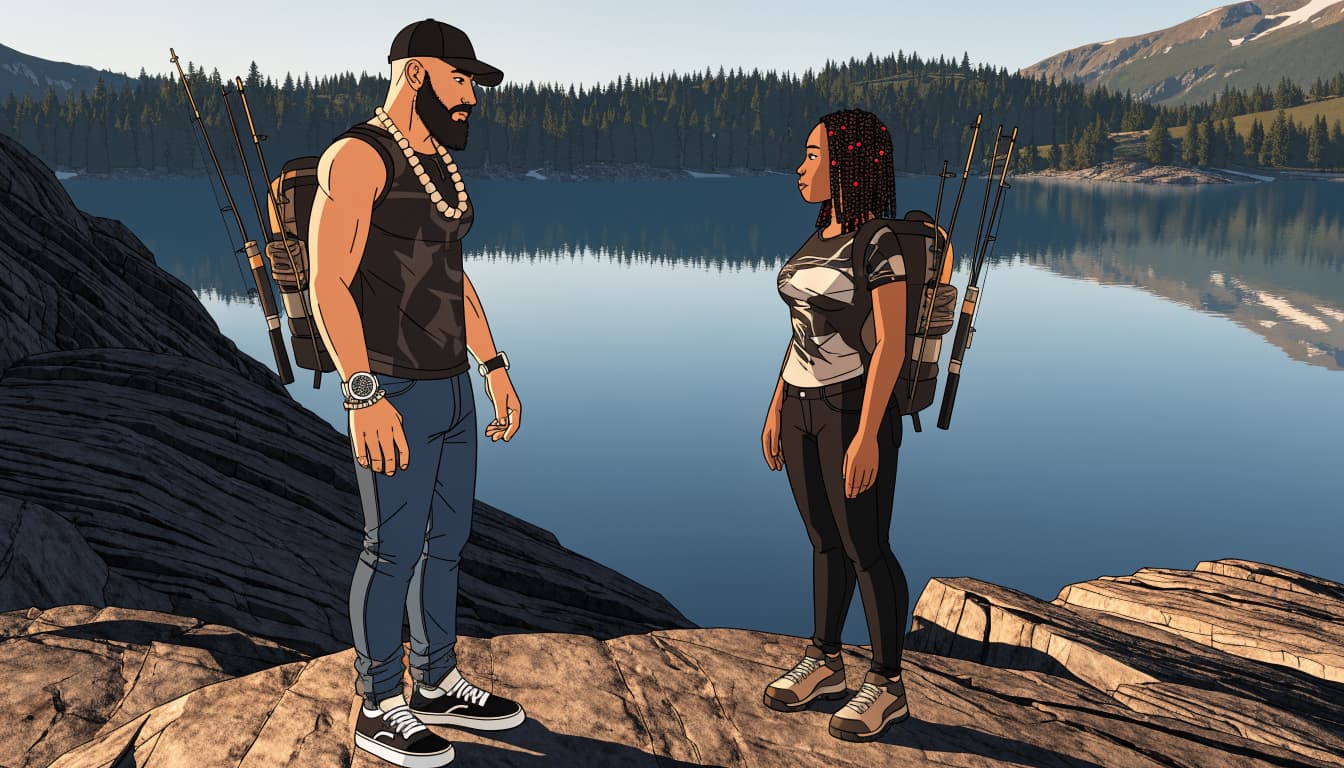
Identify the likely fish, shoreline access, and room available for casting. Brushy streams favor manageable reach and compact equipment; open lakes can make casting distance more useful. Mixed-water trips reward versatility.
A trail beside water doesn't automatically establish fishing access. BLM's hunting and fishing guidance distinguishes public-land recreation opportunities from state wildlife requirements.
Decide whether fishing adds enough enjoyment to justify its weight and space. Jon Conti's compact-setup walkthrough gives you a visual reference for that decision.
Choose a Packable Fishing Setup That Fits Your Trip
Compact spinning setups offer flexibility across lakes and streams. Daiwa's Mini System Minispin is one named comparison point, not an automatic winner. Multi-piece rods separate into sections; telescoping rods collapse into themselves.
Fly tackle suits you if you already enjoy that style or want to learn. Tenkara removes the reel for simpler small-stream fishing. Handlines reduce bulk further, but limit casting reach and control. Lower weight, casting distance, ease of use, and versatility rarely peak together.
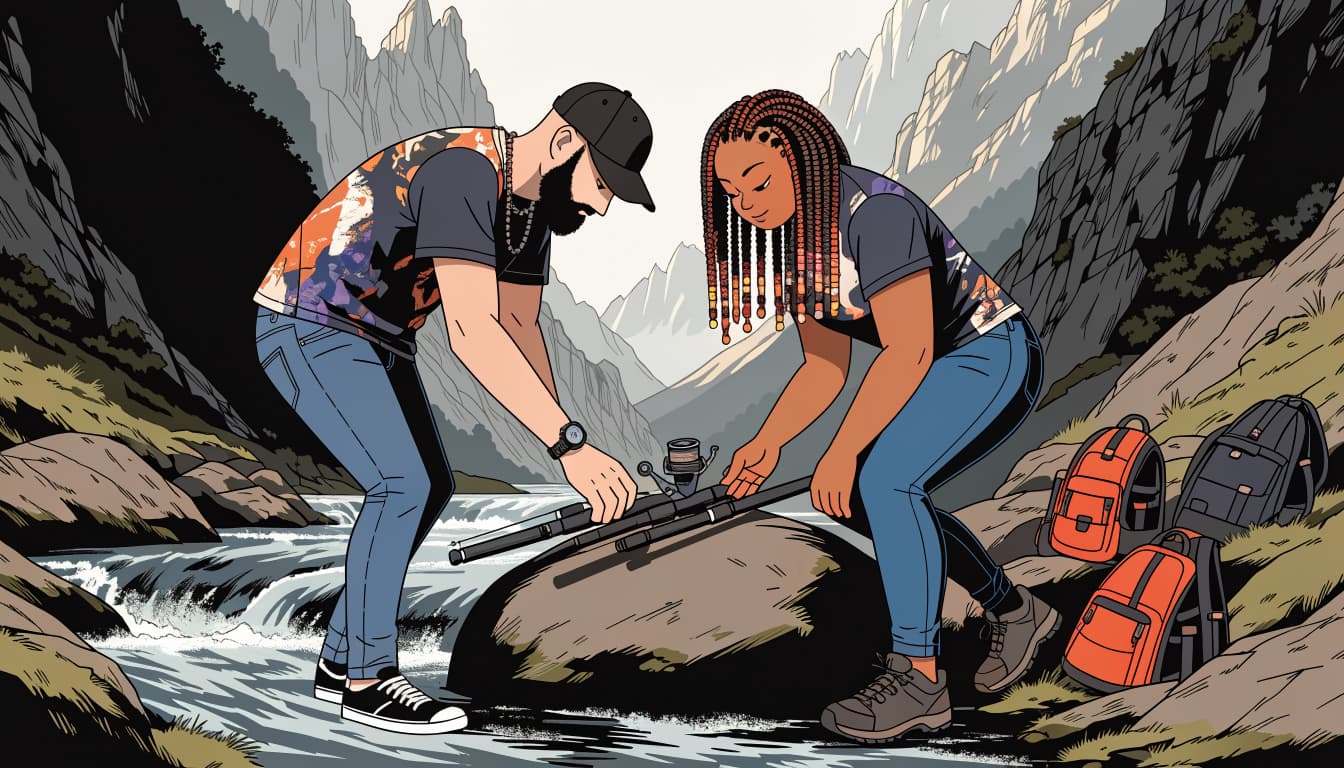
Match rod length, line weight, and action to the water
Fly-rod weight identifies a line class, not a fish's weight. Colorado Parks and Wildlife names a 9-foot, 5-weight fly rod as general-purpose equipment for Colorado. That's a regional reference, not a universal backpacking prescription.
Keep assembled length, action, and section count separate. Length affects reach; action describes bending behavior; sections affect packing. Tenkara Rod Co.'s Backpackr lists a 2.8-ounce rod and a 13.5-inch packed length, before surrounding accessories enter the equation.
Compare the full kit, not just the rod
Our fly fishing package guide separates tackle bundles from clothing. Compare listed rod, reel, line, backing, leader, case, tackle, and spare-tip contents.
"Outfit," "combo," and "complete" don't promise identical components. Use model-specific maker specifications for packed dimensions and weight, then compare the whole kit's price. A bargain rod can still leave a shopping list.
Pack a Small Tackle Kit and Protect Your Rod
Build your backpacking fishing kit around the planned water. Bring suitable line, leader or tippet, a small selection of permitted flies or lures, and one compact container. Variety needs a purpose beyond "the tackle aisle looked persuasive."
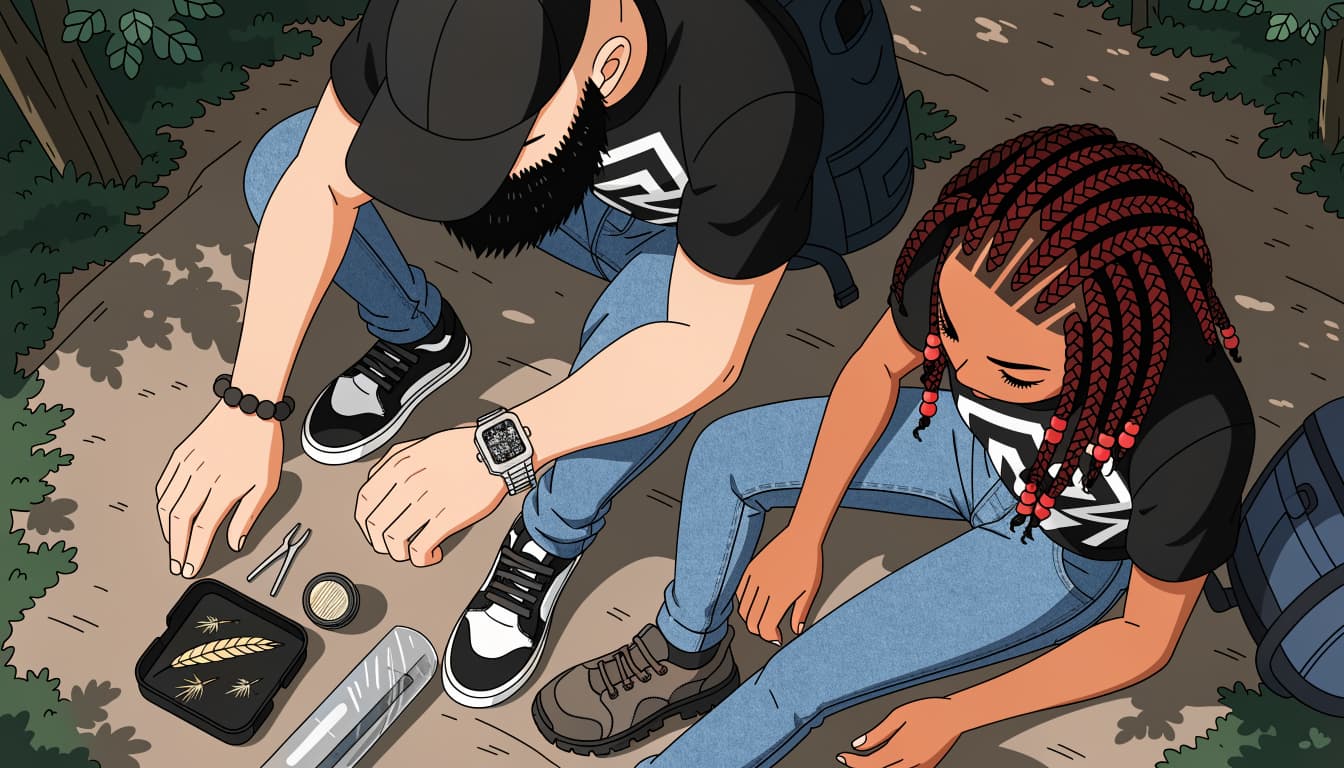
Carry tools for the fishing you'll do
Nippers handle line trimming; forceps can help with hook removal. A net, floatant, indicators, or weights belong only when your method and conditions justify them.
Avoid duplicating accessories already included with your setup. Keep hooks contained and tools accessible, rather than loose among snacks and spare socks. Nobody needs a hook-removal subplot inside their backpack.
Give fragile equipment a protected place
Secure rod sections along a straight, protected part of your pack, such as beside the back panel or tent poles. Use appropriate carrying protection and keep tips away from snagging branches or compression points.
Store the reel inside your pack when you're hiking. Loose, externally mounted equipment takes unnecessary knocks.
Food, water treatment, insulation, and rain gear get space first. Add fishing equipment afterward, then assess the packed load. Your emergency layer shouldn't lose its slot to seven nearly identical lures.
Plan Your License, Route, and Fishing Rules Before You Go
There's no single fishing permission slip covering every US backpacking route. State requirements and waterbody-specific rules determine what you can do. The U.S. Fish & Wildlife Service explains that its fishing sites follow state and federal regulations, with site-specific seasons and limits.
Build your pre-trip plan around these details:
- Identify the exact waterbody, legal access, trip dates, and required state license or stamps.
- Record open seasons, species rules, size limits, bag limits, and bait or tackle restrictions.
- Review weather, water conditions, closures, and land-manager notices, then carry the required documents somewhere dry and accessible.
Location matters even when buying a license. Colorado's fishing license information gives annual licenses a March 1 start and March 31 expiration the following year, a 13-month period. That schedule doesn't apply nationwide.
A general article can't replace the regulations governing your destination. Save the relevant rules offline before losing service, and retain any required physical documents. A loading spinner has terrible legal credentials.
Leave enough daylight for the return hike. Access and weather belong in the fishing plan, not in the "future you can deal with it" folder.
Fish Lightly and Handle Your Catch With Care
A compact setup doesn't automatically mean a small impact. Your route to the water, discarded line, and fish handling matter more than how minimalist your tackle box looks.
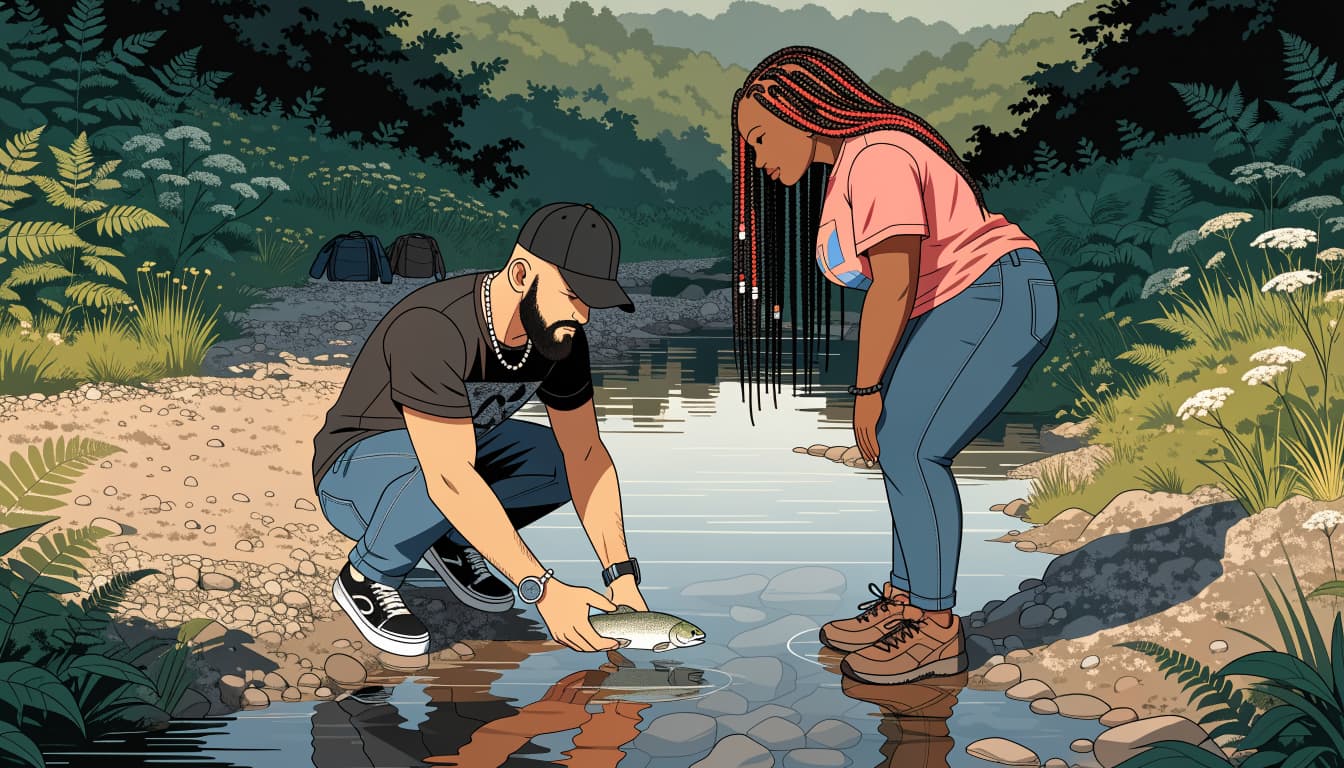
Protect the bank and pack out fishing waste
Use low banks or gravel bars for access without trampling streamside plants. Pack out fishing line, bait containers, and leftover bait. Follow advice to avoid lead sinkers and jigs where applicable.
BLM's low-impact fishing guidance recommends camping at least 200 feet from lakes and streams. Treat that as BLM guidance, not a universal camping regulation. Fish-remains disposal requirements also vary by land manager.
Keep release handling brief and in the water
Use rod and line strong enough for the fish you're targeting. Avoid prolonged fights that exhaust fish, keep them in the water during handling, and stay clear of the gills.
Don't suspend a fish by the fishing line. Have your removal tool ready so releasing a catch doesn't become an equipment search.
If you keep fish, local harvest rules, fish-remains disposal, bear-country precautions, and authoritative food-safety guidance all apply. Use FDA seafood-safety guidance for handling and cooking. Legal possession alone doesn't make your storage or cooking plan safe.
Streetwear & Casual Styling
Choose quick-drying, weather-appropriate layers and secure footwear for hiking. Our river clothing guidance keeps water-ready clothing separate from your dry-land outfit.
Once you're dry at camp or heading home, your graphic tee can take over. Our Leave No Trace. I'm Trying. Tee and Pack It Out, Champ Tee are casual options, not technical fishing gear.
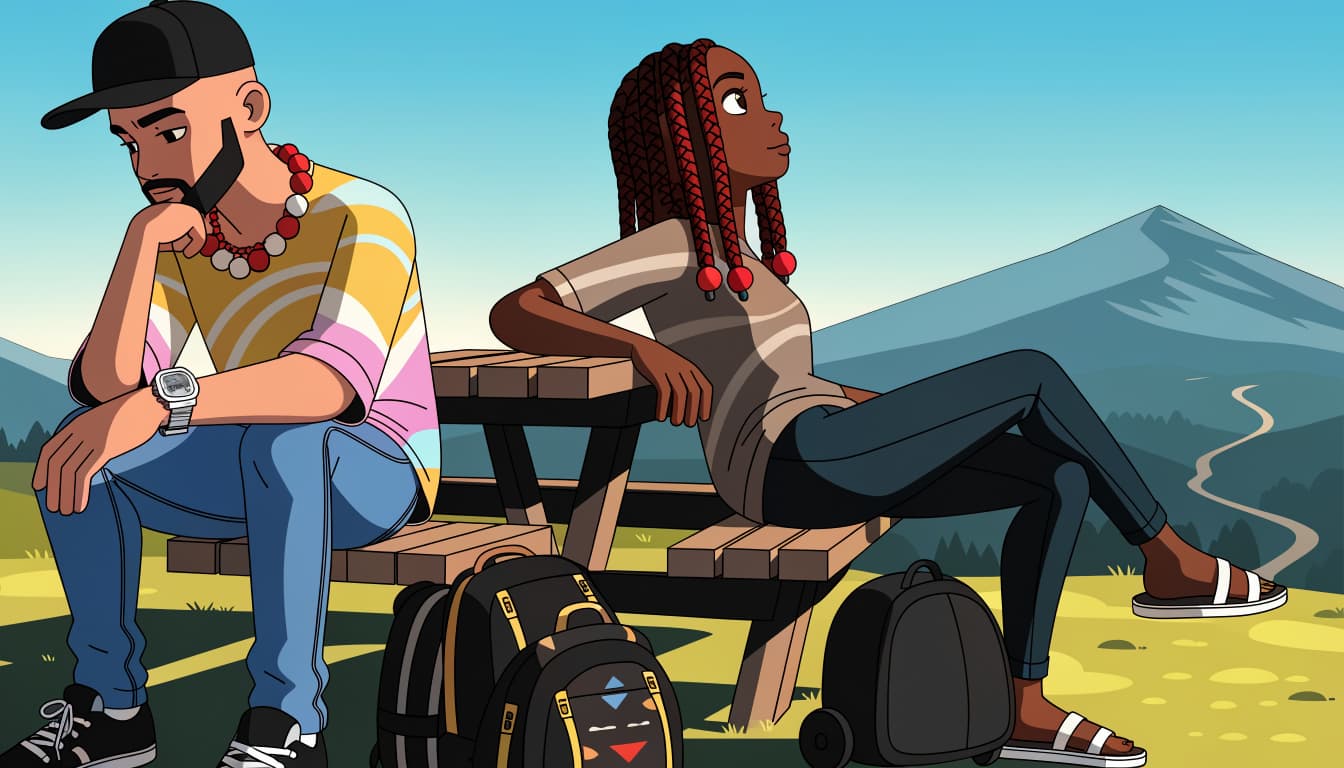
Build around our Cyber-Brutalist Anime Graphic Tees with simple pants and a light layer. Dark denim or plain cargos keep bold artwork in focus. Leave an overshirt open when temperatures allow.
Keep that outfit dry until downtime. Your post-trip look deserves better than arriving as wet laundry with lore.
Frequently Asked Questions
Can you rely on caught fish for dinner?
Bring enough food without assuming you'll catch anything. Fish may be unavailable, fishing time may disappear, or rules may prevent harvest. Treat a legal catch as optional, never your only dinner plan.
Do you need waders for a backpacking fishing trip?
You don't automatically need waders. Bank fishing can avoid their added bulk when shoreline access allows it. Don't enter cold or moving water simply because you left specialized equipment behind.
Should you practice with the setup before your hike?
Yes, assemble the rod, rig the line, and practice casting somewhere suitable before departure. You'll discover missing components and unfamiliar steps while fixing them is easy. A remote lake is an expensive place to learn your line isn't attached correctly.
Can two hikers share one fishing setup?
You can take turns using one setup when your plans and local rules allow it. Each person fishing still needs any individually required license. Sharing reduces carried equipment, but it also limits how much time each person spends fishing.
Build Your Kit Around the Water You'll Reach
A useful backpacking fishing setup matches your route, target fish, and available time. Choose compact tackle, understand the regulations before departure, and carry accessories you'll use.
Start simple, then adjust after experience shows what earns its place. Keep your rod protected, your essential hiking gear prioritized, and your off-water clothes dry.
Your pack doesn't need every possible fishing option. It needs a workable setup for the trip you're taking.