

Hunting Gear for Girls: Fit, Safety, and Field Basics
TrendReactTees.STORE TeamGood hunting gear for girls should fit comfortably, suit the season and terrain, and let you move safely. Girls and women don't all have the same shape or needs, but the safety standards don't change with the size label. Your clothing and equipment depend on the hunt, local rules, and, for young hunters, age-appropriate adult supervision.
For the drive home or a day off, our Nature Is My Wifi tee and Nature Is My Therapist tee bring the outdoors into your casual rotation. Graphic tees are not protective hunting gear. Field clothing has a different job.
This post may contain affiliate links. If you make a purchase through these links, I may earn a small commission at no extra cost to you.
Key Takeaways
- Choose clothing that fits over planned layers and lets you move freely.
- Match boots, socks, and outerwear to the actual terrain and forecast.
- Pack navigation, water, first aid, light, and a way to signal for help.
- Learn firearm safety, use hearing and eye protection, and supervise young hunters.
- Check current state rules for required visibility clothing before heading out.
Hunting Gear for Girls Starts With a Comfortable, Useful Fit
Good fit is practical. You need to walk, sit, bend, raise your arms, and handle your equipment without fabric pulling tight or catching. Women's and girls' sizes can vary between brands, so don't trust a size number to do the thinking for you. Compare garment measurements with your own, then try the clothes with the layers you plan to wear.
Pay attention to shoulder room, sleeve length, waist comfort, and whether an outer layer closes easily over insulation. A jacket that works over a T-shirt may bind over a fleece. That's useful information to discover in your bedroom, not halfway along a trail.
For more outdoor clothing context, our guide to fly fishing clothing and gear also separates practical apparel from activity-specific equipment.
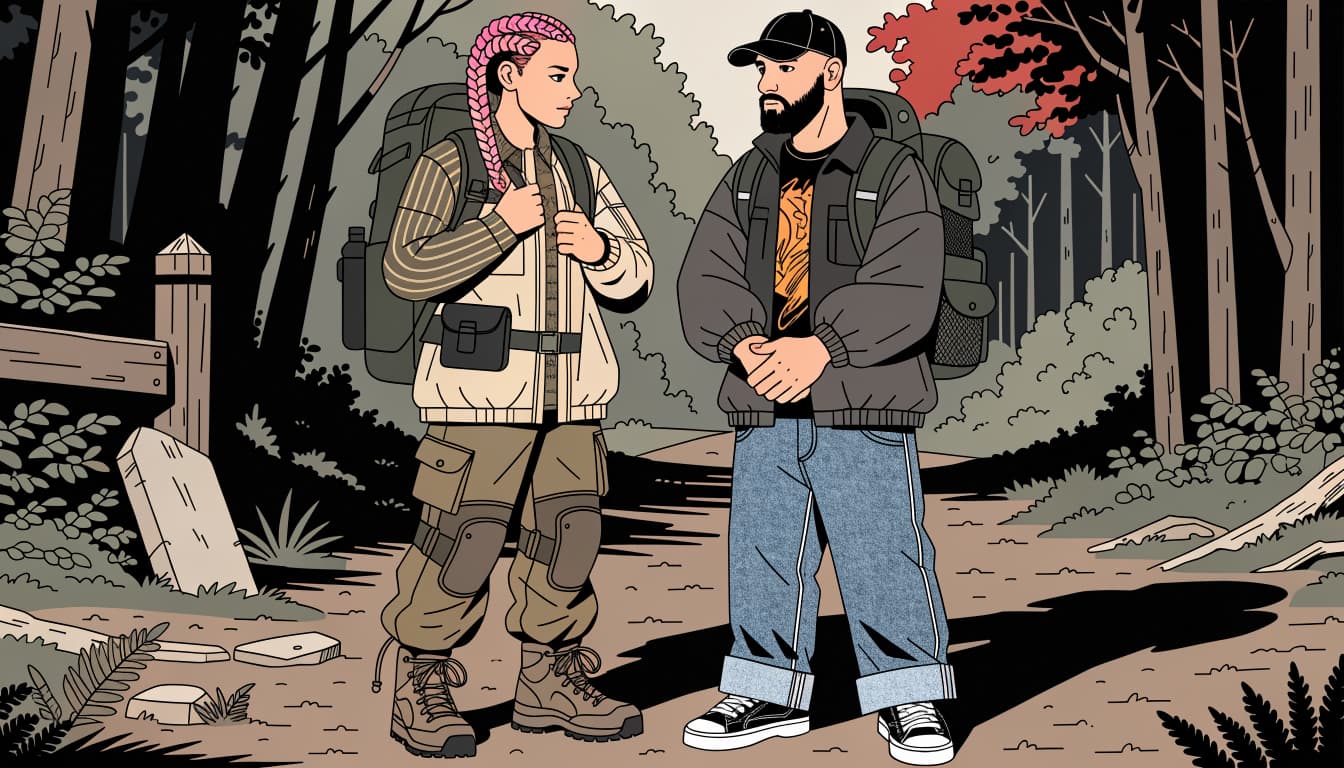
Choose Layers That Work Together
A useful clothing system has three jobs: move moisture away from your skin, hold warmth, and protect you from wind or rain. Start with a moisture-moving base layer, add an insulating middle layer, then choose an outer layer for the forecast. You can open or remove layers as conditions change.
Wool and synthetic fabrics can help retain warmth in wet or cold conditions. Cotton holds moisture and can feel chilly when it's damp, so it's a poor choice for a cold-weather base layer. Choose for the expected weather and activity, not a calendar date. Leave enough room to move and handle equipment safely, without loose fabric that gets in the way.
Check Boots, Socks, and Fit Before the Hunt
Pick sturdy footwear suited to the ground and weather you expect. Your socks should work with your boots, not crowd your toes or slide down as you walk. Break in new boots before the trip. A first hunt is a bad time to introduce your heels to a surprise friction-based side quest.
Walk around in the complete outfit, including your planned socks and layers. Notice heel slip, pressure points, fabric bunching, or restricted steps. If anything feels wrong at home, adjust the combination before heading out.
Build a Hunting Gear Checklist Beyond Your Clothes
A day pack should support the hunt, not become a portable storage unit for every item you've ever considered buying. Start with the essentials, then add equipment based on the location, hunt length, weather, and your experience. A short trip in mild conditions won't need the same setup as a long outing in cold rain.
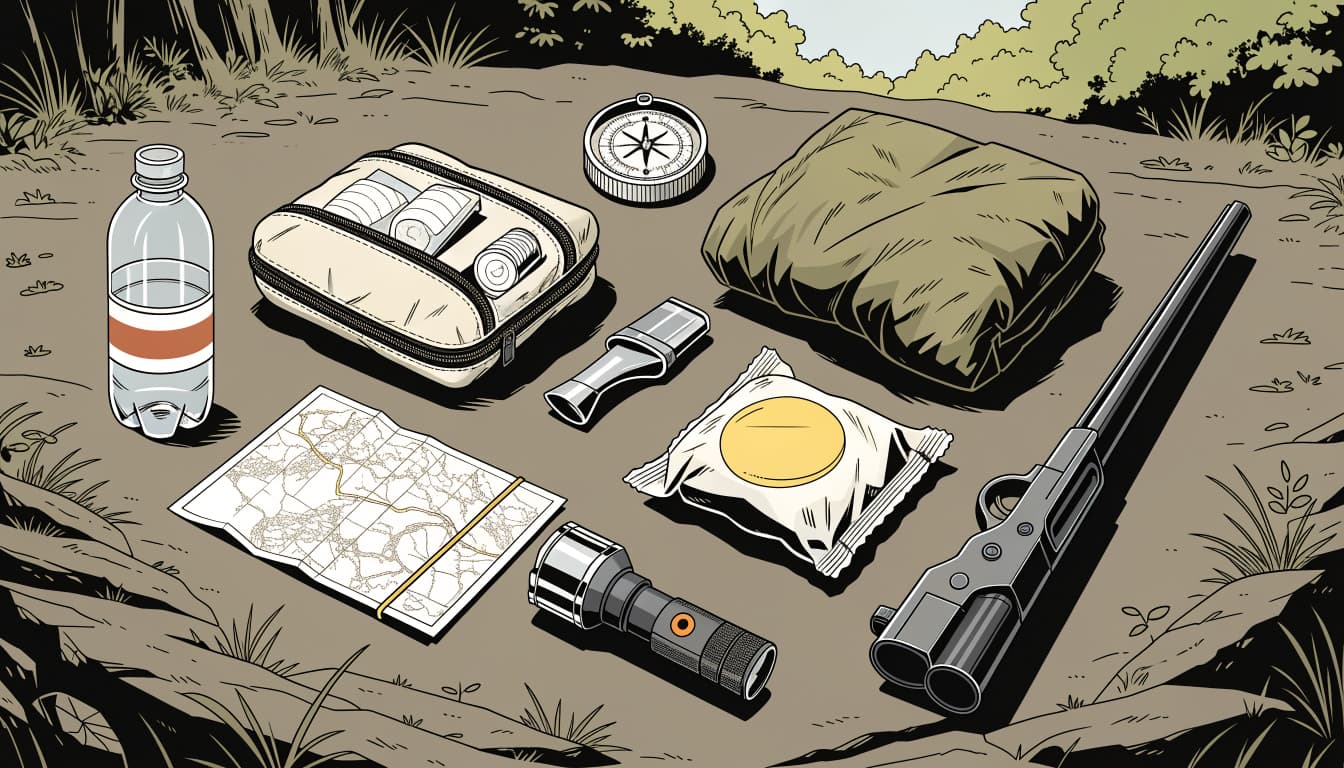
Pack for Navigation, Weather, and Small Emergencies
Carry water, food, a basic first-aid kit, a flashlight or headlamp, extra clothing, and a way to signal for help. Bring a map and compass or a GPS device for navigation. A phone can be useful, but don't make it your only way to find your route. A knife may also be useful where appropriate.
Keep essentials easy to reach instead of burying them under spare layers and snacks. Before you go, tell someone your trip plan and when you expect to return. Hunter-ed's essential hunting kit list and beginner hunting safety guide cover useful kit categories, including navigation and first aid.
Add Protective Gear for Firearm Hunting
When shooting, use hearing protection and protective eyewear. Hunter-ed's hunting equipment list includes both, along with a gun case for transport. Transport firearms safely in a case, and follow the firearm maker's instructions.
Keep the basic handling rules front and center: treat every firearm as loaded, and keep it pointed in a safe direction. Young hunters need formal hunter education and adult supervision. A packing list can help you prepare, but it can't replace training or safe handling practice.
Stay Visible and Follow the Hunting Rules Where You Go
Visibility is a safety habit, while blaze-orange requirements are legal rules that depend on where and how you hunt. Requirements can vary by state, season, species, hunting method, and location. That means a garment that meets one state's rule may not meet another's.
Before heading out, read the current rules from the relevant state wildlife agency. For example, Kentucky's hunting regulations and Virginia's hunting regulations describe requirements for their jurisdictions. Don't assume that one color, accessory, or amount of fabric applies everywhere.
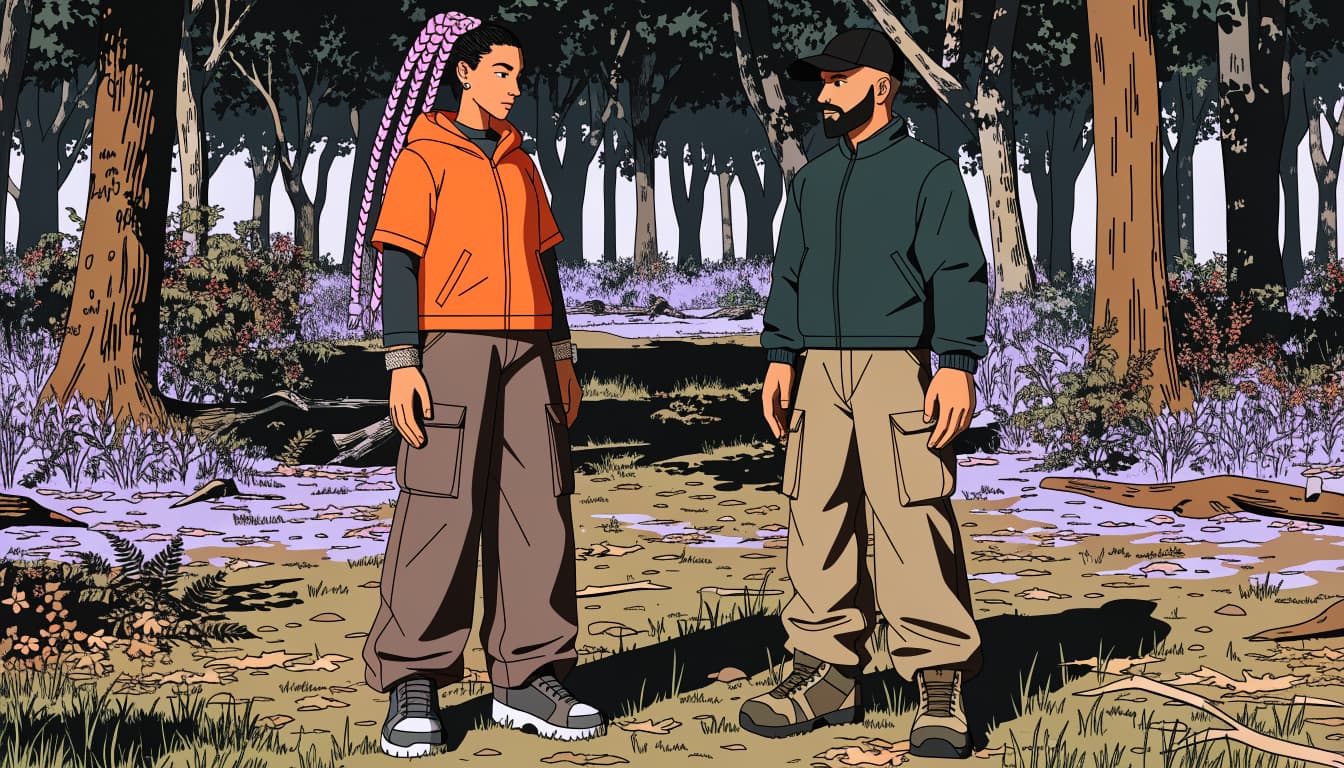
Make Required Blaze Orange Easy to See
A rule may specify how much orange you need or where it must appear. Camouflage orange or a small accessory may not count under every regulation. Check whether the rule applies to companions or youth seasons, too, and make sure required clothing stays visible over your actual layers.
The point is to know the exact requirement for your hunt and dress accordingly. A bright hat can't make up for an outer garment requirement if the rule calls for something else.
Keep Safety Checks Part of Getting Dressed
Before leaving, check that your footwear is secure, your vision is clear, and your hearing protection is ready if you'll shoot. Make sure clothing won't snag or restrict movement, and handle equipment safely. Follow local regulations and the instructions for your firearm or other equipment.
A quick check matters because layers can shift. Required visibility should remain clear after you put on your jacket, pack, and other equipment.
Choose Hunting Gear for the Season, Terrain, and Your Budget
You don't need to buy a complete gear collection before your first outing. Start with the hunt you're actually taking. Cold, wet, warm, and brushy conditions all call for different choices, and equipment for a short outing may not suit a long day outdoors.
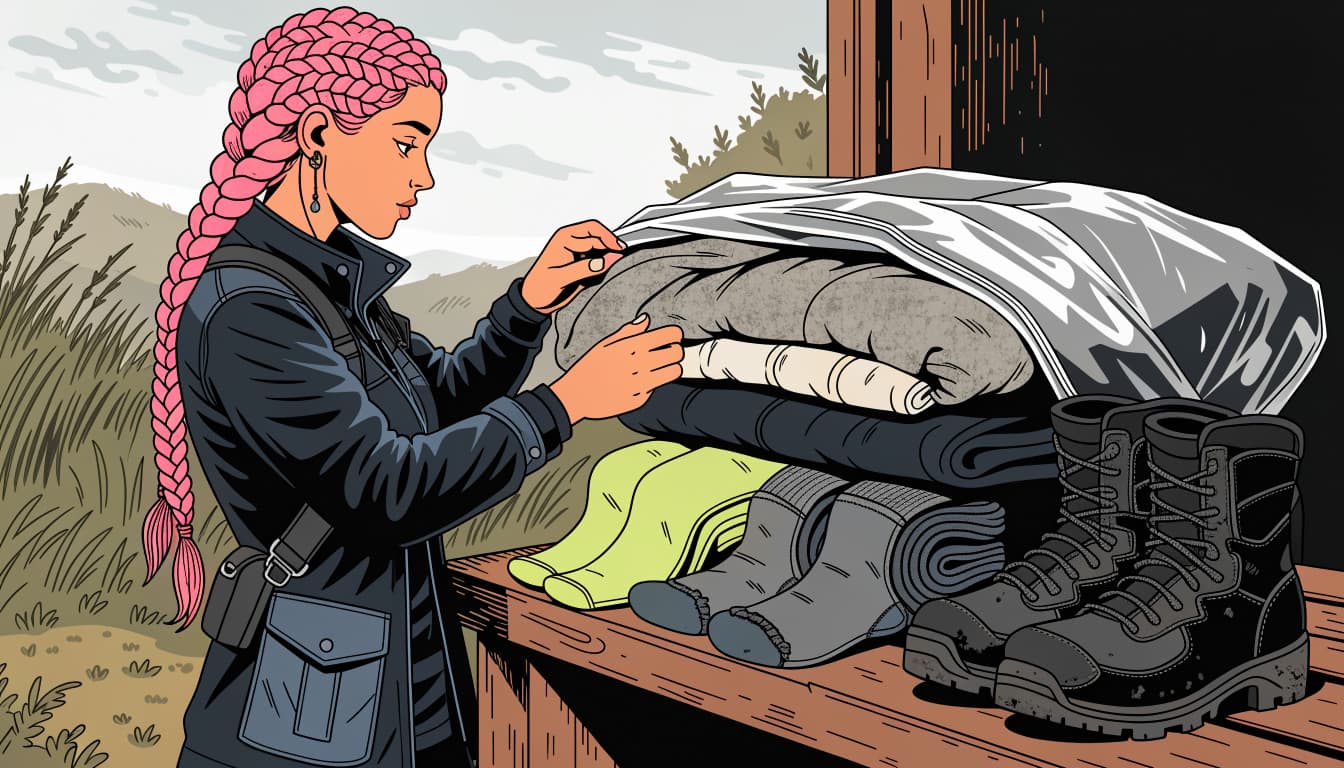
Start With the Gear You Need for This Trip
Write down the season, expected weather, terrain, and length of the hunt. Then look at what you already own and identify the gaps. Borrowing or renting non-personal gear can make sense where practical, but well-fitting clothing and appropriate safety equipment deserve priority.
When shopping online, compare garment measurements and check the return policy before ordering. Spend first where comfort, visibility, or safety needs are still unmet. The goal is a reliable kit for this trip, not a shopping cart with a backstory.
Test the Full Outfit Before You Leave
Put on every planned layer and move through the motions your day requires. Walk, sit, bend, reach, and practice safe equipment handling. Check that your boots work with your socks, outerwear fits over insulation, and required visibility isn't covered by another layer.
Make adjustments at home while you still have options. Discovering that a sleeve catches or boots rub is a solvable problem before departure. In the field, it's an annoying subplot with very limited editing tools.
Streetwear & Casual Styling
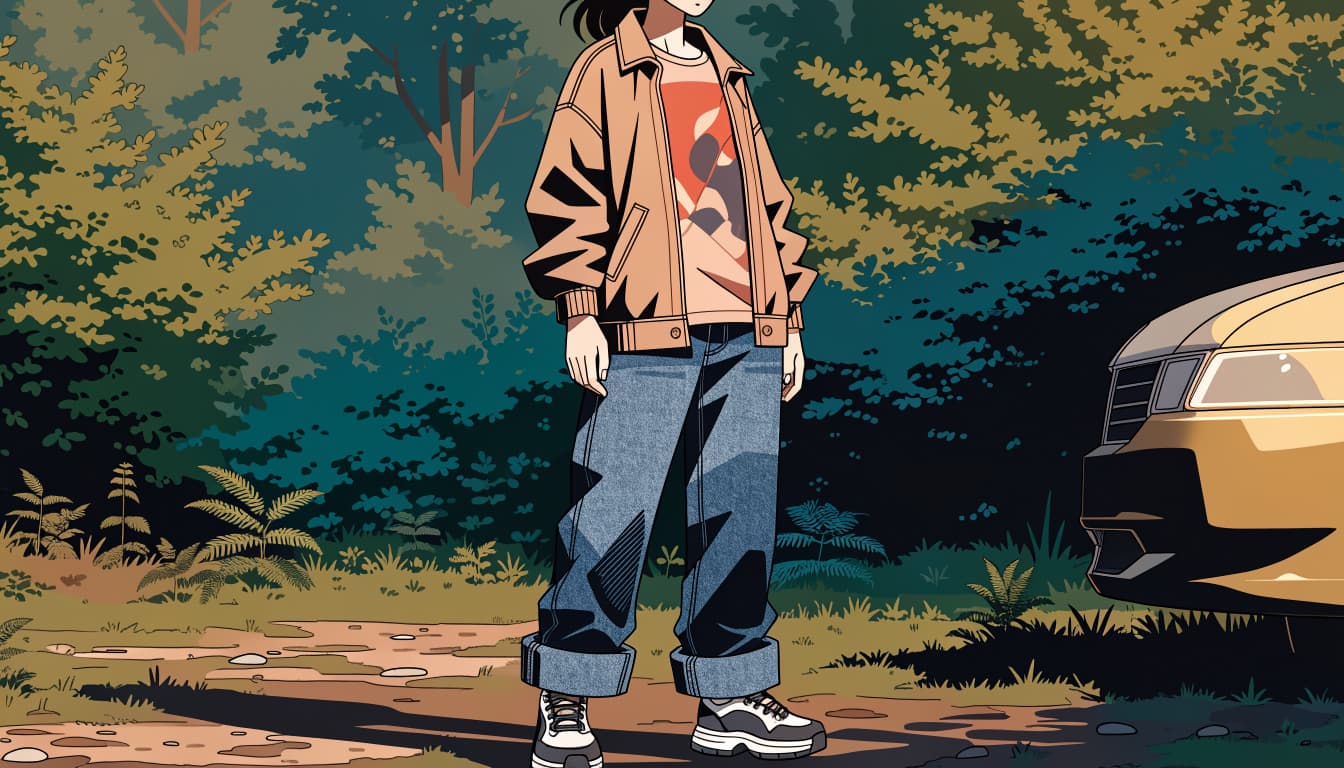
Off the hunt, your outfit can switch from field-ready to casual without pretending a graphic tee is safety gear. Build around a Cyber-Brutalist Anime Graphic Tee, durable everyday jeans, a warm layer, and comfortable shoes for the drive home or other off-hunt plans. Keep the jacket open if the weather allows and you want the graphic visible. If it gets cold or wet, the forecast gets priority over the outfit reveal.
Our paddleboarding outfit guide has more ideas for casual graphic-tee layers. The Leave No Trace tee and Pack It Out tee fit an outdoorsy off-duty rotation. Casual graphic tees are not a substitute for required hunting clothing or protective gear.
Reef & Ridge's video, "Women's Hunting Clothes That Actually FIT | Azyre Gear Review," discusses women's apparel fit, comfort, and flexibility.
Frequently Asked Questions
Do girls need different hunting safety standards?
No. Fit and sizing can differ across brands and individual bodies, but safe handling, visibility, and protective equipment matter for every hunter. Young hunters also need adult supervision and formal hunter education before firearm use.
Can camouflage orange count as required blaze orange?
Don't assume it does. Rules may specify color, placement, or how much of a garment must be visible. The current regulation for your hunt determines what counts.
Is a phone enough for navigation?
A phone can help, but it shouldn't be your only navigation plan. Carry a map and compass or a GPS device, and know how to use your chosen tools before you leave.
What should you put in a basic first-aid kit?
Start with practical supplies for small injuries, such as bandages, antiseptic wipes, tweezers, and blister pads. Keep the kit accessible, and tailor its contents to your trip and personal needs.
Make Your Kit Fit the Hunt
The best setup is the one that fits you, the weather, the terrain, and the rules where you'll hunt. Comfort matters because you need to move freely; safety matters because the field is not the place for guesswork.
Test the full kit before leaving, learn safe equipment handling, and check current regulations. When your clothing works with your gear and your plan, you can focus on the hunt instead of fighting a boot, a zipper, or a surprise cold patch.